

What is Foam Plastic Pneumatic Conveying? Classification and Applications of Pneumatic Conveying
For industrial operations involving the handling of foam plastic materials, understanding the principles and applications of pneumatic conveying systems is crucial. This article explores the concept of foam plastic pneumatic conveying, categorizes the different types of pneumatic conveying systems, and highlights their practical applications in various industries.
Introduction to Foam Plastic Pneumatic Conveying
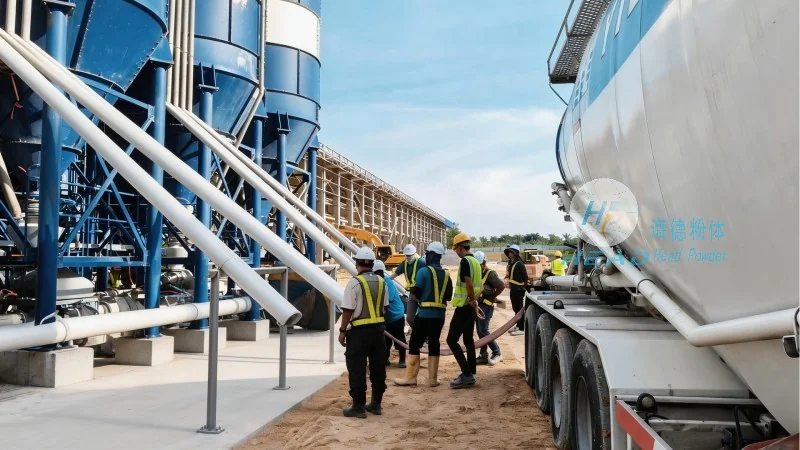
Pneumatic conveying, also known as air conveying, is a method of transporting bulk materials through a pipeline using a stream of pressurized or vacuum air. In the context of foam plastic materials, this technology is particularly effective due to the lightweight and often dusty nature of these materials. Foam plastics, such as polystyrene, polyethylene, and polypropylene foams, are commonly used in packaging, insulation, and automotive parts, among other applications. The challenge in handling these materials lies in their low density and tendency to generate dust, which can lead to clogging and material loss if not managed properly. Pneumatic conveying offers a solution by using air to move the material efficiently and safely, minimizing the risk of contamination and damage.
Key Players in the Industry: Shandong HeadPowder Engineering Co., Ltd.
At the forefront of engineering solutions for material handling, Shandong HeadPowder Engineering Co., Ltd. specializes in the design, manufacturing, and installation of pneumatic conveying systems tailored to the unique needs of foam plastic processing. With a strong presence in China, particularly in Shandong, the company leverages decades of experience to deliver high-quality equipment that ensures reliable and efficient material transport. HeadPowder's expertise lies in understanding the specific challenges associated with foam plastics, such as their low bulk density and the need for gentle handling to prevent degradation. The company's commitment to innovation and customer satisfaction has made it a trusted partner for businesses seeking to optimize their foam plastic handling processes.
Classification of Pneumatic Conveying Systems
Pneumatic conveying systems are broadly classified into two main categories: pressure and vacuum systems. Each type has distinct characteristics and is suitable for different operational requirements.
Pressure Pneumatic Conveying
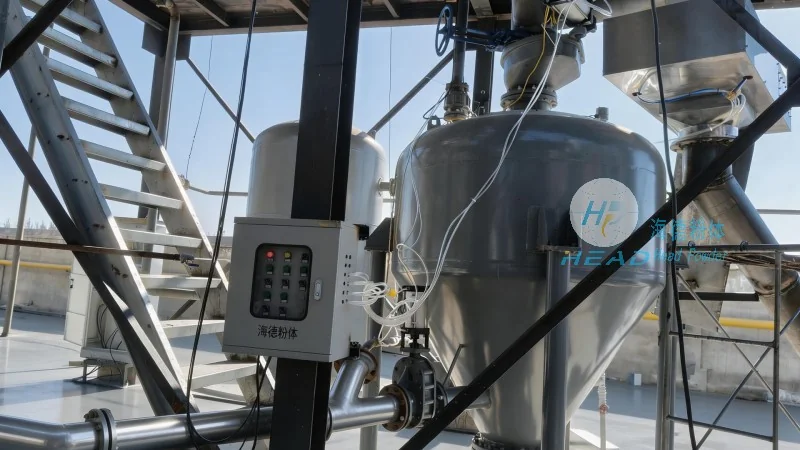
Pressure systems utilize compressed air to push the material through the pipeline. These systems are typically used for short to medium distances and are effective for transporting materials from a single source to a single destination. The primary advantage of pressure systems is their ability to handle a wide range of materials, including those with high moisture content or abrasive properties. However, they require a reliable compressed air supply and may experience pressure drops over long distances, which can affect the conveying capacity.
Vacuum Pneumatic Conveying
Vacuum systems, on the other hand, use a vacuum to draw the material into the pipeline. This method is ideal for applications where the material needs to be transported from multiple sources or over longer distances. Vacuum systems are particularly useful for handling fine powders and dust, as they can create a consistent suction that prevents material loss. The main drawback of vacuum systems is their lower conveying capacity compared to pressure systems, as the vacuum pressure is limited by the system's design and the distance of the material source.
Combined Pressure-Vacuum Systems
Some applications may require a combination of both pressure and vacuum capabilities. These systems are designed to handle materials over longer distances or from multiple sources, offering flexibility in material transport. By integrating both pressure and vacuum components, combined systems can optimize the conveying process, ensuring efficient movement of foam plastic materials while minimizing energy consumption.
Applications of Pneumatic Conveying in Foam Plastic Processing
The versatility of pneumatic conveying makes it suitable for a wide range of applications in the foam plastic industry. Here are some key areas where these systems are commonly employed:
Packaging and Material Handling
In the packaging industry, pneumatic conveying is used to transport foam plastic materials from storage silos to packaging lines. This process ensures that the materials are delivered to the packaging machines in a clean and controlled manner, reducing the risk of contamination and improving overall efficiency. The gentle handling provided by pneumatic systems is particularly important for delicate foam products, as it prevents damage during transport.
Insulation and Building Materials
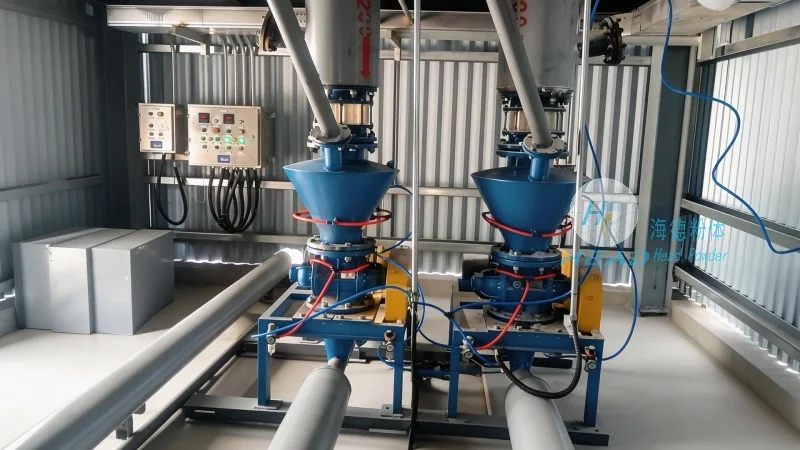
For the production of foam insulation materials, pneumatic conveying systems are essential for moving raw materials such as polystyrene beads or polyurethane foam powders. These materials are often in a loose, dusty form, making them ideal candidates for pneumatic transport. The systems ensure that the raw materials are delivered to the mixing and molding equipment without any loss or degradation, maintaining the quality of the final insulation products.
Automotive and Manufacturing
In the automotive sector, foam plastics are used in components such as seat cushions, interior panels, and soundproofing materials. Pneumatic conveying systems are used to transport these materials from raw material storage to the manufacturing lines. The ability to handle large volumes of foam plastic materials efficiently makes pneumatic systems a preferred choice for automotive manufacturers, as they help streamline production processes and reduce downtime.
Advantages of Pneumatic Conveying for Foam Plastics
Implementing pneumatic conveying systems for foam plastic materials offers several advantages that contribute to improved operational efficiency and product quality.
Efficient Material Transport
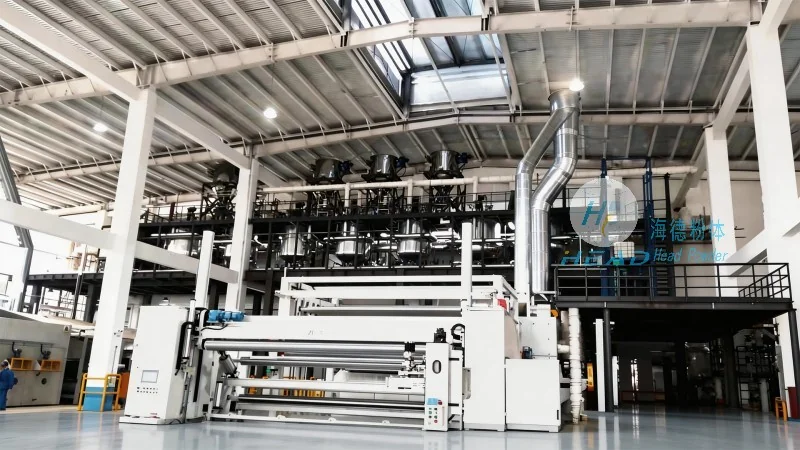
Pneumatic systems can transport foam plastic materials over long distances with minimal loss or degradation. The use of air as the conveying medium ensures that the material remains intact, reducing the need for additional handling steps and minimizing material waste.
Reduced Downtime and Maintenance
Compared to traditional mechanical conveying systems, pneumatic systems have fewer moving parts, which reduces the risk of mechanical failure and lowers maintenance requirements. This results in lower operational costs and increased system reliability, especially in high-demand foam plastic processing environments.
Improved Safety and Hygiene
Pneumatic conveying systems are enclosed, which helps contain dust and prevent contamination. This is particularly important for foam plastics, as they can generate fine particles that may be hazardous if inhaled. The enclosed design also protects the material from external contaminants, ensuring that the final products meet quality standards.
Conclusion
Pneumatic conveying is a vital technology for the efficient and safe handling of foam plastic materials. By understanding the different types of pneumatic conveying systems and their applications, businesses can optimize their material transport processes. Companies like Shandong HeadPowder Engineering Co., Ltd. play a crucial role in providing tailored solutions that meet the specific needs of the foam plastic industry, ensuring that materials are transported efficiently, safely, and with minimal loss. As the demand for foam plastic products continues to grow, the importance of reliable pneumatic conveying systems will only increase, making them an essential component of modern industrial operations.