

[MATCHED]Main Structures of Gypsum Sand Pneumatic Conveying Systems
Gypsum sand pneumatic conveying systems are critical in industries where efficient material handling is paramount. These systems utilize air pressure to transport gypsum sand from one location to another, offering advantages such as reduced labor costs, minimized dust exposure, and enhanced safety compared to traditional methods. The main structures of these systems are designed to work in harmony, ensuring smooth and reliable operation. Understanding each component is essential for optimizing performance and maintaining system longevity.
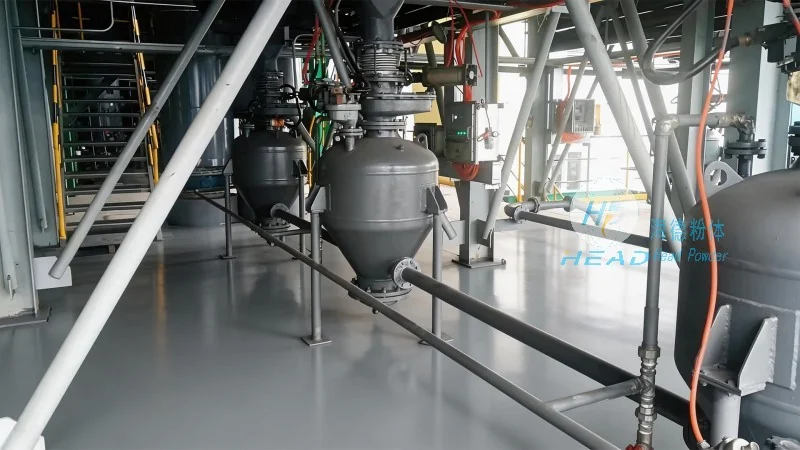
Key Components of Gypsum Sand Pneumatic Conveying Systems
The primary structures of a gypsum sand pneumatic conveying system typically include several interconnected parts. The feeding unit is responsible for introducing the material into the system, often equipped with hoppers or feeders that regulate the material flow. This component ensures consistent and controlled feeding, preventing blockages and maintaining system efficiency. The conveying pipeline, usually made of durable materials like stainless steel or plastic, transports the sand and air mixture through the system. The design of the pipeline, including bends and elbows, is crucial for minimizing pressure losses and avoiding material deposition. The air supply system, which may consist of a blower or compressor, generates the necessary airflow to move the material. This system must be capable of delivering sufficient pressure and volume to overcome resistance in the pipeline and maintain the conveying velocity. Finally, the control mechanisms, including valves, sensors, and monitoring equipment, regulate the operation of the system. These components allow for real-time adjustments, ensuring optimal performance and safety.
Feeding Unit: The First Critical Step
The feeding unit is the initial structure in a gypsum sand pneumatic conveying system, responsible for introducing the material into the pipeline. It typically includes a hopper or silo that stores the gypsum sand and a feeder mechanism that controls the flow rate. The hopper is designed to hold a sufficient quantity of material to avoid frequent refills, while the feeder ensures a steady and uniform flow. Common types of feeders include rotary valves, vibratory feeders, and screw feeders, each offering different advantages in terms of flow control and material compatibility. The choice of feeder depends on factors such as the material's properties, required flow rate, and system design. Proper maintenance of the feeding unit is essential to prevent clogging and ensure consistent operation. Regular cleaning and inspection of the hopper and feeder can extend the system's lifespan and reduce downtime.
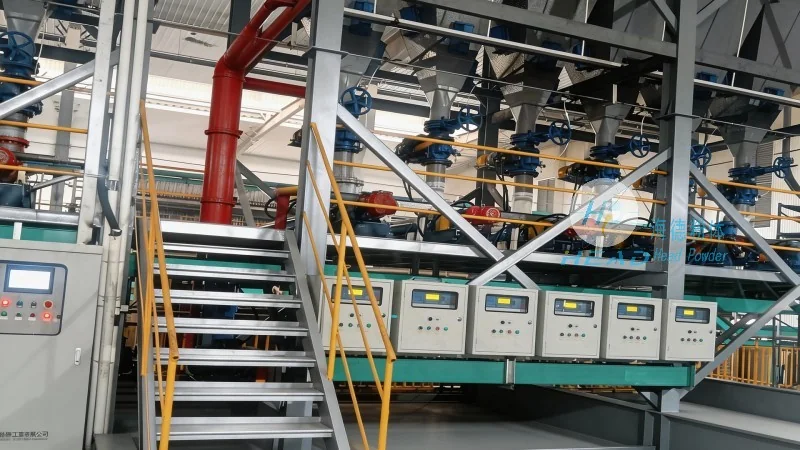
Conveying Pipeline: Ensuring Efficient Transport
The conveying pipeline is a central structure in the system, responsible for transporting the gypsum sand and air mixture from the feeding unit to the discharge point. The pipeline is typically made of materials that are resistant to corrosion and abrasion, such as stainless steel or high-density polyethylene (HDPE). The choice of material depends on the specific application and the properties of the gypsum sand. Stainless steel is preferred for its durability and resistance to chemical exposure, while HDPE is often used for its lightweight and cost-effectiveness. The pipeline design includes various components such as straight sections, bends, and elbows, which are strategically placed to guide the material along the desired path. The angle and radius of the bends are critical to minimize pressure losses and prevent material deposition. Properly sized and maintained pipelines ensure that the conveying velocity remains within optimal ranges, preventing material settling and ensuring smooth transport. Regular inspection and cleaning of the pipeline are necessary to remove any accumulated material or debris that could affect performance.
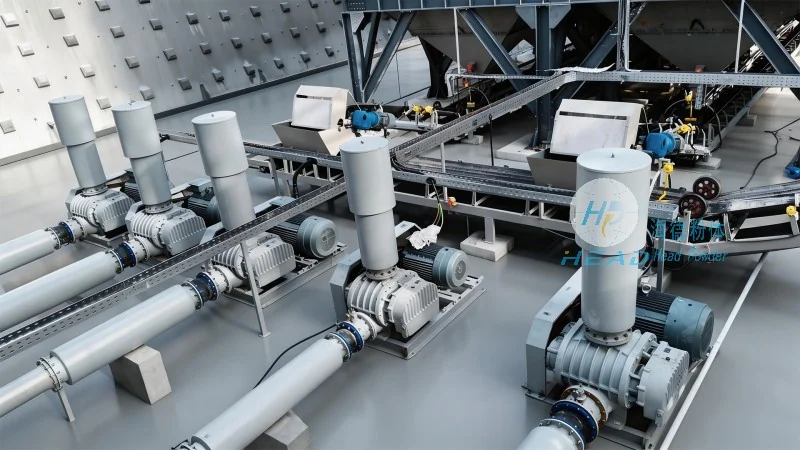
Air Supply System: Powering the Conveying Process
The air supply system is another key structure in a gypsum sand pneumatic conveying system, responsible for generating the necessary airflow to move the material. This system typically includes a blower or compressor that produces the required pressure and volume. The blower is often preferred for its lower noise levels and energy efficiency, making it suitable for long-distance conveying applications. The compressor, on the other hand, is more suitable for high-pressure applications where higher conveying velocities are needed. The air supply system must be capable of delivering sufficient airflow to overcome the resistance in the pipeline and maintain the conveying velocity. The system also includes filters and regulators to ensure that the air is clean and at the correct pressure. These components prevent contaminants from entering the pipeline and maintain consistent performance. Regular maintenance of the air supply system, including cleaning filters and checking for leaks, is essential to ensure optimal operation and prevent system failures.
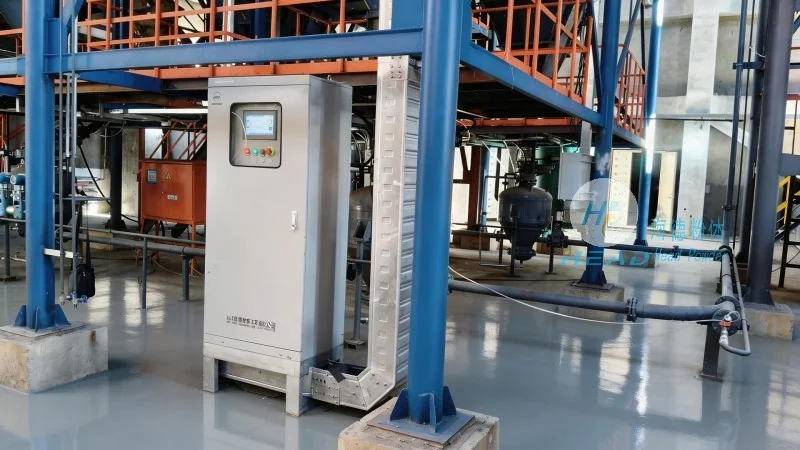
Control Mechanisms: Ensuring System Reliability
The control mechanisms are the final structure in the system, responsible for regulating the operation of the entire pneumatic conveying process. These components include valves, sensors, and monitoring equipment that allow for real-time adjustments and system management. The valves control the flow of air and material, ensuring that the system operates within safe and efficient parameters. The sensors monitor key parameters such as pressure, flow rate, and temperature, providing feedback to the control system. This allows for automatic adjustments to maintain optimal performance. The monitoring equipment provides operators with real-time data and alerts, enabling quick response to any issues that may arise. Properly designed and maintained control mechanisms ensure that the system operates reliably and safely, minimizing downtime and maximizing productivity. Regular calibration and testing of the control components are necessary to ensure accurate operation and prevent malfunctions.
About Shandong HeadPowder Engineering Co., Ltd.
HeadPowder, a leading manufacturer of pneumatic conveying systems, is dedicated to providing high-quality solutions for the gypsum industry. With headquarters in Shandong, China, the company has years of experience in designing and supplying advanced conveying equipment tailored to the unique needs of its clients. The team at HeadPowder combines technical expertise with customer-centric approaches to deliver systems that meet stringent performance standards and operational requirements. HeadPowder's commitment to quality and innovation has made it a trusted partner for businesses in the construction, mining, and industrial sectors. The company's products are designed to enhance efficiency, reduce costs, and improve safety, making them an ideal choice for any application involving gypsum sand transport. By leveraging cutting-edge technology and rigorous quality control, HeadPowder ensures that its systems are reliable, durable, and efficient, providing long-term value to its customers.