

Main Air-Pneumatic Conveying Structures for Almandine Garnet
Almandine garnet, a valuable mineral widely used in industrial applications, requires efficient and reliable material handling systems to ensure smooth production processes. The air-pneumatic conveying structures are crucial components in the processing of almandine garnet, designed to transport the mineral from one location to another with minimal loss and maximum efficiency. This article explores the primary air-pneumatic conveying structures utilized in almandine garnet processing, highlighting their design, functionality, and application in industrial settings.
Introduction to Air-Pneumatic Conveying Systems
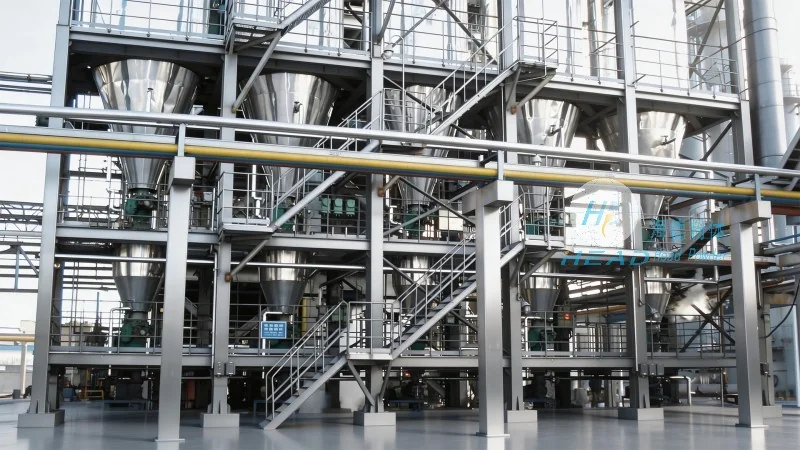
Before delving into the specific structures, it is essential to understand the fundamental principles of air-pneumatic conveying. These systems utilize compressed air to move particulate materials through a pipeline, offering advantages such as low maintenance, flexibility in layout, and the ability to handle a wide range of particle sizes and moisture content. For almandine garnet, which is typically a fine to medium-sized mineral, air-pneumatic conveying is particularly effective due to its ability to transport dry materials without the need for mechanical components that might cause wear or contamination.
Key Air-Pneumatic Conveying Structures for Almandine Garnet
The primary air-pneumatic conveying structures for almandine garnet processing include several critical components that work in tandem to ensure efficient material transport. These structures are engineered to handle the specific characteristics of almandine garnet, such as its hardness and abrasive properties, while maintaining operational efficiency and longevity.
1. Inlet Hopper and Feed System
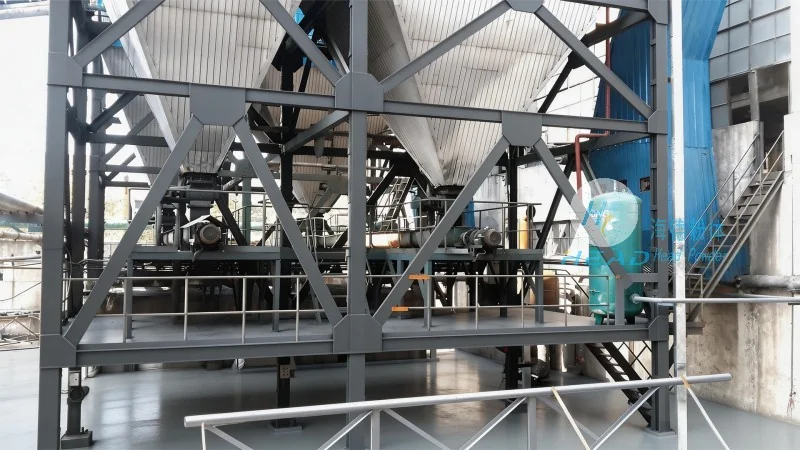
The first stage of the air-pneumatic conveying process begins with the inlet hopper and feed system. This component is responsible for receiving the almandine garnet from the storage or processing area and feeding it into the conveying line. The hopper is typically designed with a sloped bottom to facilitate the flow of material, and it may include a feeder mechanism, such as a rotary valve or a screw feeder, to control the flow rate. For almandine garnet, which can be prone to bridging or caking, the hopper is often equipped with vibration or aeration systems to prevent material buildup and ensure consistent feeding. The feed system must be capable of handling the specific particle size distribution of almandine garnet, which can vary depending on the source and processing requirements. The design of the inlet hopper and feed system is critical to the overall efficiency of the conveying process, as any blockage or uneven flow can lead to system downtime or reduced throughput.
2. Conveying Pipeline and Air Distribution
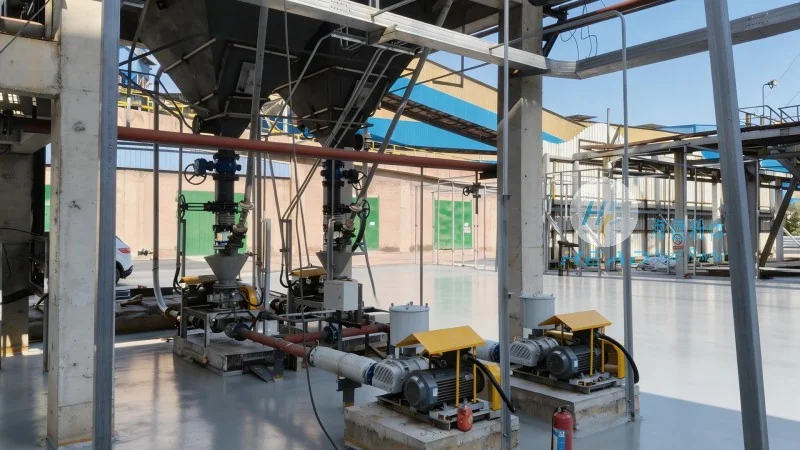
Following the feed system, the almandine garnet is introduced into the conveying pipeline, where compressed air propels the material through the system. The pipeline is typically made of materials resistant to abrasion and corrosion, such as stainless steel or high-density polyethylene, to withstand the abrasive nature of almandine garnet particles. The air distribution within the pipeline is managed by a series of air valves and regulators, which control the flow rate and pressure of the compressed air. These components ensure that the air velocity is sufficient to lift and transport the garnet particles without causing excessive wear on the pipeline or components. The pipeline may include bends, elbows, or vertical sections, each designed to maintain the flow of material and air. For vertical conveying, the system may incorporate a series of air locks or cyclones to prevent material settling and ensure continuous operation. The air distribution system is crucial for maintaining the stability of the conveying process, as fluctuations in air pressure or flow can lead to material deposition or system failure.
3. Separation and Collection System
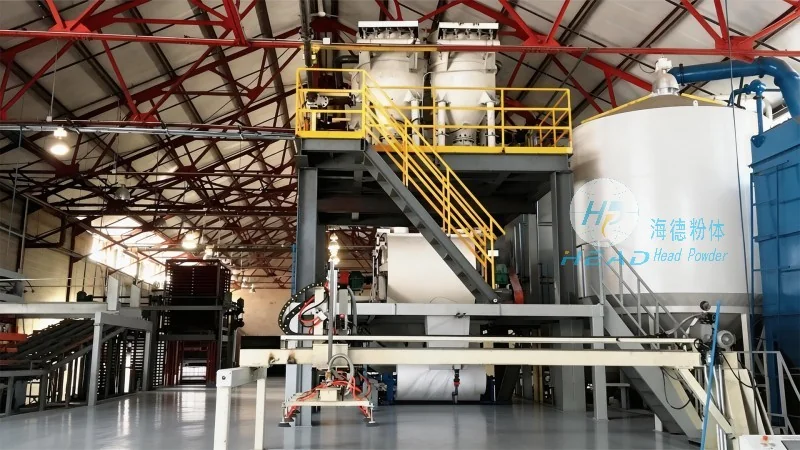
The final stage of the air-pneumatic conveying process involves the separation and collection of the almandine garnet from the air stream. This is typically achieved using a cyclone separator or a baghouse filter, which removes the garnet particles from the air and collects them in a storage bin or processing vessel. The cyclone separator works by using centrifugal force to separate the heavier garnet particles from the lighter air, while the baghouse filter uses fabric bags to trap the particles. The design of the separation system must be optimized for the specific particle size and density of almandine garnet, ensuring high efficiency in particle recovery and minimal air leakage. The collected garnet is then transferred to the next stage of processing, such as washing or further grinding, completing the material handling cycle.
4. Control and Monitoring Systems
Modern air-pneumatic conveying systems for almandine garnet processing are equipped with advanced control and monitoring systems to ensure optimal performance and operational safety. These systems include sensors for measuring air pressure, flow rate, and particle concentration, as well as control panels that allow operators to adjust the system parameters in real-time. The control system may include alarms and safety features to detect and prevent issues such as overpressure, material blockage, or air leaks. For almandine garnet processing, where the material is valuable and the process is critical, the control and monitoring systems are essential for maintaining product quality and preventing equipment damage. The integration of these systems with the conveying components ensures that the entire process is efficient, reliable, and cost-effective.
Conclusion
In summary, the air-pneumatic conveying structures for almandine garnet processing are a critical part of the material handling system, designed to efficiently transport the mineral while maintaining product quality and operational efficiency. The key components, including the inlet hopper and feed system, conveying pipeline and air distribution, separation and collection system, and control and monitoring systems, work together to ensure smooth and continuous operation. By understanding and optimizing these structures, manufacturers can improve the productivity and profitability of their almandine garnet processing operations. The expertise and engineering capabilities of companies like Shandong HeadPowder Engineering Co., Ltd. play a vital role in designing and implementing these systems, ensuring that almandine garnet is handled safely and effectively in industrial applications.