

Introduction to Pneumatic Conveying for Monosodium Glutamate Powder and System Working Principles
Monosodium glutamate (MSG) powder, a widely used flavor enhancer in the food industry, requires efficient and reliable handling systems to ensure quality and safety during transportation. Pneumatic conveying technology offers an effective solution for moving MSG powder from storage to processing areas. This article provides an overview of pneumatic conveying systems, focusing on their working principles and applications in the context of MSG powder handling.
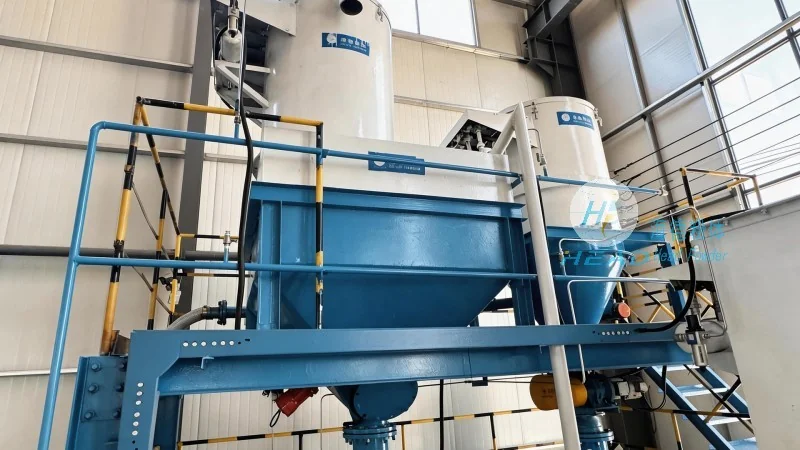
Understanding Pneumatic Conveying Systems
Pneumatic conveying is a method of transporting bulk materials, such as powders, granules, or small particles, using a gas stream (usually air) to move the material through a pipeline. The system typically consists of several key components, including a material feeder, a conveying line, a separation unit, and a receiver. The process can be categorized into two main types: positive pressure (or pressure) systems and negative pressure (or vacuum) systems, each with distinct advantages and applications.
Key Components of a Pneumatic Conveying System
1. **Material Feeder**: The feeder is responsible for introducing the MSG powder into the conveying line. It ensures a consistent and controlled flow of material, preventing blockages and maintaining system efficiency. Common types include rotary valves, star feeders, and screw feeders, which are chosen based on the powder's properties and the required flow rate.
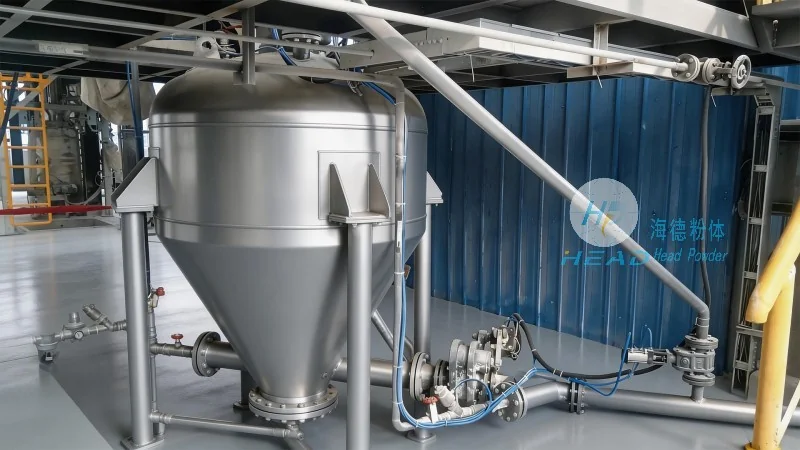
2. **Conveying Line**: The pipeline through which the air and powder mixture travels. The line is usually made of stainless steel or other corrosion-resistant materials to handle the chemical properties of MSG powder and to maintain hygiene standards. The diameter and length of the line are critical factors that affect the system's performance, including pressure drop and conveying capacity.
3. **Separation Unit**: After the material is transported, the separation unit separates the powder from the air stream. This is typically achieved using a cyclone separator or a bag filter. The separated powder is collected in a receiver, while the air is either vented to the atmosphere or recirculated back into the system to improve efficiency.
4. **Receiver**: The container where the conveyed MSG powder is deposited. The receiver is designed to handle the material's flow characteristics and to prevent dust emissions. It may include features like a dust collection system or a discharge valve to ensure safe and controlled unloading.
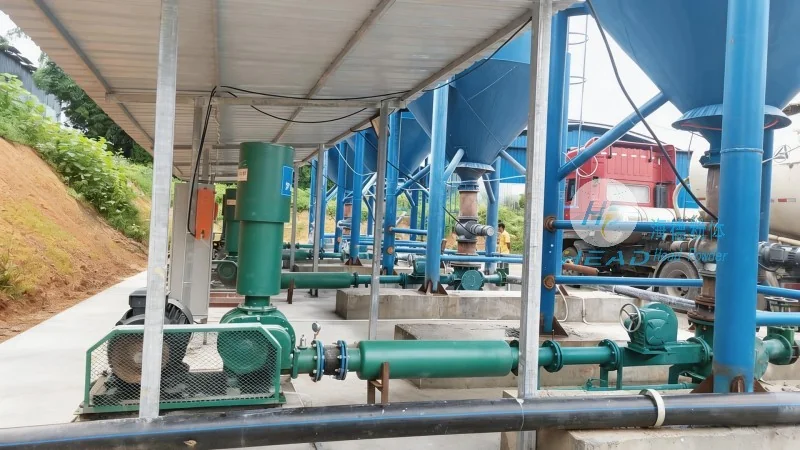
Working Principle of Pneumatic Conveying for MSG Powder
The operation of a pneumatic conveying system for MSG powder involves several steps. First, the MSG powder is fed into the system by the material feeder. Simultaneously, a high-pressure air stream is generated by a blower or compressor. The air stream carries the powder particles through the conveying line. As the mixture travels, the air and powder separate at the separation unit, where the powder is collected and the air is either filtered or recirculated. The entire process is controlled by a system of valves, sensors, and controls to maintain optimal pressure, flow rate, and material handling efficiency.
Advantages of Pneumatic Conveying for MSG Powder Handling
Using pneumatic conveying for MSG powder offers several advantages over traditional methods like bucket elevators or belt conveyors. These include:
- Hygienic and Clean Operation: Pneumatic systems are enclosed, reducing dust contamination and ensuring compliance with food safety regulations. The stainless steel construction and sealed components prevent cross-contamination and maintain product purity.
- Flexibility and Versatility: The system can be easily reconfigured to handle different powder types or to change the conveying route, making it suitable for various production layouts. It can also handle both horizontal and vertical conveying, adapting to the space constraints of the facility.
- Reduced Product Damage: The gentle handling of the air stream minimizes particle breakage and agglomeration, preserving the quality and texture of the MSG powder. This is particularly important for fine powders that are sensitive to mechanical stress.
- Energy Efficiency: Modern pneumatic conveying systems are designed to optimize energy use. By using appropriate air volumes and pressures, and by incorporating recirculation systems, the energy consumption can be significantly reduced compared to other bulk material handling methods.
Applications in the Food Industry
In the food industry, pneumatic conveying is widely used for transporting MSG powder from storage silos to mixing and packaging lines. The system can be integrated with other processing equipment, such as mixers, blenders, and packaging machines, to create a seamless production line. The ability to handle fine powders without clogging or loss ensures consistent product quality and reduces downtime due to maintenance or material blockages.
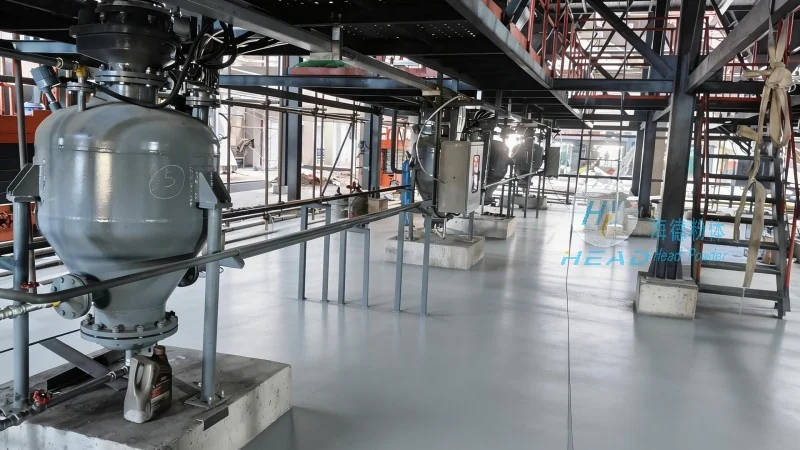
Shandong HeadPowder Engineering Co., Ltd. and Pneumatic Conveying Solutions
Shandong HeadPowder Engineering Co., Ltd., a leading provider of bulk material handling solutions, specializes in designing and manufacturing customized pneumatic conveying systems for the food industry. With years of experience in handling sensitive powders like MSG, the company understands the unique challenges of powder transport, including dust control, product purity, and system reliability. HeadPowder engineers work closely with clients to assess their specific needs, from material properties and production volumes to facility layout and safety requirements, to develop tailored solutions that meet or exceed industry standards.
The company's expertise includes the design of both positive and negative pressure systems, selection of appropriate components (such as feeders, separators, and receivers), and integration of advanced control systems to optimize performance. By leveraging their knowledge of powder technology and engineering principles, HeadPowder ensures that their pneumatic conveying systems are not only efficient but also durable, easy to maintain, and compliant with global food safety regulations. The company's commitment to quality and customer satisfaction has made it a trusted partner for food manufacturers seeking reliable and effective MSG powder handling solutions.