

Introduction to Rare Earth Powder Pneumatic Conveying and the Working Principle of Pneumatic Conveyi
For industries dealing with rare earth powders, efficient material handling is crucial for maintaining production efficiency and product quality. Pneumatic conveying systems offer a reliable solution for transporting these fine materials, and understanding their operation is key to optimizing processes. This article provides an overview of rare earth powder pneumatic conveying, detailing the working principles and benefits of such systems.
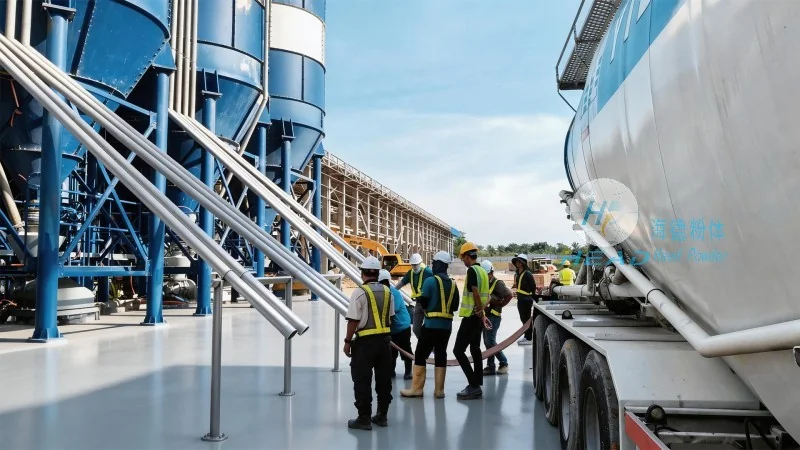
Company Profile: Shandong HeadPowder Engineering Co., Ltd.
HeadPowder, a leading manufacturer based in Shandong, China, specializes in providing advanced pneumatic conveying solutions tailored to the unique needs of the rare earth industry. With a strong commitment to innovation and quality, the company has established itself as a trusted partner for businesses seeking efficient material handling systems. HeadPowder's expertise lies in designing and manufacturing customized pneumatic conveying equipment that ensures safe, reliable, and cost-effective transportation of rare earth powders.
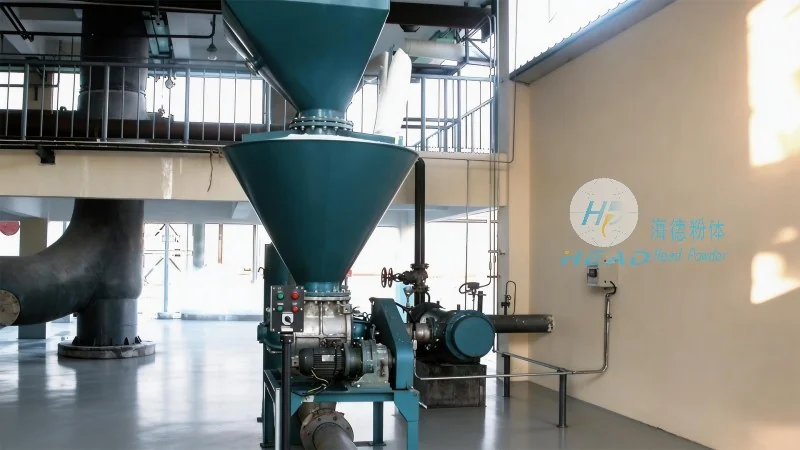
The Working Principle of Pneumatic Conveying Systems
Pneumatic conveying systems operate by using compressed air or gas to transport bulk materials through a pipeline. In the case of rare earth powders, the system typically involves a series of components that work in tandem to ensure smooth material flow. The process begins with the material being fed into a hopper or feeder, where it is then drawn into the conveying line by the air flow. The air, often generated by a blower or compressor, creates a pressure differential that propels the powder through the pipeline. Key components include the feeder, which controls the material flow rate; the conveying line, which transports the material; and the receiver, where the material is deposited. The system may also incorporate features such as cyclones or filters to separate the material from the air, ensuring a clean and efficient operation.
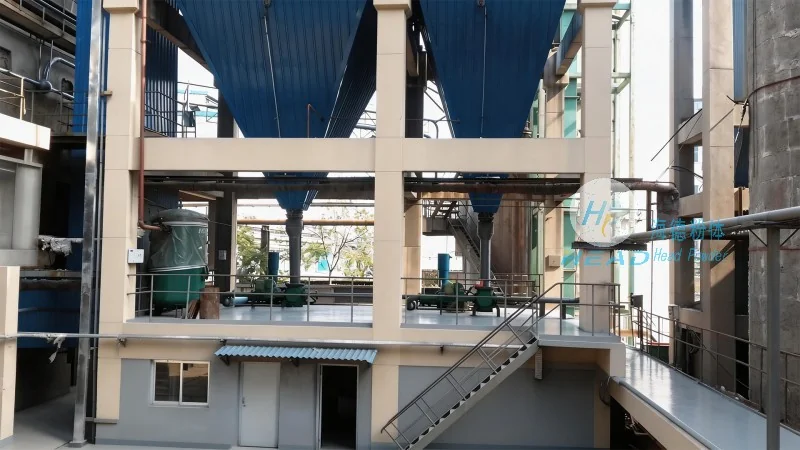
Advantages of Pneumatic Conveying for Rare Earth Powders
Compared to traditional methods like belt conveyors or bucket elevators, pneumatic conveying offers several advantages for handling rare earth powders. One of the primary benefits is the ability to transport materials in a closed system, which minimizes dust exposure and contamination. This is particularly important for rare earth powders, as they are often sensitive to moisture and environmental factors. Additionally, pneumatic systems can handle fine and abrasive powders without causing excessive wear on equipment, extending the lifespan of the machinery. The flexibility of pneumatic conveying also allows for easy integration into existing production lines, reducing downtime and installation costs. Furthermore, these systems can be designed to operate at low or high pressures, providing versatility for different material characteristics and application requirements.
Applications in the Rare Earth Industry
Rare earth powder pneumatic conveying is widely used in various stages of the rare earth processing industry. From raw material handling and storage to intermediate processing and final product packaging, these systems play a critical role in ensuring smooth workflow. For example, in the mining and extraction phase, pneumatic conveyors can transport raw ore or concentrate to processing facilities. During the refining and purification steps, the system helps move fine powders between reactors and filters. Finally, in the final product stage, the equipment can efficiently transport finished rare earth powders to storage or packaging areas. The consistent and reliable performance of pneumatic conveying systems ensures that production processes run smoothly, reducing the risk of material loss or contamination.

Customization and Maintenance Considerations
Due to the diverse properties of rare earth powders, such as varying particle sizes, moisture content, and chemical characteristics, pneumatic conveying systems often require customization to meet specific operational needs. HeadPowder specializes in designing tailored solutions that address these variations, ensuring optimal performance. Proper maintenance is also essential to maintain the efficiency and longevity of the system. Regular checks on components like the blower, filters, and conveying lines help prevent issues such as clogging or air leaks. Additionally, using appropriate materials for the conveying line and components can minimize wear and tear from abrasive powders. By adhering to proper maintenance protocols, businesses can maximize the lifespan of their pneumatic conveying equipment and minimize operational disruptions.