

Introduction to Titanium Dioxide Pneumatic Conveying and Explanation of Pneumatic Conveying System W
HeadPowder, a leading provider in the field of material handling solutions, specializes in advanced pneumatic conveying systems tailored for the efficient transport of high-value materials such as titanium dioxide. This article provides an overview of titanium dioxide pneumatic conveying, detailing the fundamental principles of pneumatic conveying systems and how they are applied in industrial settings to ensure optimal material transport efficiency and safety.
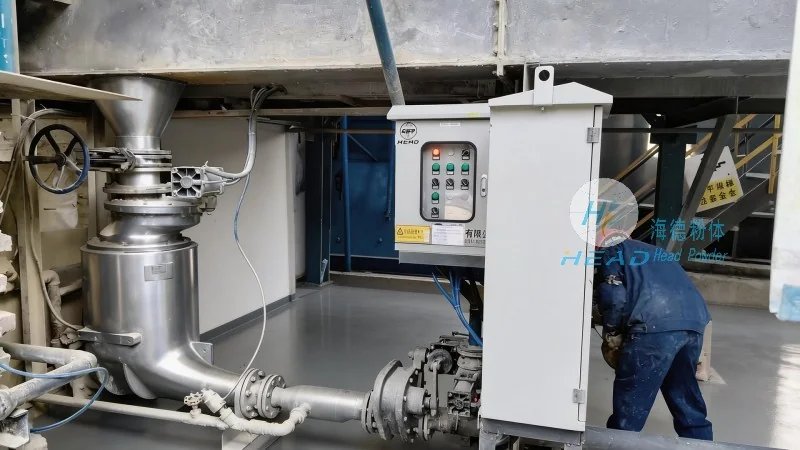
Titanium dioxide, commonly known as TiO₂, is a crucial white pigment and photocatalyst used extensively in industries like coatings, plastics, paper, and cosmetics. Its fine powder form requires specialized handling methods to prevent dust contamination and ensure consistent quality. Pneumatic conveying offers a solution by utilizing air to transport these fine powders through a closed system, minimizing environmental impact and operational risks.
Shandong HeadPowder Engineering Co., Ltd., based in Shandong, China, is dedicated to developing and implementing state-of-the-art pneumatic conveying systems. The company's expertise lies in designing customized solutions that meet the unique demands of titanium dioxide processing, ensuring reliable and efficient material transport from storage to processing units.
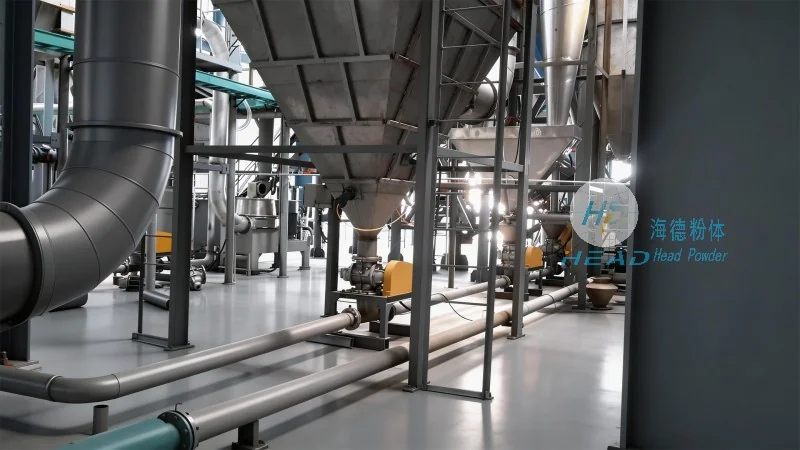
The core principle of pneumatic conveying involves the use of air as a medium to move solid particles. There are two primary types of pneumatic conveying systems: dilute phase and dense phase. Dilute phase systems use low air velocities to transport particles in a dispersed state, suitable for short to medium distances and low to medium particle sizes. Dense phase systems, on the other hand, employ higher air pressures and lower velocities to move particles in a slurry-like state, ideal for longer distances and larger particles or bulk materials.
In the context of titanium dioxide, dilute phase conveying is often preferred due to the material's fine particle size and the need for minimal pressure drop and consistent flow. The system typically consists of a hopper for material storage, a conveyor line with a series of pipes and fittings, and a receiver for the discharged material. The process begins with the material being fed into the hopper, where it is then drawn into the conveyor line by a vacuum or pressure source. The air flow, controlled by a blower or compressor, carries the titanium dioxide particles through the system, ensuring smooth and continuous transport.
Key components of a pneumatic conveying system for titanium dioxide include the material feeder, which regulates the flow rate to maintain consistent pressure and flow; the conveying line, which is designed with appropriate diameter and length to minimize friction and pressure loss; and the receiver, which collects the material at the destination point. The system may also incorporate filters and cyclones to separate the air from the powder, ensuring that the discharged material is free from contaminants and the air is safely vented.
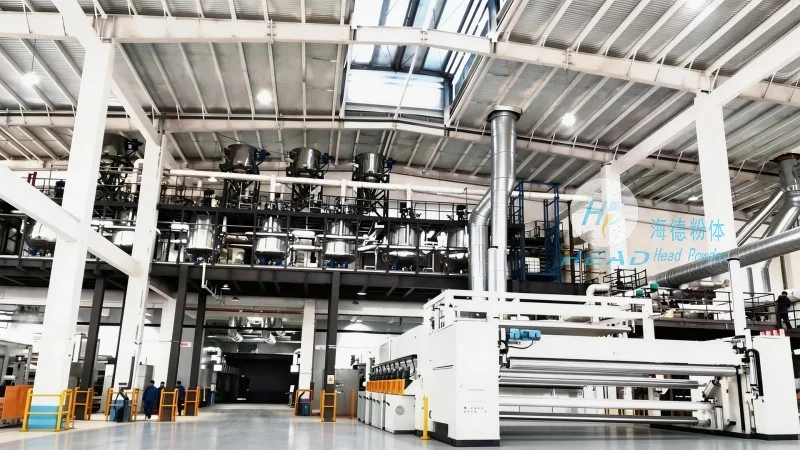
One of the primary advantages of pneumatic conveying for titanium dioxide is its ability to handle fine powders without the need for mechanical components that could cause contamination or damage. The closed system design prevents dust emissions, reducing environmental impact and improving workplace safety. Additionally, pneumatic conveying systems can be integrated with other processing equipment, such as mixers and reactors, to create a seamless material handling workflow.
Shandong HeadPowder Engineering Co., Ltd. leverages its technical expertise to design and install pneumatic conveying systems that are tailored to the specific requirements of titanium dioxide manufacturers. The company's engineers consider factors such as material properties, processing capacity, and operational environment to develop optimal solutions. For example, in a titanium dioxide production facility, the system may need to transport material from a storage silo to a grinding or mixing unit, requiring a combination of vacuum and pressure conveying stages to achieve the desired flow rates and distances.
When selecting a pneumatic conveying system for titanium dioxide, several factors must be evaluated to ensure optimal performance. These include the particle size distribution, moisture content, and bulk density of the material, as these characteristics affect the air velocity and pressure required for efficient transport. The system's capacity and scalability are also critical, as titanium dioxide production facilities often require high-volume transport solutions that can be expanded as production scales up.
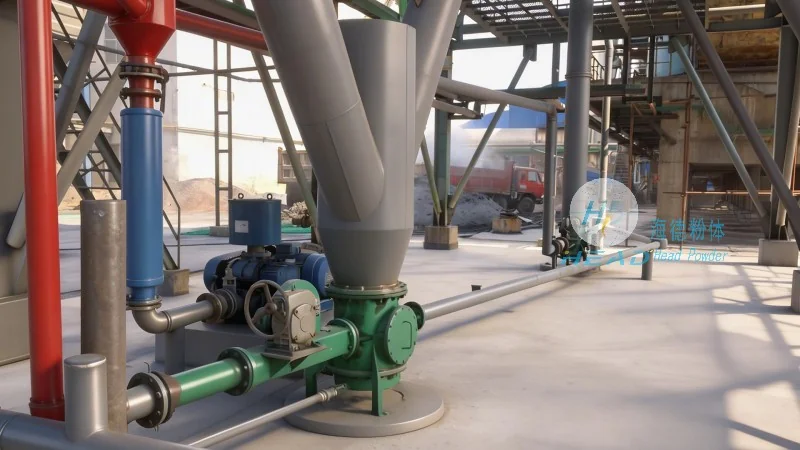
Furthermore, the reliability and maintenance requirements of the system are important considerations. Pneumatic conveying systems, especially those handling fine powders, require regular maintenance to prevent clogging and ensure consistent performance. Shandong HeadPowder Engineering Co., Ltd. provides comprehensive support, including system maintenance, spare parts supply, and technical training, to ensure that clients can operate their systems efficiently and with minimal downtime.
In conclusion, pneumatic conveying is a highly effective method for transporting titanium dioxide, offering advantages in terms of efficiency, safety, and environmental compliance. With its expertise in material handling solutions, Shandong HeadPowder Engineering Co., Ltd. plays a vital role in providing customized pneumatic conveying systems that meet the evolving needs of the titanium dioxide industry. By understanding the fundamental principles of pneumatic conveying and applying them to the specific requirements of titanium dioxide processing, the company ensures that clients achieve optimal material transport solutions that enhance productivity and operational performance.