

What is a Calcium Carbide Powder Pneumatic Conveying Equipment? Introduction to the Structure and Pr
Calcium carbide powder is a critical raw material in various industrial applications, including chemical synthesis, metallurgy, and the production of acetylene gas. The efficient and safe transportation of this powder is essential for maintaining production efficiency and ensuring workplace safety. A calcium carbide powder pneumatic conveying equipment is a specialized system designed to handle the transport of this fine powder through a pneumatic process, which involves the use of air or other gases to move the material from one location to another.
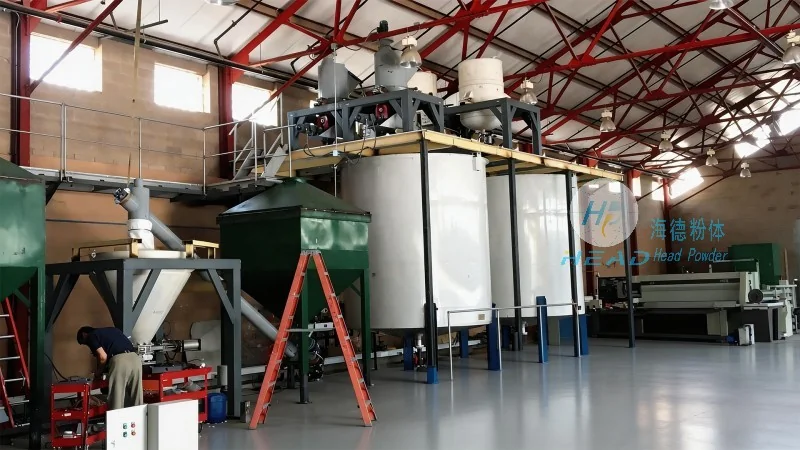
Overview of Pneumatic Conveying Systems for Calcium Carbide Powder
Pneumatic conveying systems are widely used in industries dealing with powders due to their ability to transport materials over long distances without the need for mechanical components like belts or buckets. These systems are particularly suitable for calcium carbide powder because of its fine particle size and potential reactivity. The core of such a system is the ability to create a consistent flow of material while maintaining a controlled environment to prevent dust explosions or material degradation.
Key Components of a Calcium Carbide Powder Pneumatic Conveying Equipment
The structure of a calcium carbide powder pneumatic conveying equipment typically consists of several key components that work in tandem to ensure efficient operation. These components include:
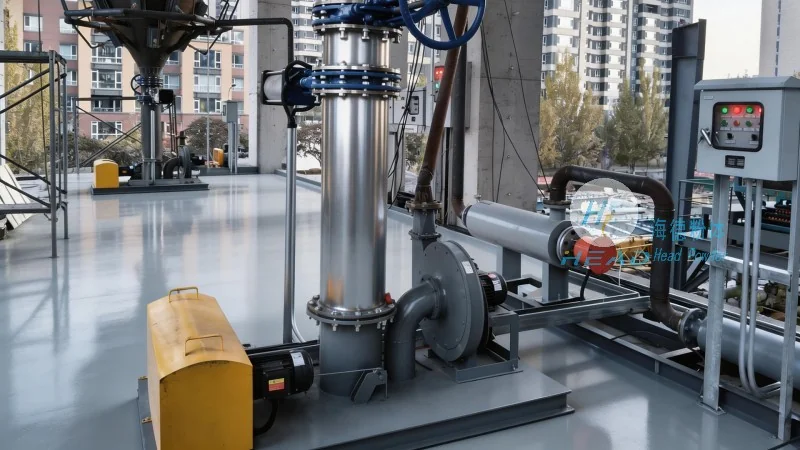
- Pneumatic Conveying Hopper: This is the initial storage and feeding unit where the calcium carbide powder is loaded. It is designed with a hopper shape to facilitate the flow of powder into the system, often equipped with a rotary valve or a feeder to control the discharge rate.
- Pneumatic Conveying Pipe Network: The main conduit for transporting the powder. The pipes are usually made of materials resistant to corrosion and wear, such as stainless steel or special alloys, to withstand the abrasive nature of calcium carbide particles. The system may include straight pipes, bends, and expansion joints to accommodate changes in direction and elevation.
- Pneumatic Conveying Blower or Fan: This is the power source that generates the air flow necessary to move the powder. For calcium carbide powder, a high-pressure blower or a vacuum system may be used, depending on the specific conveying requirements. The blower is typically positioned to create either positive pressure (pressure conveying) or negative pressure (vacuum conveying) to move the material.
- Pneumatic Conveying Control System: This component manages the operation of the entire system, including the feeding rate, air pressure, and flow direction. It may include sensors to monitor pressure, flow rate, and material level, ensuring that the system operates within safe and efficient parameters.
- Pneumatic Conveying Discharge Unit: The final component where the powder is deposited. This unit is designed to handle the material gently to prevent agglomeration or damage, often incorporating a rotary valve or a dust collector to control the discharge and minimize dust emissions.
Working Principle of the Calcium Carbide Powder Pneumatic Conveying Equipment
The principle behind the operation of a calcium carbide powder pneumatic conveying equipment is based on the interaction between the powder particles and the air stream. In pressure conveying, the blower generates a high-pressure air stream that pushes the powder through the pipe network. The powder is suspended in the air stream and moves along with it, reaching the discharge point. In vacuum conveying, the blower creates a negative pressure that draws the powder from the hopper into the pipe, again suspending it in the air stream for transport.
For calcium carbide powder, the system must be designed to handle its specific properties. Calcium carbide is a fine, abrasive powder that can cause wear on the equipment components. Therefore, the materials used for the pipes, hoppers, and other parts are selected to withstand this wear, often using high-quality stainless steel or wear-resistant coatings. Additionally, the system must be equipped with proper dust collection and explosion prevention measures, as calcium carbide dust can be explosive under certain conditions.
Advantages of Using a Calcium Carbide Powder Pneumatic Conveying Equipment
Implementing a pneumatic conveying system for calcium carbide powder offers several advantages over traditional mechanical conveying methods. These include:
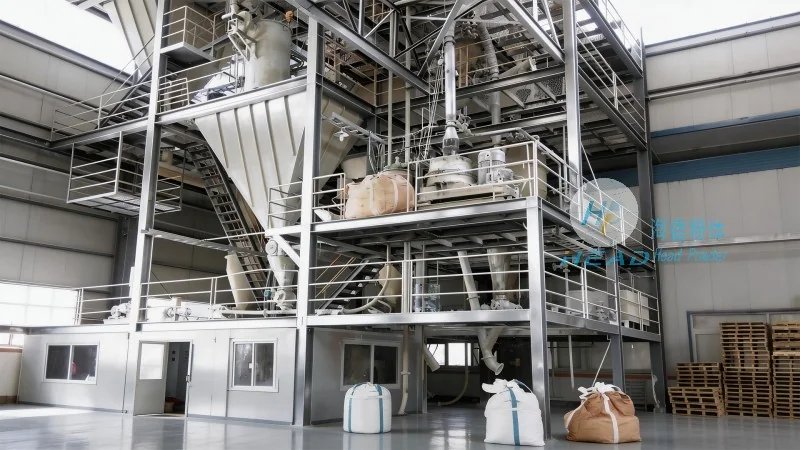
- Improved Safety: Pneumatic systems can be enclosed, reducing the risk of dust exposure and preventing dust explosions. The controlled environment also minimizes the risk of material contamination.
- Enhanced Efficiency: The system allows for continuous and uniform material flow, reducing downtime and increasing production throughput. The ability to transport materials over long distances without intermediate storage points also improves operational efficiency.
- Reduced Maintenance: Unlike mechanical systems that require regular maintenance of belts, bearings, and other moving parts, pneumatic systems have fewer moving components, leading to lower maintenance costs and longer equipment lifespan.
- Flexibility in Layout: Pneumatic conveying systems can be easily reconfigured to accommodate changes in production processes or facility layouts, as the pipe network can be adjusted without major structural modifications.
Application Scenarios and Considerations
The calcium carbide powder pneumatic conveying equipment is commonly used in various industrial settings, such as chemical plants, steel mills, and manufacturing facilities that produce or process calcium carbide. The system is particularly suitable for applications where the powder needs to be transported from a storage silo to a processing unit, or between different production stages.
When selecting or designing a pneumatic conveying system for calcium carbide powder, several factors must be considered. These include the particle size and density of the powder, the required conveying distance and flow rate, the ambient conditions (temperature and humidity), and the available space for installation. It is also important to consider the potential for material buildup or clogging in the pipes, which may require the use of cleaning mechanisms or specialized materials.