

Principle of Cotton Pneumatic Conveying System
HeadPowder, a leading engineering firm based in Shandong, China, specializes in the design, manufacturing, and implementation of advanced cotton pneumatic conveying systems. These systems are engineered to efficiently transport cotton from storage to processing units, ensuring optimal performance and reliability in textile production environments. The principle of pneumatic conveying leverages air flow to move bulk materials like cotton, offering a flexible and efficient solution compared to traditional mechanical conveyors.
Core Principles of Pneumatic Conveying
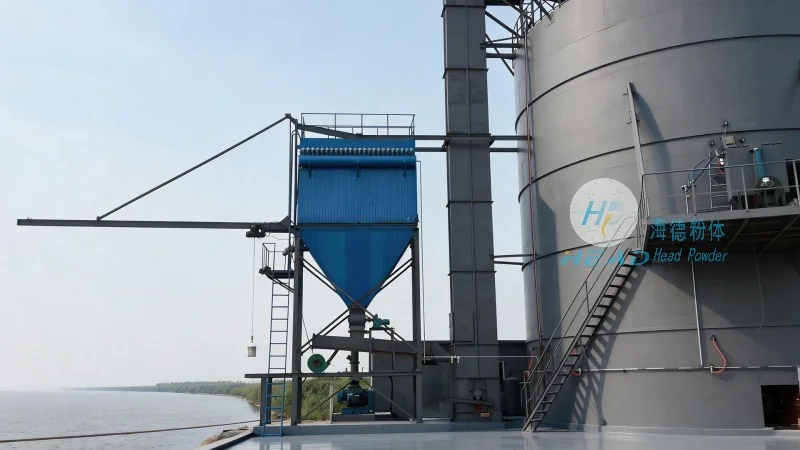
The fundamental principle of cotton pneumatic conveying involves using compressed air to create a flow that propels cotton particles through a pipeline. This method is based on the concept of fluidization, where the air flow suspends the cotton fibers, allowing them to be transported with minimal friction and damage. The system typically consists of a hopper for material storage, a blower or air compressor to generate the necessary air pressure, and a pipeline network that directs the cotton to the processing equipment. The design of the system is critical to ensure efficient material movement, as factors such as air velocity, particle size, and pipeline diameter directly impact the conveying efficiency.
Key Components and Their Functions
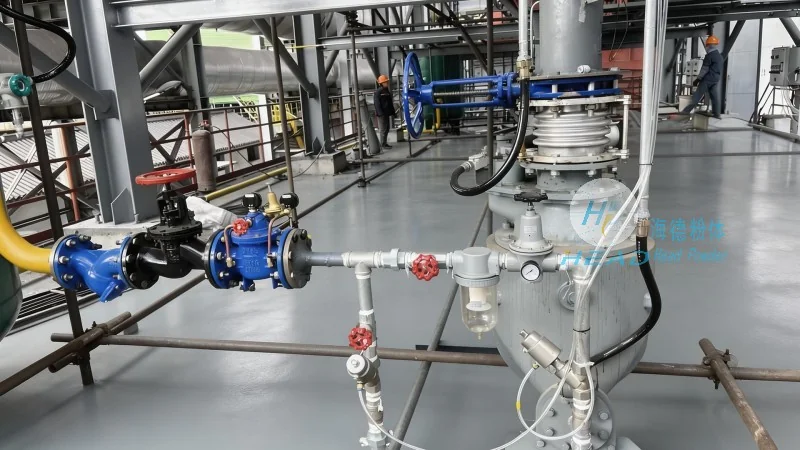
Several key components work together to ensure the smooth operation of a cotton pneumatic conveying system. The material hopper is the initial storage unit, where cotton is loaded and held before being fed into the system. The feeder, often a rotary valve or screw feeder, controls the flow rate of cotton into the pipeline, preventing overloading and maintaining consistent air flow. The blower or air compressor provides the necessary pressure to move the cotton, with adjustable speed settings allowing for control over the conveying rate. The pipeline network, made of durable materials like stainless steel or PVC, is designed to withstand the pressure and abrasion from the cotton fibers. Additionally, the system may include filters and cyclones to separate air from the cotton, ensuring that the processed cotton is clean and free from contaminants.
Advantages of Pneumatic Conveying Systems
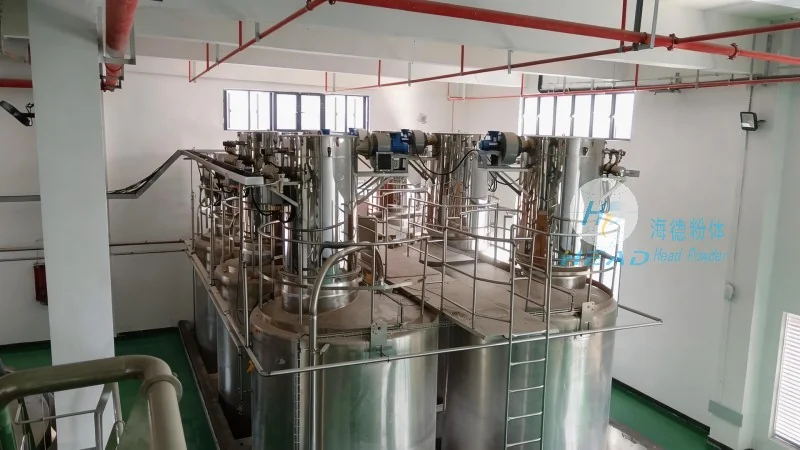
Compared to traditional mechanical conveyors, cotton pneumatic conveying systems offer several advantages. Firstly, they are highly flexible, as the pipeline can be easily reconfigured to accommodate changes in production processes or facility layouts. Secondly, they minimize material damage, as the air flow reduces friction and impact compared to mechanical belts or rollers. Thirdly, the system is relatively compact, requiring less floor space than traditional conveyor systems. Additionally, pneumatic conveying can handle a wide range of cotton types and particle sizes, making it suitable for various textile applications. The ability to transport materials over long distances without the need for multiple transfer points also enhances operational efficiency.
Application in Textile Manufacturing
Cotton pneumatic conveying systems are widely used in the textile industry to transport raw cotton from storage to spinning and weaving machines. The system ensures that cotton is delivered to the processing units in a clean and consistent manner, which is crucial for maintaining the quality of the final textile products. By eliminating the need for manual handling and reducing the risk of contamination, the system improves overall production efficiency and product quality. HeadPowder's systems are tailored to meet the specific needs of textile manufacturers, with customizable components that can be adjusted to handle different cotton types and production volumes.
Engineering and Customization by HeadPowder
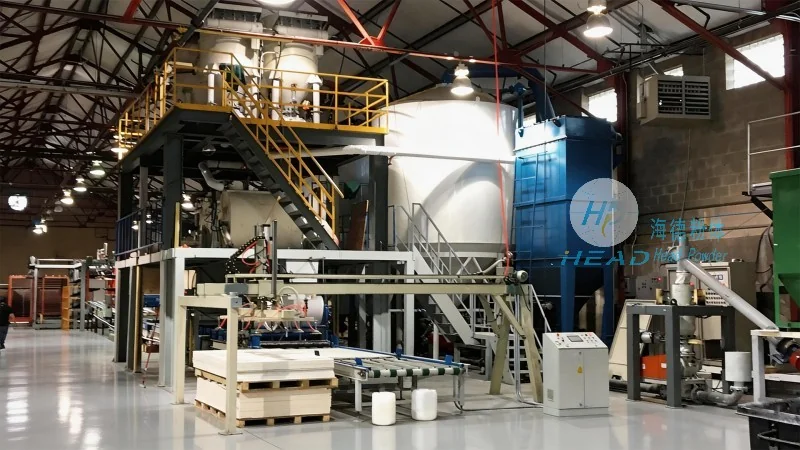
HeadPowder Engineering Co., Ltd., based in Shandong, China, provides comprehensive engineering services for cotton pneumatic conveying systems. The company's team of experienced engineers designs customized solutions that address the unique requirements of each client. From initial system design and material selection to installation and maintenance, HeadPowder offers end-to-end support to ensure the system operates at peak efficiency. The company uses advanced simulation tools to model the system's performance, allowing for optimization of air flow and pipeline design before construction. This approach ensures that the final system meets the client's performance expectations while minimizing costs and downtime.