

Principle of Calcium Carbide Powder Pneumatic Conveying Equipment
Calcium carbide powder pneumatic conveying equipment is a specialized system designed to transport calcium carbide powder efficiently and safely. This equipment operates on the principle of pneumatic conveying, which involves the use of air or gas to move bulk materials through a pipeline network. The system is engineered to handle the unique properties of calcium carbide powder, ensuring reliable and consistent material transfer in industrial applications.
Core Components and Working Principle
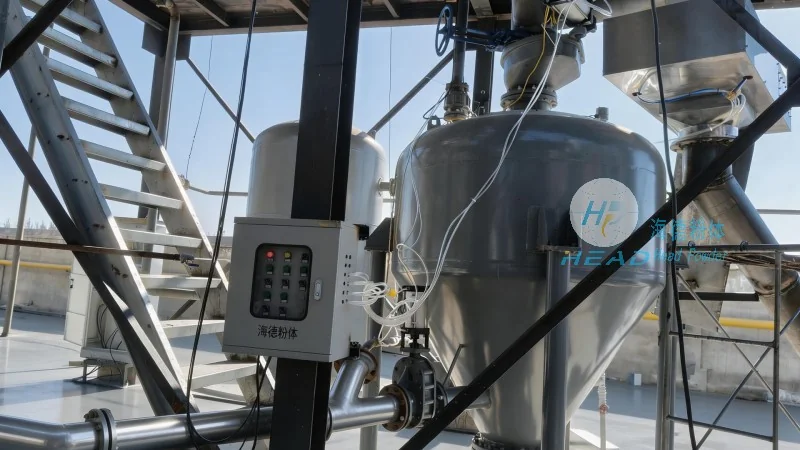
The pneumatic conveying system for calcium carbide powder typically consists of several key components, each playing a critical role in the overall operation. The primary components include a material feeder, a conveying pipeline, a gas source (usually a blower or compressor), and a control system. The material feeder is responsible for feeding the calcium carbide powder into the pipeline at a controlled rate. The conveying pipeline, often made of corrosion-resistant materials such as stainless steel or special alloys, transports the powder along with the air stream. The gas source provides the necessary pressure and airflow to move the powder through the system. The control system monitors and regulates the flow of both the powder and the air to maintain optimal conveying conditions.
How the Equipment Transfers Calcium Carbide Powder
The operation of the calcium carbide powder pneumatic conveying equipment begins with the material feeder. The feeder meters the calcium carbide powder and introduces it into the conveying pipeline. Simultaneously, the gas source generates a flow of air or gas, which is directed into the pipeline. As the air flows through the pipeline, it creates a pressure differential that lifts and propels the calcium carbide powder particles. The powder particles are suspended in the air stream and transported to the destination point, such as a storage silo or processing unit. The system is designed to maintain a consistent flow rate and pressure, ensuring that the powder is conveyed without clogging or degradation. The control system continuously adjusts the air flow and feeder speed to match the demand, optimizing the conveying efficiency and minimizing energy consumption.
Advantages of Using Pneumatic Conveying for Calcium Carbide Powder
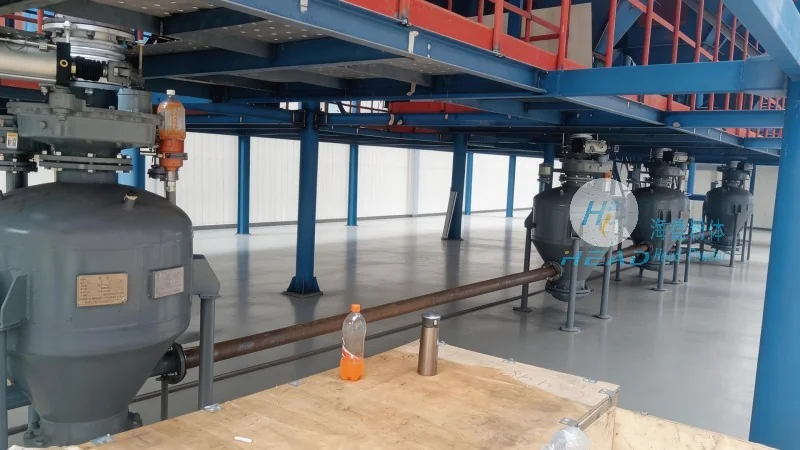
There are several advantages to using pneumatic conveying equipment for calcium carbide powder. Firstly, it offers a closed system, which helps to prevent dust emissions and maintain a clean working environment. This is particularly important for calcium carbide powder, which can be hazardous if inhaled. Secondly, the system provides high conveying efficiency, allowing for the rapid and reliable transfer of large quantities of powder. Thirdly, pneumatic conveying reduces the risk of material degradation compared to other methods, such as mechanical conveying, which can cause particle breakage or agglomeration. Additionally, the equipment is relatively easy to install and maintain, with minimal moving parts that require regular servicing. The closed system also helps to protect the powder from moisture and other contaminants, ensuring that the material remains in its optimal condition for industrial use.
Applications in Industrial Settings
The calcium carbide powder pneumatic conveying equipment is widely used in various industrial applications where calcium carbide is processed or utilized. For example, in the chemical industry, the equipment is used to transport calcium carbide powder to reactors or storage tanks for subsequent processing into acetylene gas. In the metallurgical industry, it is employed to move the powder to smelting furnaces or other processing equipment. The equipment is also used in the production of calcium carbide-based products, such as calcium carbide derivatives or specialty chemicals. The versatility of the system allows it to be adapted to different production scales and operational requirements, making it a valuable asset in modern industrial operations.
Maintenance and Operational Considerations
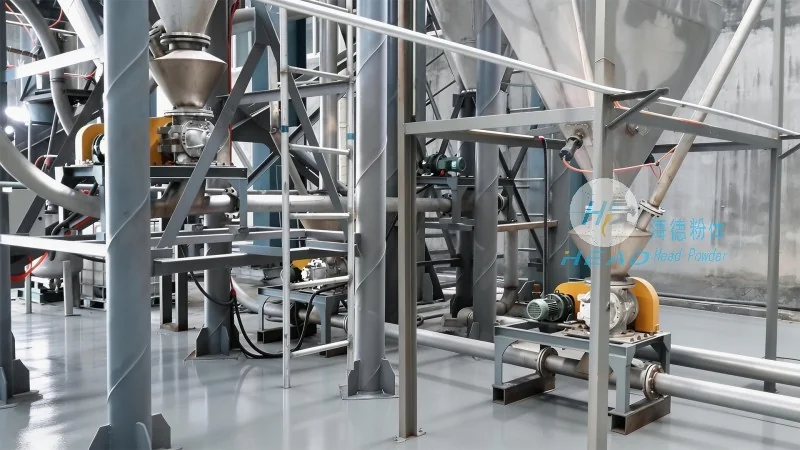
Proper maintenance is essential to ensure the reliable and efficient operation of the calcium carbide powder pneumatic conveying equipment. Regular inspection of the conveying pipeline for any signs of corrosion or wear is necessary to prevent leaks or blockages. The material feeder and gas source should be checked regularly to ensure they are functioning within the specified parameters. The control system should be calibrated periodically to maintain accurate flow control. Additionally, the equipment should be cleaned regularly to remove any accumulated powder or debris, which can affect performance. Proper training of operators is also crucial to ensure safe and effective operation of the system. By following these maintenance and operational guidelines, the equipment can provide long-term reliable service, minimizing downtime and maximizing productivity.
Conclusion
In conclusion, the calcium carbide powder pneumatic conveying equipment is a highly effective and efficient system for transporting calcium carbide powder in industrial applications. The equipment operates on the principle of pneumatic conveying, utilizing a combination of material feeders, conveying pipelines, and gas sources to move the powder safely and reliably. The system offers several advantages, including a closed environment, high conveying efficiency, and reduced material degradation. With proper maintenance and operational considerations, the equipment can provide consistent performance and contribute to the smooth operation of industrial processes. As a result, it is an essential component in the handling and processing of calcium carbide powder in various industries.