

Principle of PVC Granule Pneumatic Conveying Equipment
HeadPowder, a leading engineering company based in Shandong, China, specializes in the design and manufacturing of advanced pneumatic conveying systems tailored for handling PVC granules. This article delves into the fundamental principles behind these systems, explaining how they efficiently transport PVC particles through a pressurized air stream. Understanding the core mechanics of such equipment is crucial for industries that rely on consistent and reliable material handling for PVC production and processing.
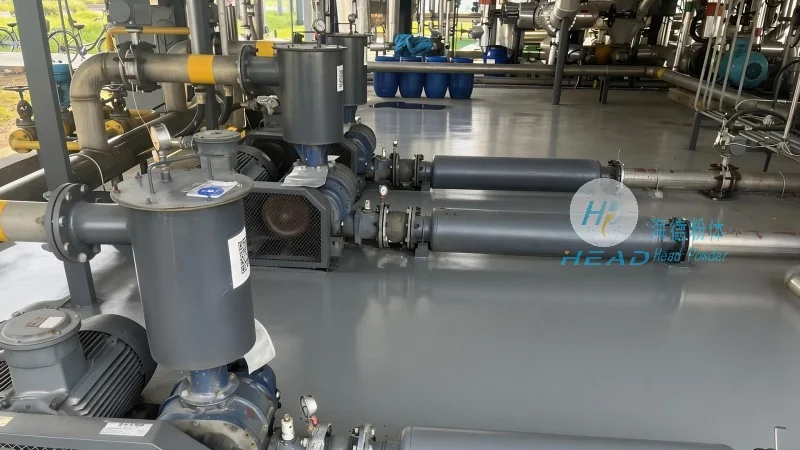
Basic Principle of Pneumatic Conveying
Pneumatic conveying, also known as air conveying, is a method of transporting bulk solid materials, like PVC granules, using a flowing stream of air. The fundamental principle involves creating a pressure differential between the conveying line and the ambient environment. By introducing compressed air into the system, the air flow generates sufficient velocity to lift and move the PVC granules through the pipeline. This process eliminates the need for mechanical components like belts or buckets, reducing wear and maintenance costs while ensuring a clean and dust-free operation.
System Components and Their Roles
The PVC granule pneumatic conveying system typically consists of several key components, each playing a critical role in the overall operation. The primary components include the material feeder, which introduces the PVC granules into the conveying line; the conveying pipeline, which transports the material; the air supply system, which provides the necessary compressed air; the separation and collection unit, which separates the material from the air; and the air filtration system, which cleans the exhaust air.
HeadPowder’s engineering expertise ensures that each component is optimized for the specific characteristics of PVC granules. For instance, the material feeder is designed to handle the bulk density and flow properties of PVC, preventing blockages and ensuring a consistent feed rate. The conveying pipeline is constructed from materials resistant to the chemical properties of PVC, such as PVC or stainless steel, to avoid corrosion and material degradation. The separation unit uses cyclonic or bag filter technology to efficiently separate the granules from the air stream, minimizing material loss and maintaining product purity.
How the System Works: Step-by-Step Operation
The operation of a PVC granule pneumatic conveying system follows a sequential process that ensures smooth and continuous material transport. The process begins with the PVC granules being fed into the system through the material feeder. The feeder may use a rotary valve or a screw feeder to control the flow rate, ensuring a steady supply of material into the conveying line.
Once the granules enter the pipeline, the compressed air is introduced at the inlet of the conveying line. The high-velocity air stream creates a negative pressure within the line, which draws the granules along with the air. The air flow velocity is carefully controlled to match the aerodynamic properties of the PVC granules, ensuring that the particles are fully entrained and transported without separation or deposition.
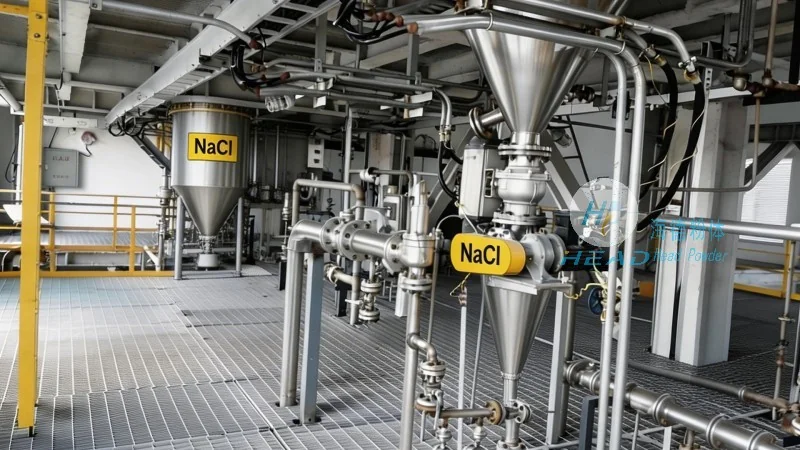
As the mixture travels through the pipeline, it reaches the separation unit. Here, the air and granules are separated by a cyclone or a bag filter. The air, now clean, is discharged to the atmosphere, while the PVC granules are collected in a hopper or a storage tank. The separation efficiency is critical to maintaining product quality and preventing contamination from the air stream.
The final stage involves the collection of the PVC granules in a designated container. HeadPowder’s systems are designed to ensure that the granules are discharged smoothly and without spillage, maintaining the integrity of the material for downstream processing.
Advantages of Pneumatic Conveying for PVC Granules
Compared to traditional mechanical conveying methods, pneumatic conveying offers several advantages when handling PVC granules. One of the most significant benefits is the elimination of dust and contamination, as the material is enclosed within the pipeline. This is particularly important for PVC, which is sensitive to moisture and contaminants that can affect its properties. Additionally, pneumatic systems provide a clean and hygienic environment, making them suitable for food-grade or pharmaceutical applications where product purity is paramount.
Another advantage is the ability to transport PVC granules over long distances with minimal loss. The pressurized air stream ensures that the material remains suspended and moves efficiently, reducing the risk of material degradation or clogging. Furthermore, pneumatic conveying systems are highly flexible, allowing for changes in the conveying route or capacity without major modifications to the infrastructure.
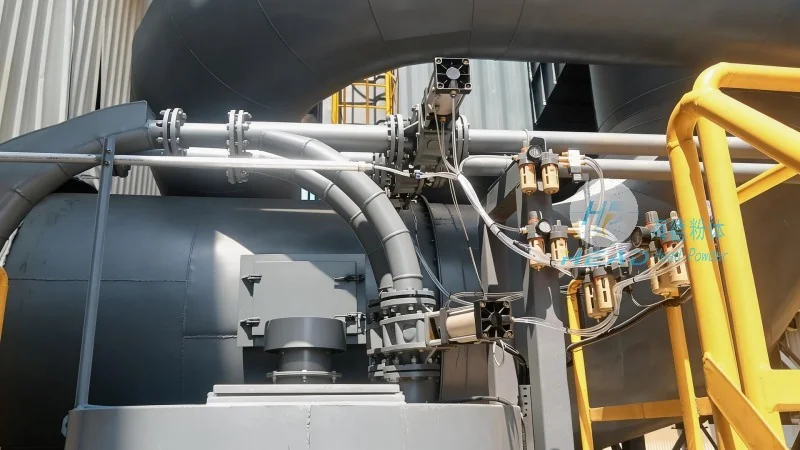
HeadPowder’s pneumatic conveying systems are also designed for energy efficiency. By optimizing the air flow and pressure, the systems minimize energy consumption while maintaining optimal conveying performance. This not only reduces operational costs but also aligns with sustainability goals in the industry.
Applications and Industry Use Cases
PVC granule pneumatic conveying systems are widely used in various industries that rely on PVC as a raw material. These include the manufacturing of PVC pipes, profiles, and sheets, as well as in the production of PVC-based composites and coatings. The consistent and reliable transport of PVC granules is essential for maintaining production efficiency and ensuring product quality in these applications.
In the PVC pipe manufacturing industry, for example, pneumatic conveying is used to transport granules from storage silos to the extrusion lines. The system ensures a continuous supply of material, reducing downtime and improving overall production throughput. Similarly, in the PVC profile industry, the conveying system delivers granules to the molding machines, enabling seamless production of various PVC products.
HeadPowder’s expertise in customizing pneumatic systems allows them to address the specific needs of different industries. Whether it's handling large volumes of PVC granules or transporting material over long distances, their solutions are tailored to meet the unique requirements of each application.
Conclusion
Understanding the principle of PVC granule pneumatic conveying equipment is essential for industries seeking efficient, clean, and reliable material handling solutions. HeadPowder, with its headquarters in Shandong, China, has established itself as a leader in the design and manufacturing of such systems. By leveraging advanced engineering and material science, HeadPowder ensures that their pneumatic conveying systems meet the highest standards of performance, reliability, and sustainability. For businesses in the PVC industry, investing in a well-designed pneumatic conveying system is a strategic decision that enhances operational efficiency and product quality.