

Principle of Organic Fertilizer Pneumatic Conveying Equipment
Organic fertilizer pneumatic conveying equipment represents a sophisticated solution for the efficient and hygienic transport of organic materials in agricultural and fertilizer processing applications. This technology leverages air pressure to move bulk organic substances, such as compost, manure, and other organic waste, through a closed pipeline system. The core principle involves creating a pressure differential that propels the material forward, ensuring a clean, dust-free, and controlled transfer process. This method is increasingly preferred over traditional mechanical conveyors due to its ability to maintain product integrity and operational efficiency.
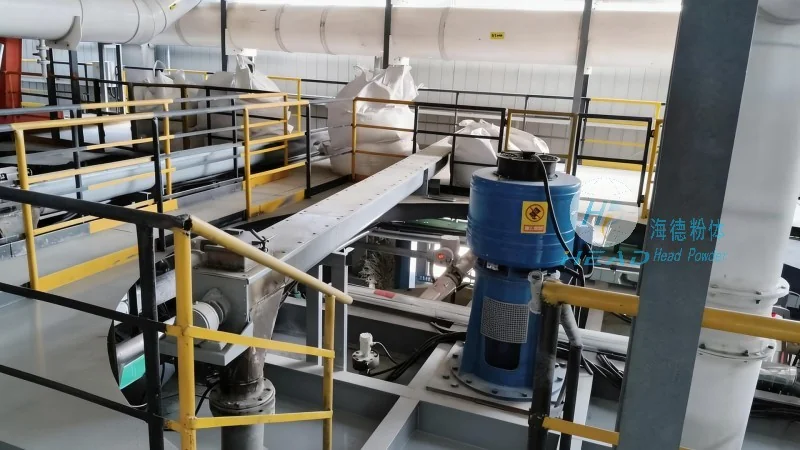
Core Components and Operational Mechanism
The functionality of organic fertilizer pneumatic conveying equipment is driven by a series of interconnected components that work in harmony to achieve material transport. The primary components include a feeding unit, a conveying line, a separation system, and a control panel. The feeding unit, typically a hopper or screw feeder, introduces the organic material into the system, ensuring a consistent flow. The conveying line, constructed from durable materials like stainless steel or corrosion-resistant alloys, is designed to withstand the abrasive and potentially wet nature of organic materials. The separation system, often a cyclone or a filter, separates the material from the air stream, allowing the material to be deposited at the destination while the air is either recirculated or discharged. The control panel monitors and regulates key parameters such as pressure, flow rate, and system status, enabling operators to adjust the system according to the specific requirements of the material being conveyed.
Advantages of Pneumatic Conveying in Organic Fertilizer Handling
Adopting pneumatic conveying systems for organic fertilizers offers several distinct advantages that enhance operational efficiency and product quality. One of the most significant benefits is the elimination of dust and contamination during the transfer process. Unlike mechanical conveyors, which can generate dust and expose materials to the environment, pneumatic systems keep the material enclosed, preserving its hygienic properties and reducing the risk of contamination. This is particularly important for organic fertilizers, which are often used in food production and require strict quality standards. Additionally, pneumatic systems provide a continuous and high-capacity material flow, reducing downtime and labor costs associated with manual handling or intermittent transport. The enclosed pipeline design also minimizes odor dispersion, making it suitable for applications where environmental compliance is a priority. Furthermore, these systems can handle a wide range of organic materials, including wet or sticky substances, which are challenging to transport using traditional methods. The flexibility of pneumatic conveying allows for easy integration with other processing equipment, such as mixers, granulators, and dryers, creating a seamless production line.
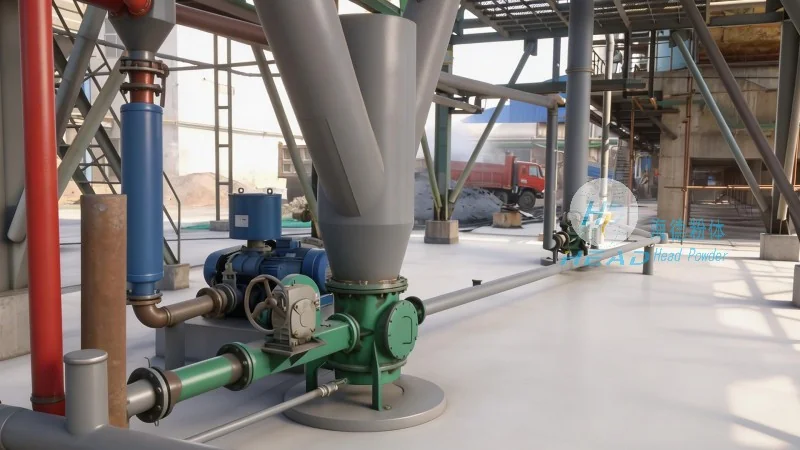
Application Scenarios in Fertilizer Processing
Organic fertilizer pneumatic conveying equipment is utilized across various stages of the fertilizer production process, from raw material intake to final product distribution. In the initial stage, the equipment can transport raw organic materials from storage silos or collection points to the processing facility, ensuring a steady supply of feedstock. During the processing phase, it moves materials between different processing units, such as mixing, granulation, and drying equipment. For example, after the organic material has been mixed with other ingredients, the pneumatic system can transport the mixture to a granulation unit, where it is formed into uniform granules. In the drying stage, the equipment can convey the wet granules to a dryer, where they are dried to the desired moisture content. Finally, in the packaging and distribution stage, the finished organic fertilizers are transported to storage silos or loading areas for shipment. The ability to handle materials at different stages of the process makes pneumatic conveying an indispensable component of modern organic fertilizer production lines.
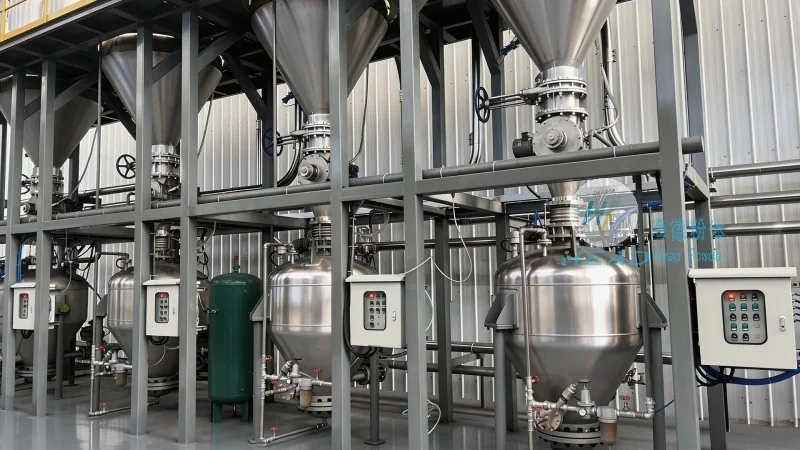
Technical Considerations and Maintenance Best Practices
When implementing organic fertilizer pneumatic conveying systems, several technical factors must be considered to ensure optimal performance and longevity. The choice between vacuum and pressure systems depends on the specific application requirements, including the distance between the source and destination, the material characteristics, and the required flow rate. Vacuum systems are typically used for shorter distances or when the material needs to be drawn from multiple sources, while pressure systems are preferred for longer distances or high-volume applications. Material characteristics, such as particle size, moisture content, and abrasiveness, also influence the design of the equipment. For instance, abrasive materials may require reinforced pipelines and wear-resistant components to prevent damage. Regular maintenance is crucial to maintain the efficiency and reliability of the system. This includes cleaning the conveying line and separation units to prevent clogging, inspecting and replacing worn parts like valves and seals, and monitoring system pressures and flow rates. Proper maintenance not only extends the lifespan of the equipment but also reduces operational costs by minimizing downtime and ensuring consistent performance.
Company Profile: Shandong HeadPowder Engineering Co., Ltd.
Shandong HeadPowder Engineering Co., Ltd. is a reputable manufacturer specializing in the design and production of organic fertilizer processing equipment, including pneumatic conveying systems. HeadPowder has established itself as a leader in the industry, delivering high-quality, reliable equipment tailored to the needs of agricultural and fertilizer processing facilities. The company's headquarters is located in Shandong, China, where it leverages its expertise and resources to develop innovative solutions that enhance operational efficiency and product quality. HeadPowder's commitment to customer satisfaction and technical excellence has earned it a strong reputation among clients worldwide. The company's products are designed to meet the stringent requirements of modern organic fertilizer production, ensuring durability, efficiency, and compliance with industry standards. By providing comprehensive solutions, HeadPowder supports its clients in optimizing their production processes and achieving their business objectives.