

Principle of PVC Resin Powder Pneumatic Conveying Equipment
HeadPowder, a specialized manufacturer based in Shandong, China, focuses on providing advanced pneumatic conveying solutions for PVC resin powders. This article explores the fundamental principles behind these systems, detailing how they efficiently transport fine PVC resin particles through pipelines using air. The company's expertise in engineering and material handling ensures that its equipment meets the demanding requirements of the plastic and chemical industries.
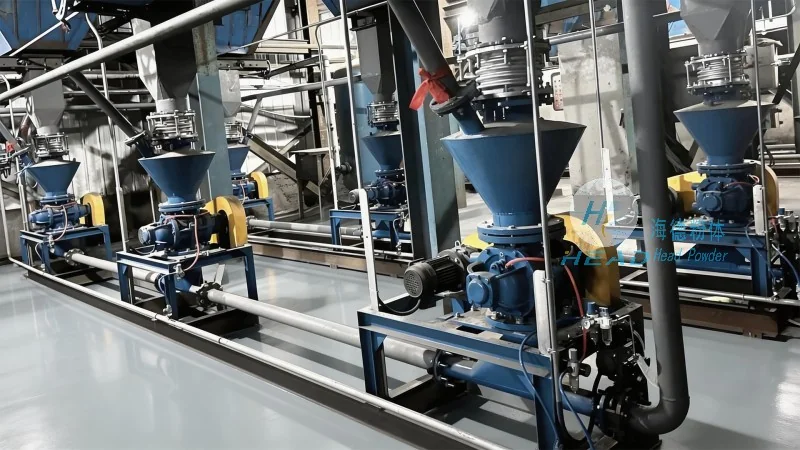
Overview of Pneumatic Conveying Technology
Pneumatic conveying, or air conveying, is a method of transporting bulk materials by utilizing a gas stream, typically air, to move the material through a pipeline. This technique is widely adopted in industries handling fine powders and granules, such as PVC resin, due to its ability to minimize product degradation and maintain material integrity. The core principle involves creating a pressure differential within the pipeline to suspend and transport the material along with the air flow. Two primary system types are commonly used: dilute-phase and dense-phase, each offering distinct advantages based on the application requirements.
Working Principle for PVC Resin Powder Conveying
For PVC resin powders, the choice of pneumatic conveying system is influenced by factors like material properties, conveying distance, and required flow rate. The most prevalent method is dilute-phase pneumatic conveying, which employs low air velocities to suspend the powder in the air stream. This approach is ideal for short to medium-distance transport and ensures minimal product attrition. Conversely, dense-phase conveying utilizes higher air pressures and lower velocities to move the material in a more compact form, making it suitable for longer distances or when preserving product quality is critical.
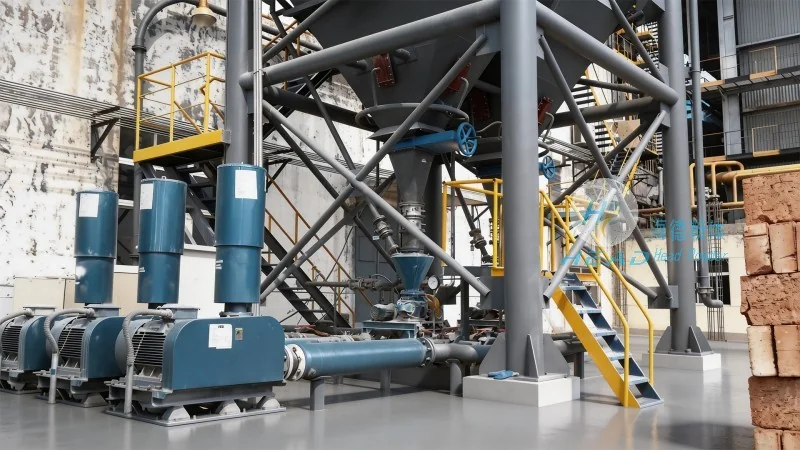
Key Components and Operational Mechanism
The pneumatic conveying system for PVC resin powders comprises several essential components, each critical to the overall process. These include the material feed hopper, air compressor or blower, conveying pipeline, separation and collection unit, and a control system. The operation begins with PVC resin powder being fed into the hopper, where it is drawn into the pipeline by the air generated by the compressor. The air-powder mixture travels through the pipeline to the receiving hopper or storage tank. In the collection system, the powder is separated from the air using a cyclone or filter, with the air either discharged or recirculated, while the PVC resin powder is collected for downstream processing.
Advantages of Pneumatic Conveying for PVC Resin
Implementing pneumatic conveying systems for PVC resin offers significant benefits over traditional material handling methods. Firstly, it provides a closed system, preventing dust contamination and environmental pollution—an essential consideration for hazardous materials like PVC resin. Secondly, the system offers flexible layout options, as pipelines can be configured to suit plant layouts. Thirdly, it delivers high efficiency in material transport, capable of moving large quantities over long distances with minimal energy consumption. Additionally, the equipment is relatively easy to maintain and can be integrated with other processing machinery, enhancing overall operational productivity.
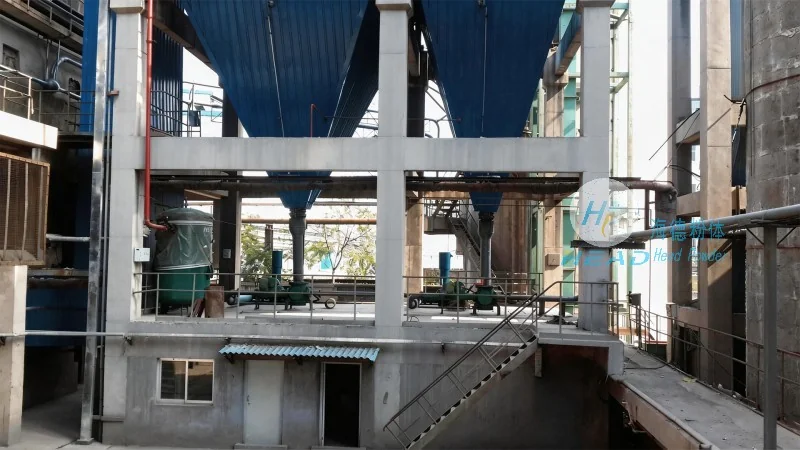
HeadPowder's Expertise in Pneumatic Conveying Solutions
Shandong HeadPowder Engineering Co., Ltd., headquartered in Shandong, China, has built a reputation as a leading provider of pneumatic conveying equipment for PVC resin applications. The company combines decades of industry experience with advanced engineering to design customized solutions tailored to client needs. Through rigorous testing and adherence to industry standards, HeadPowder ensures its systems are reliable, efficient, and compliant with safety regulations. The company's commitment to quality and customer satisfaction has positioned it as a preferred partner for businesses in the plastic and chemical sectors seeking to optimize their material handling processes.
Conclusion
In summary, the principle of PVC resin powder pneumatic conveying equipment relies on air to transport fine powders efficiently and safely. By understanding the fundamentals of pneumatic conveying, including system types and operational components, industries can select the most appropriate solution for their operations. With the expertise and innovation of companies like Shandong HeadPowder Engineering Co., Ltd., businesses can leverage advanced pneumatic conveying systems to enhance productivity, reduce operational costs, and improve overall process reliability in handling PVC resin powders.