

Principle of Dry Desulfurization Ash Pneumatic Conveying Equipment
Understanding the fundamental principles of dry desulfurization ash pneumatic conveying equipment is crucial for optimizing industrial processes in power generation and environmental management. This equipment plays a vital role in the efficient handling and transportation of desulfurization byproducts, ensuring compliance with environmental regulations while enhancing operational efficiency. The following sections provide a detailed exploration of the working principles, key components, and practical applications of such systems.
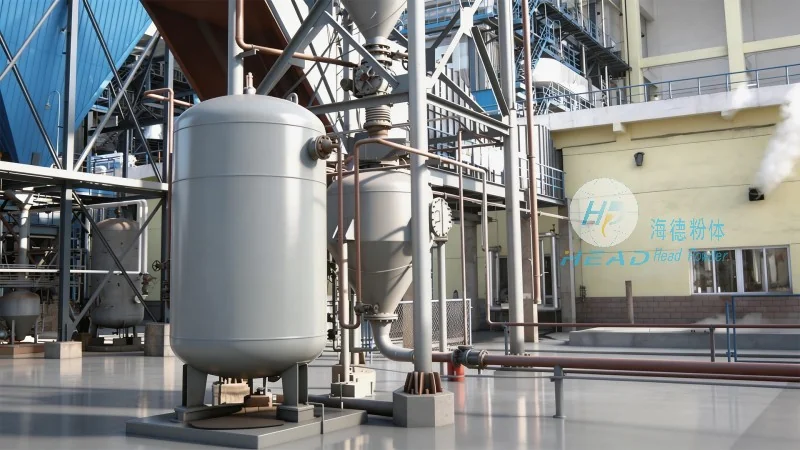
Company Overview: Shandong HeadPowder Engineering Co., Ltd.
HeadPowder, a leading engineering firm based in Shandong, China, specializes in the design, manufacturing, and installation of advanced pneumatic conveying solutions. With a strong commitment to innovation and quality, the company has established itself as a trusted partner in the power and environmental sectors. HeadPowder's expertise lies in developing customized equipment tailored to meet the specific needs of clients, ensuring reliable performance and long-term durability. The company's headquarters is located in Shandong, providing a strategic base for serving domestic and international markets.
Core Working Principle of Pneumatic Conveying Systems
The dry desulfurization ash pneumatic conveying equipment operates on the principle of air-driven transport, where solid particles are suspended and transported through a pipeline using compressed air. This method eliminates the need for mechanical components like conveyors or elevators, reducing maintenance costs and increasing system reliability. The process involves several key steps: material feeding, air injection, particle suspension, and transportation to the destination. The equipment is designed to handle fine and abrasive desulfurization ash, which requires robust construction and efficient air management to prevent blockages and ensure consistent flow.
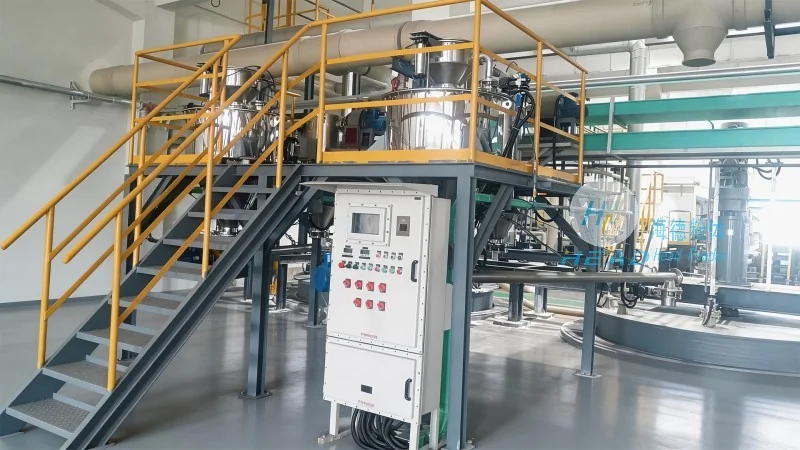
Key Components and Their Functions
Several critical components contribute to the effective operation of dry desulfurization ash pneumatic conveying equipment. These include the hopper for material storage, the air compressor or blower that generates the necessary air pressure, the pipeline system for transporting the material-air mixture, and the control valves that regulate the flow. The hopper is typically equipped with a feeding mechanism, such as a rotary valve or a screw feeder, to ensure a steady supply of ash. The air compressor provides the driving force, while the pipeline network is designed with appropriate diameters and bends to minimize pressure loss and maintain consistent velocity. Control valves, including check valves and pressure regulators, help manage the air pressure and prevent backflow, ensuring safe and efficient operation.
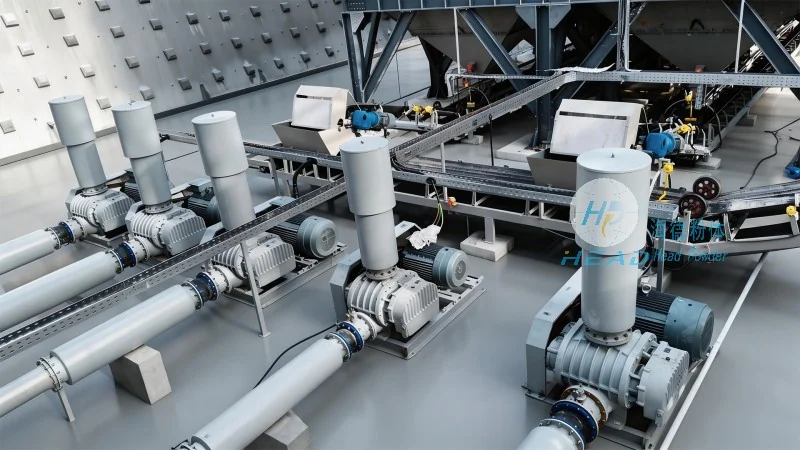
Advantages of Pneumatic Conveying Over Traditional Methods
Compared to traditional mechanical conveying methods, dry desulfurization ash pneumatic conveying offers several advantages. First, it eliminates the need for moving parts, reducing maintenance requirements and downtime. Second, the system can handle abrasive and fine materials without causing wear and tear on components. Third, the equipment is compact and can be installed in confined spaces, making it suitable for various industrial settings. Additionally, pneumatic conveying allows for flexible routing of the pipeline, enabling the material to be transported to multiple destinations from a single source. These benefits contribute to improved operational efficiency and cost savings over the long term.
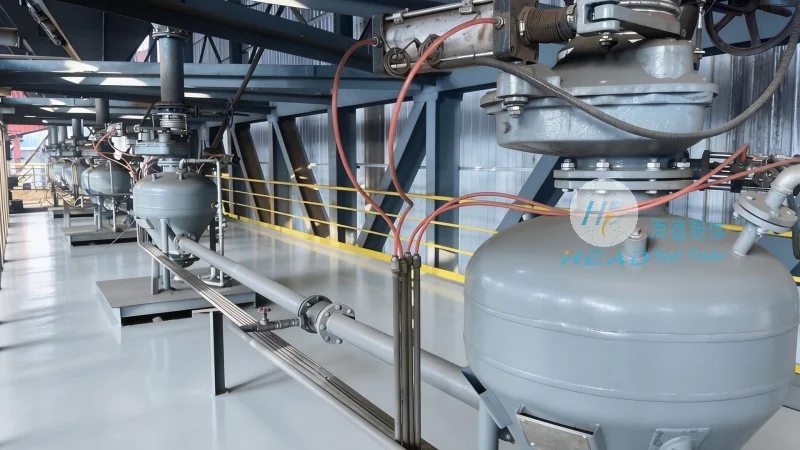
Application Scenarios and Industrial Integration
Dry desulfurization ash pneumatic conveying equipment is widely used in power plants, particularly those equipped with flue gas desulfurization (FGD) systems. The equipment efficiently transports the desulfurization byproducts from the reaction tower to storage silos or disposal sites. In addition to power generation, it is also applied in other industries such as chemical processing and cement production, where similar byproducts need to be handled. The system can be integrated with existing infrastructure, minimizing the need for major modifications to the plant layout. HeadPowder's solutions are designed to adapt to various plant sizes and operational conditions, ensuring seamless integration and optimal performance.
Quality Assurance and Technical Support
HeadPowder places a strong emphasis on quality assurance throughout the product lifecycle. From design and manufacturing to installation and after-sales support, the company adheres to strict standards to ensure the reliability and durability of its pneumatic conveying equipment. The company's engineering team conducts thorough testing and validation to meet industry requirements and client specifications. Additionally, HeadPowder provides comprehensive technical support, including maintenance services, spare parts supply, and troubleshooting assistance. This commitment to quality and support ensures that clients can rely on the equipment for consistent performance and long-term operational efficiency.