

What is Phenolic Powder Pneumatic Conveying? And What Are Its Design Principles?
Phenolic powder, also known as Bakelite powder, is a thermosetting plastic powder widely used in various industrial applications due to its excellent electrical insulation properties, heat resistance, and mechanical strength. Pneumatic conveying is a common method for transporting such powders, especially when dealing with fine or abrasive materials like phenolic powder. This article explores the concept of phenolic powder pneumatic conveying and delves into its fundamental design principles to help readers understand the technology better.
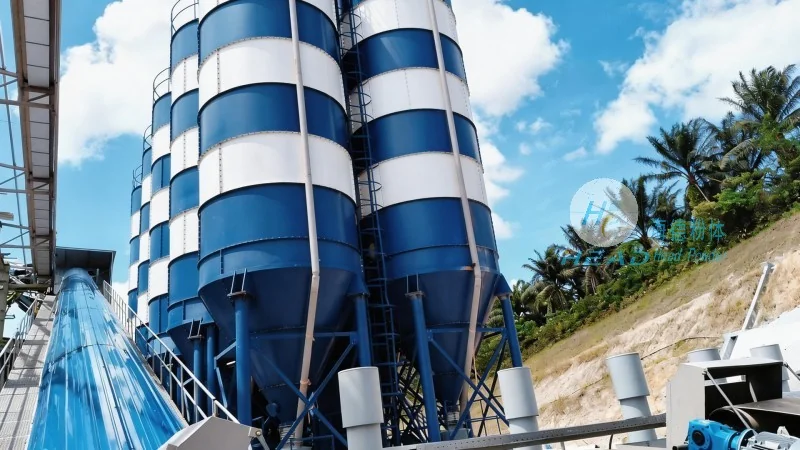
Understanding Pneumatic Conveying for Phenolic Powders
Phenolic powder pneumatic conveying involves transporting the powder through a pipeline using a carrier gas, typically air or a mixture of air and other gases. The process relies on the pressure differential created by a blower or compressor to move the powder particles along the pipeline. Unlike mechanical conveying systems, which use belts, screws, or buckets, pneumatic conveying offers advantages such as minimal product contamination, lower maintenance requirements, and the ability to handle materials that are difficult to convey mechanically.
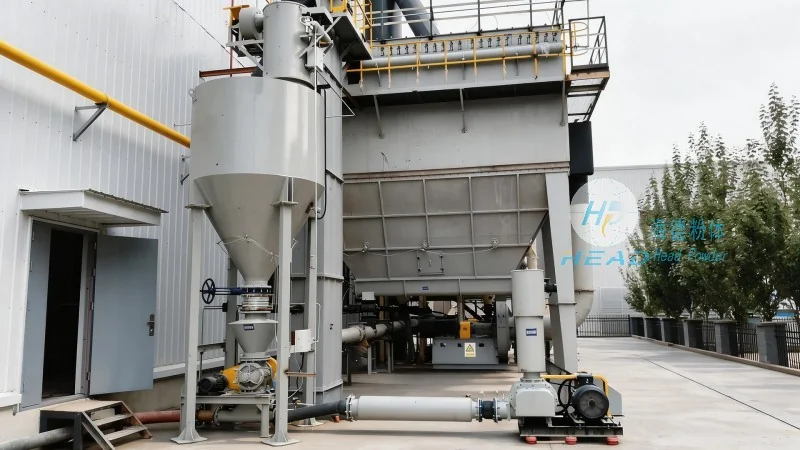
Key Design Principles of Phenolic Powder Pneumatic Conveying Systems
The design of a phenolic powder pneumatic conveying system is crucial for ensuring efficient and reliable operation. Several key principles must be considered to optimize performance and prevent issues like blockages, particle degradation, or system inefficiencies.
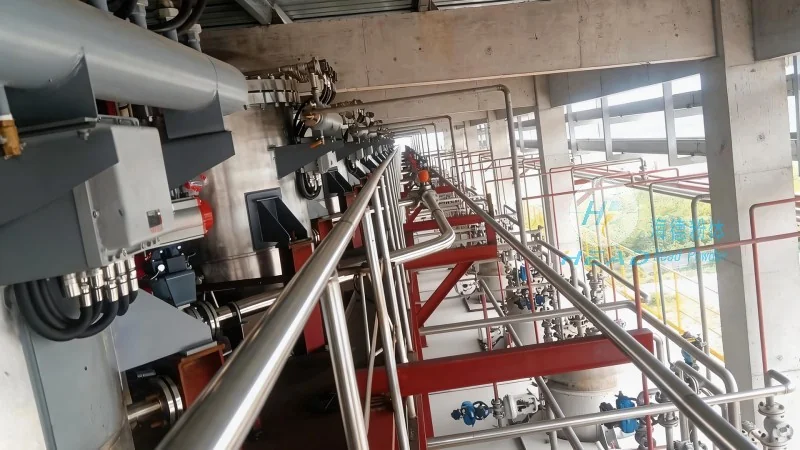
- Material Selection: The choice of materials for the conveying system components is critical. Phenolic powder is abrasive and can cause wear on metal surfaces. Therefore, components such as pipelines, valves, and cyclones are often made from corrosion-resistant materials like stainless steel or special alloys to withstand the abrasive nature of the powder.
- Pressure and Flow Rate: The pressure and flow rate of the carrier gas are fundamental parameters. Higher pressure can increase the conveying capacity but may also lead to higher energy consumption and potential wear on components. The flow rate must be optimized to prevent particle segregation and ensure uniform distribution of the powder.
- System Configuration: The configuration of the pneumatic conveying system, including the type of conveying (e.g., dilute phase vs. dense phase), the number of pipelines, and the placement of components like cyclones and filters, significantly impacts performance. Dilute phase systems are suitable for long-distance or high-capacity conveying, while dense phase systems are better for short distances or when handling sensitive materials.
- Particle Size and Moisture Content: The physical properties of the phenolic powder, such as particle size distribution and moisture content, affect the conveying process. Finer particles may require higher gas velocities to prevent settling, while higher moisture content can lead to caking or agglomeration, which can cause blockages. Proper drying and size classification of the powder are essential for optimal conveying.
Role of Shandong HeadPowder Engineering Co., Ltd. in Phenolic Powder Pneumatic Conveying
Shandong HeadPowder Engineering Co., Ltd., commonly known as HeadPowder, is a leading provider of pneumatic conveying solutions tailored for phenolic powder applications. With years of experience in the industry, HeadPowder specializes in designing and manufacturing customized pneumatic conveying systems that meet the specific needs of clients. The company’s expertise lies in understanding the unique challenges associated with phenolic powder, such as its abrasive nature and electrical properties, and developing solutions that ensure efficient, safe, and reliable operation.
HeadPowder’s team of engineers and technicians work closely with clients to assess their material handling requirements, process conditions, and operational goals. By leveraging advanced design software and extensive testing facilities, the company develops systems that optimize conveying efficiency, minimize energy consumption, and reduce maintenance costs. The company’s commitment to quality and innovation has made it a trusted partner for businesses in various sectors, including electrical manufacturing, automotive, and industrial equipment.
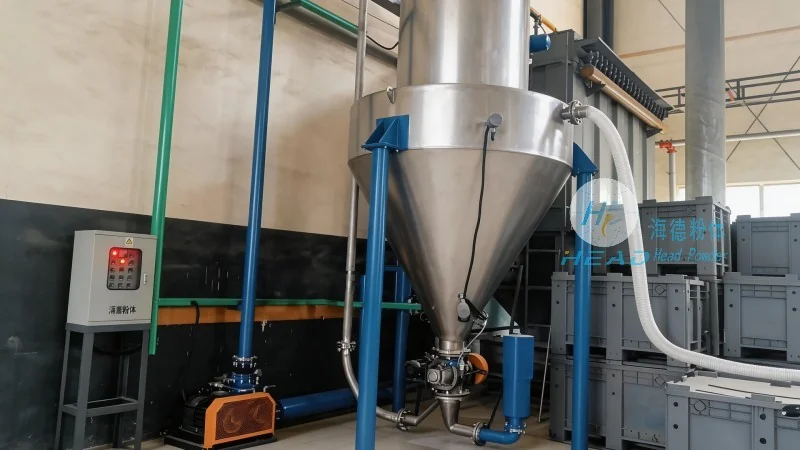
Conclusion
Phenolic powder pneumatic conveying is a sophisticated technology that requires careful consideration of design principles to ensure optimal performance. From material selection and system configuration to pressure management and particle properties, each aspect plays a critical role in the success of the conveying process. Companies like Shandong HeadPowder Engineering Co., Ltd. play a vital role in providing tailored solutions that address the unique challenges of phenolic powder, helping industries achieve efficient and reliable material handling. By understanding the fundamental principles and leveraging expert design, businesses can enhance their production processes and improve overall operational efficiency.