

What is a Small Bag Unpacking Pneumatic Conveying System? What Are Its Design Principles?
A small bag unpacking pneumatic conveying system is a specialized industrial equipment designed to efficiently handle and transport bulk materials from sealed bags into processing or storage systems. This technology is widely used in various industries such as food processing, pharmaceuticals, chemicals, and agriculture, where maintaining product purity and preventing contamination is critical. The system integrates several key components, including a bag opener, a hopper, a pneumatic conveyor, and a control unit, working together to automate the material transfer process.
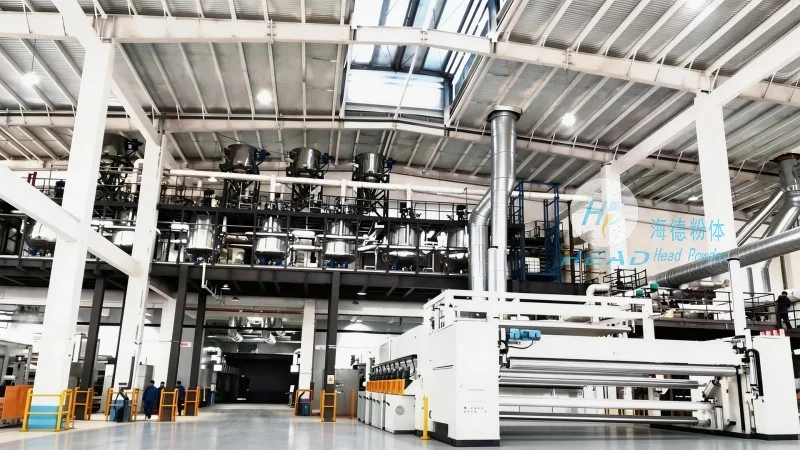
Key Components and Their Functions
The effectiveness of a small bag unpacking pneumatic conveying system relies on the proper integration of its core components. The bag opener is responsible for safely and hygienically opening the sealed bags without damaging the material inside. It may use mechanical or pneumatic mechanisms to cut or tear the bag open. The hopper, positioned below the bag opener, collects the material as it is discharged from the bag. The hopper is typically designed with a smooth interior to prevent material buildup and ensure consistent flow. The pneumatic conveyor, which can be either positive or negative pressure based on the application, transports the material from the hopper to the next processing stage. This component uses air to move the material through a pipeline, utilizing either pressure (positive) or vacuum (negative) to create the necessary force for material movement. The control unit manages the entire operation, coordinating the timing of bag opening, material discharge, and conveyor activation to ensure a seamless and continuous process.
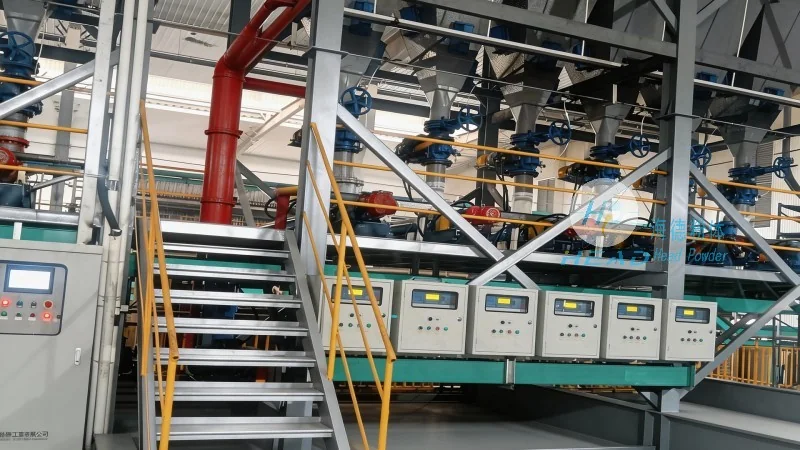
Design Principles and Operational Efficiency
The design principles of a small bag unpacking pneumatic conveying system are centered on maximizing efficiency, minimizing downtime, and ensuring product integrity. One of the primary design considerations is the material's properties, such as its density, flowability, and moisture content, which influence the choice of conveyor type and system configuration. For example, materials with high moisture content may require a positive pressure system to prevent clogging, while free-flowing powders might be suitable for negative pressure systems. Another critical design aspect is the system's capacity, which is determined by factors like the bag size, material flow rate, and conveyor line length. Engineers at Shandong HeadPowder Engineering Co., Ltd. carefully analyze these parameters to design a system that meets the specific needs of each client, ensuring optimal performance and reliability.
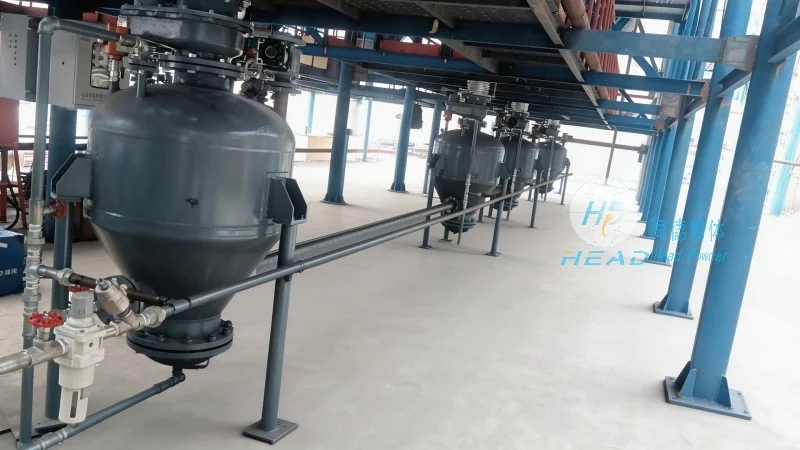
Advantages of Small Bag Unpacking Pneumatic Conveying Systems
Implementing a small bag unpacking pneumatic conveying system offers several advantages over traditional manual or mechanical bag emptying methods. Firstly, it significantly improves operational efficiency by automating the material transfer process, reducing the need for manual labor and minimizing the risk of human error. This automation leads to increased production throughput and lower labor costs. Secondly, the system enhances product quality and safety by maintaining a closed environment, preventing cross-contamination and exposure to dust or airborne particles. This is particularly important in industries like food and pharmaceuticals, where product purity is non-negotiable. Thirdly, the system reduces material waste by ensuring complete emptying of the bags, minimizing residual material left in the bag or hopper. This not only saves material costs but also contributes to environmental sustainability by reducing waste. Additionally, the compact design of these systems allows for easy integration into existing production lines, making them a versatile solution for various industrial applications.
Applications and Industry Use Cases
Small bag unpacking pneumatic conveying systems are versatile and can be applied to a wide range of industries and applications. In the food industry, they are commonly used for handling ingredients like flour, sugar, and spices, ensuring that the products remain fresh and free from contamination. In the pharmaceutical sector, these systems are employed to transfer active pharmaceutical ingredients (APIs) and excipients, maintaining the high standards of purity and consistency required for drug manufacturing. The chemical industry utilizes them for handling various powders and granules, such as catalysts and reagents, while the agricultural sector benefits from their ability to process bulk agricultural products like seeds and fertilizers. Each application may require specific modifications to the system, such as different bag opening mechanisms or conveyor line configurations, to accommodate the unique characteristics of the material being handled.
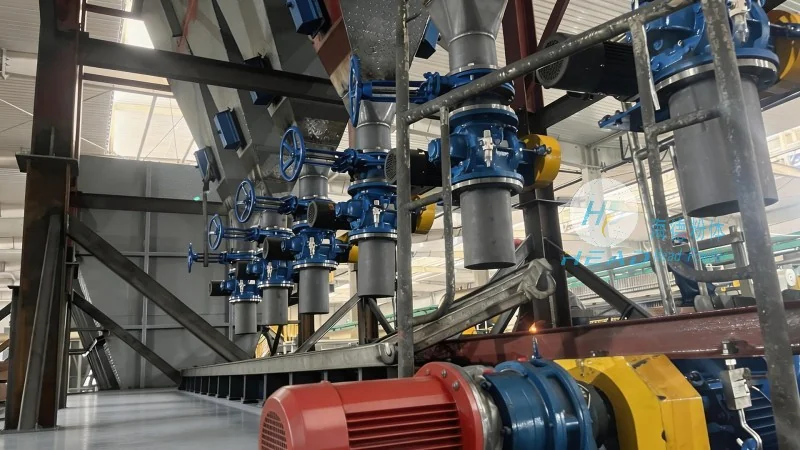
Customization and Integration Services by Shandong HeadPowder Engineering Co., Ltd.
Shandong HeadPowder Engineering Co., Ltd. specializes in providing customized small bag unpacking pneumatic conveying systems tailored to the specific needs of their clients. The company's engineers work closely with customers to understand their production requirements, material properties, and operational constraints, then design a system that optimizes performance and efficiency. The customization process includes selecting the appropriate bag opener type, determining the optimal hopper size and design, and configuring the pneumatic conveyor system to match the required flow rate and pressure. Shandong HeadPowder also offers integration services, ensuring that the new system seamlessly connects with existing production lines and control systems. This comprehensive approach helps clients achieve higher productivity, lower maintenance costs, and improved product quality. The company's commitment to quality and customer satisfaction is reflected in their rigorous testing and validation processes, which ensure that each system meets or exceeds industry standards before delivery.