

What is an Iron Sand Pneumatic Conveying System? What are its Design Principles?
Iron sand, also known as magnetite, is a critical raw material in industries such as steelmaking and chemical production. The efficient and reliable transportation of iron sand from its source to processing facilities is vital for maintaining production efficiency and reducing operational costs. This is where iron sand pneumatic conveying systems come into play, offering a solution that combines advanced engineering with practical application to meet the demands of modern industry.

Understanding the Core Concept of Iron Sand Pneumatic Conveying Systems
An iron sand pneumatic conveying system is a method of transporting iron sand particles through a pipeline using compressed air or other gas as the conveying medium. Unlike traditional mechanical conveyors, which rely on physical contact and mechanical movement, pneumatic systems use the force of air to move material through a sealed system. This approach is particularly advantageous for iron sand, which can be abrasive and prone to dust generation, as it minimizes direct contact with equipment and reduces the risk of material degradation or contamination.
The Fundamental Design Principles Behind Iron Sand Pneumatic Conveying
The design of an iron sand pneumatic conveying system is based on several key principles that ensure efficient and safe operation. The primary principle is the use of differential pressure to move material through the pipeline. Compressed air is introduced at one end of the system, creating a pressure differential that propels the iron sand particles forward. The system typically consists of a series of components, including a hopper for material storage, a feeder to control the flow rate, a pipeline network, and a receiver to collect the material at the destination. Each component is carefully engineered to optimize the conveying process, ensuring that the iron sand is transported with minimal loss and maximum efficiency.
Key Components and Their Functions in an Iron Sand Pneumatic Conveying System
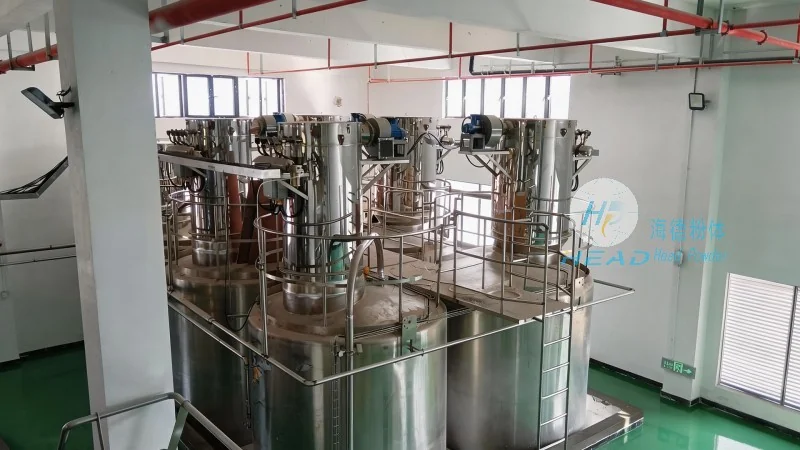
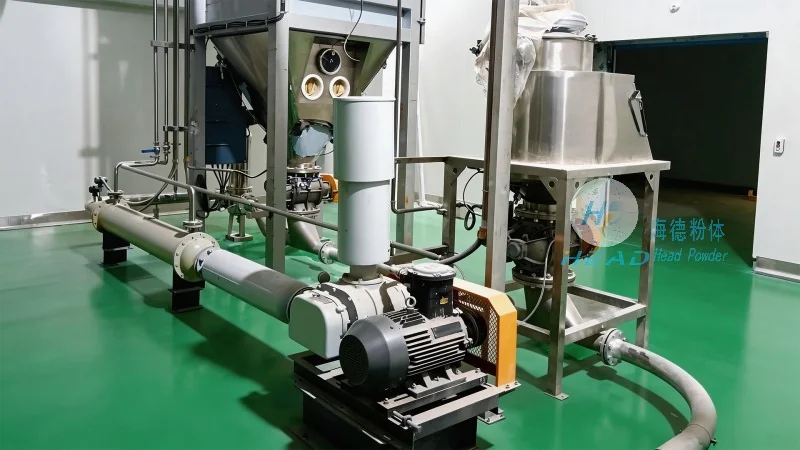
The effectiveness of an iron sand pneumatic conveying system depends on the proper integration and operation of its key components. The hopper serves as the storage vessel, holding the iron sand and providing a consistent feed to the feeder. The feeder, often a rotary valve or a screw feeder, regulates the flow rate of the material, preventing overloading or underloading of the system. The pipeline network is constructed from materials that can withstand the abrasive nature of iron sand, such as stainless steel or special alloys, to prevent wear and tear. The receiver is designed to collect the material at the processing facility, ensuring that it is delivered in a clean and controlled manner. Additionally, the system may include filters and cyclones to separate any entrained air or dust from the iron sand, maintaining the purity of the material and protecting the equipment from damage.
Advantages of Using Iron Sand Pneumatic Conveying Systems
Implementing an iron sand pneumatic conveying system offers several advantages over traditional conveying methods. One of the most significant benefits is the reduction in labor costs, as the system operates automatically with minimal human intervention. This also leads to increased safety, as there is no need for workers to handle or transport the iron sand manually, reducing the risk of accidents and injuries. Furthermore, pneumatic systems are highly flexible, allowing for easy reconfiguration of the pipeline network to accommodate changes in production requirements or facility layout. The sealed nature of the system also minimizes dust emissions, contributing to a cleaner and more environmentally friendly operation. These advantages make iron sand pneumatic conveying systems a preferred choice for many industrial applications.
Application Examples and Industry Impact
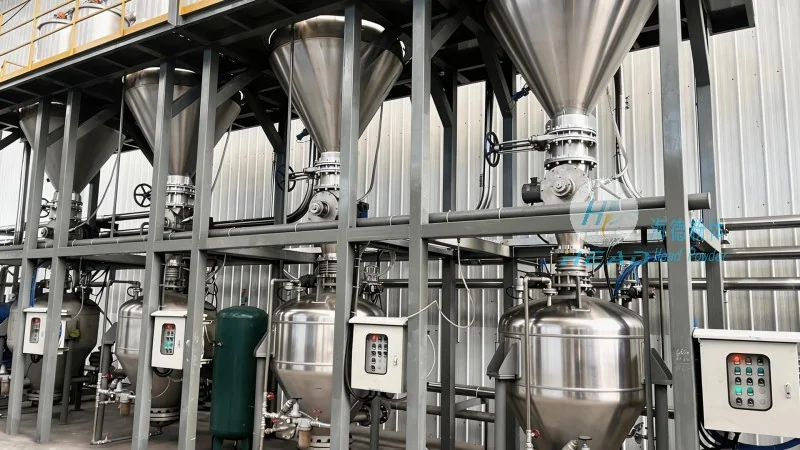
Iron sand pneumatic conveying systems are widely used in various industries that rely on iron sand as a raw material. In the steel industry, for example, these systems are used to transport iron sand from storage facilities to blast furnaces or other processing units. In the chemical industry, they are employed to move iron sand to reactors or other processing equipment. The consistent and reliable delivery of iron sand through pneumatic systems ensures that production processes run smoothly and efficiently, reducing downtime and increasing overall productivity. The use of such systems has become standard practice in many facilities, as they provide a cost-effective and efficient solution to the challenges of material transportation.
Conclusion: The Role of Iron Sand Pneumatic Conveying Systems in Modern Industry
In conclusion, iron sand pneumatic conveying systems represent a sophisticated and effective solution for the transportation of iron sand in industrial settings. By leveraging the principles of pneumatic conveying, these systems offer numerous benefits, including increased efficiency, reduced costs, and enhanced safety. The design and implementation of such systems require careful consideration of the material properties, operational requirements, and environmental factors. As industrial processes continue to evolve, the demand for reliable and efficient material handling solutions will remain high, making iron sand pneumatic conveying systems an essential component of modern industry. The expertise and experience of companies like Shandong HeadPowder Engineering Co., Ltd. play a crucial role in designing and installing these systems, ensuring that they meet the specific needs of their clients and contribute to the success of their operations.