

What is a Sodium Phosphate Pneumatic Conveying System? And What Are Its Design Principles?
Sodium phosphate is a widely used chemical in various industries, including food processing, pharmaceuticals, and industrial applications. The efficient and safe transportation of this material is crucial for maintaining production efficiency and ensuring product quality. Pneumatic conveying systems offer a reliable solution for handling sodium phosphate, especially in applications where dust control and material integrity are paramount.
Design Principles of Pneumatic Conveying Systems
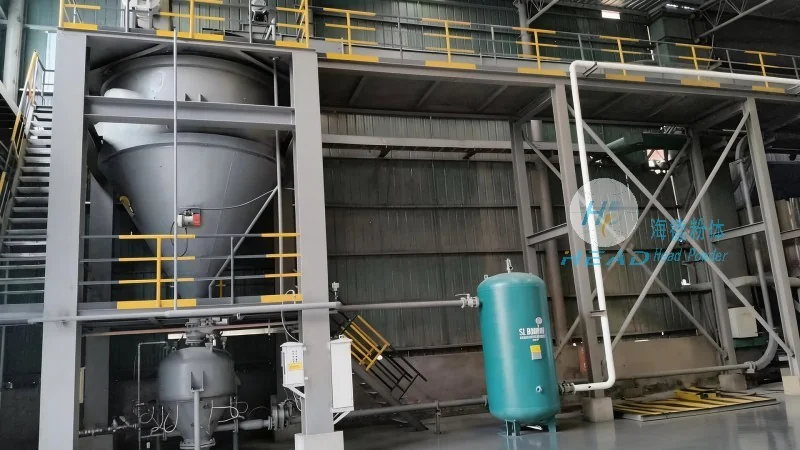
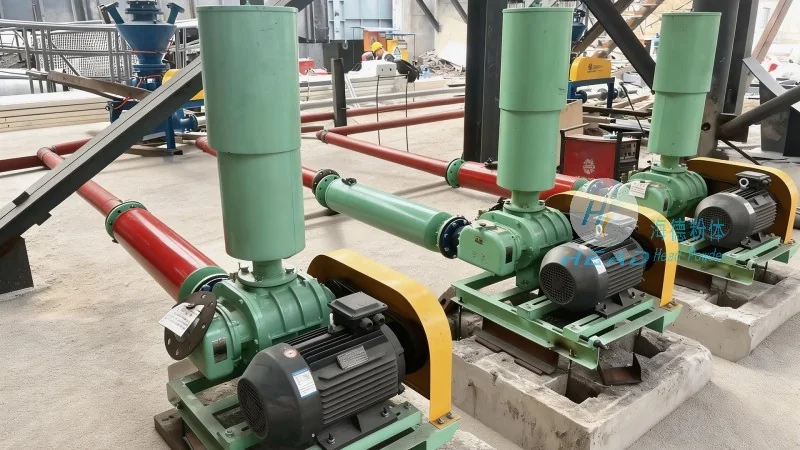
The design of a pneumatic conveying system for sodium phosphate involves several key principles to ensure optimal performance and reliability. The primary design considerations include the material's properties, such as particle size, density, and flowability, as well as the system's operating pressure and flow rate. The system typically consists of a hopper or feeder to feed the material into the pipeline, a compressor to generate the necessary air pressure, and a series of pipelines with appropriate diameter and length to transport the material to the destination.
Key Components and Their Functions
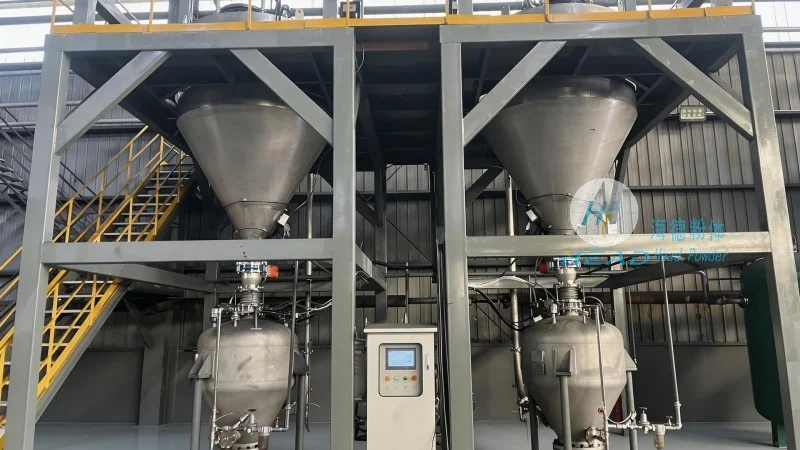
Key components of a sodium phosphate pneumatic conveying system include the material feeder, which ensures a consistent flow of powder into the system; the air compressor, which provides the pressure needed to move the material; and the pipeline network, which includes elbows, tees, and other fittings to direct the material flow. The system may also include a filter or separator to remove any excess air or fine particles from the material before it is discharged.
Operation Process and Flow Dynamics
The operation of a sodium phosphate pneumatic conveying system involves several steps. First, the sodium phosphate is loaded into the hopper or feeder. The feeder then releases the material into the pipeline at a controlled rate. The air compressor then generates compressed air, which is introduced into the pipeline at the inlet of the feeder. The air flow creates a vacuum or pressure differential that pulls the material through the pipeline. The material is then transported to the discharge point, where it is collected in a container or used directly in the next production step.
Advantages of Pneumatic Conveying for Sodium Phosphate
Compared to other conveying methods, pneumatic conveying systems offer several advantages for handling sodium phosphate. These include reduced dust exposure, as the material is contained within the pipeline, and improved material integrity, as the system minimizes contact with external elements. Additionally, pneumatic systems can handle long distances and multiple destinations, making them suitable for complex production layouts. The flexibility of the system allows for easy integration with existing production lines and can be adjusted to accommodate changes in material flow rates or production demands.
Applications in Different Industries
Sodium phosphate pneumatic conveying systems are commonly used in industries where the handling of fine powders is critical. For example, in food processing, they are used to transport sodium phosphate for use as a food additive or in the production of beverages. In pharmaceuticals, the system ensures the safe and hygienic transport of sodium phosphate used in drug formulations. In industrial applications, such as chemical manufacturing, the system is used to handle sodium phosphate as a raw material for various chemical processes.
Maintenance and Operational Considerations
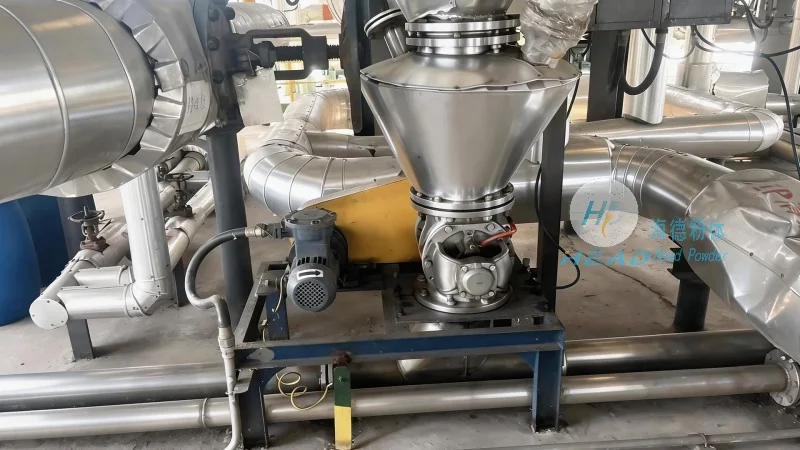
To ensure the long-term performance and reliability of a sodium phosphate pneumatic conveying system, regular maintenance is essential. This includes cleaning the pipelines and components to prevent the buildup of material residues, which can affect the system's efficiency. The air compressor and other mechanical parts should be inspected regularly to ensure they are operating within their specified parameters. Additionally, the system's controls and sensors should be checked to maintain accurate flow rates and pressure levels.
Conclusion
In summary, a sodium phosphate pneumatic conveying system is an efficient and reliable method for transporting this important chemical. The design principles, which take into account the material's properties and the system's operating conditions, ensure optimal performance. With proper maintenance and operation, these systems can provide consistent and safe material handling for various industrial applications.