

What is a Metal Iron Powder Pneumatic Conveying System? And What Are Its Design Principles?
Understanding the metal iron powder pneumatic conveying system is crucial for industries dealing with fine powder materials. This system is designed to transport iron powder through a pipeline using air or other gas as the conveying medium. The technology offers an efficient and effective method for moving iron powder from one location to another, ensuring minimal product loss and maintaining product quality throughout the process. As a leading provider in the field, Shandong HeadPowder Engineering Co., Ltd. specializes in designing and manufacturing high-quality metal iron powder pneumatic conveying systems tailored to meet the diverse needs of various industries.
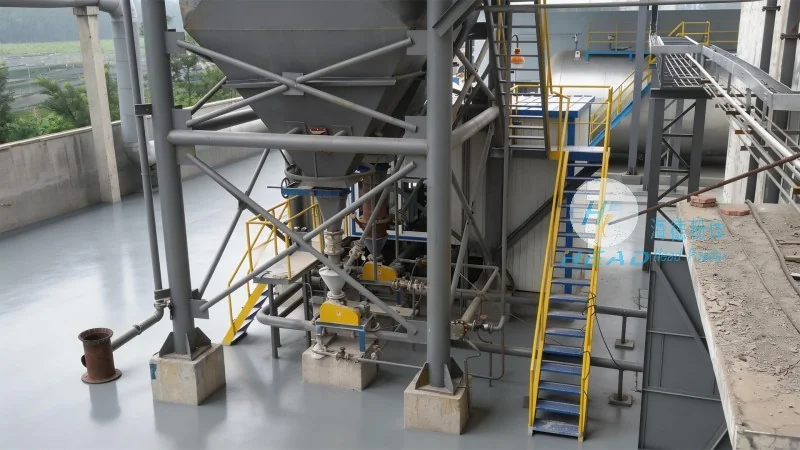
Key Components of a Metal Iron Powder Pneumatic Conveying System
The metal iron powder pneumatic conveying system consists of several essential components that work together to facilitate the transport of iron powder. These components include the material hopper, which stores the iron powder; the feeder, which controls the flow of powder into the system; the conveying line, which is the pipeline through which the powder is transported; the air compressor or blower, which provides the necessary air pressure; and the receiver, where the iron powder is deposited at the destination. Each component plays a vital role in ensuring the smooth and efficient operation of the system.
Design Principles for Metal Iron Powder Pneumatic Conveying Systems
The design principles of a metal iron powder pneumatic conveying system are centered around optimizing the flow of iron powder while minimizing issues such as blockages, product degradation, and energy consumption. The system must be designed to handle the specific properties of iron powder, including its particle size, density, and flow characteristics. The air velocity within the conveying line is a critical factor, as it must be sufficient to keep the powder in suspension but not so high as to cause excessive wear on the system components. Additionally, the system design considers factors like the length and diameter of the conveying line, the number of bends, and the overall layout to ensure optimal performance.
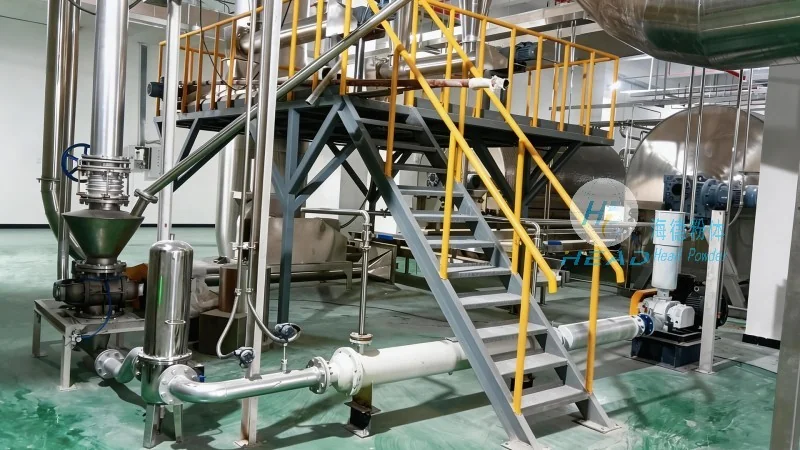
Advantages of Using a Metal Iron Powder Pneumatic Conveying System
Implementing a metal iron powder pneumatic conveying system offers numerous advantages for industrial applications. One of the primary benefits is the ability to transport iron powder in a closed system, which helps maintain product purity and prevents contamination from external sources. This is particularly important for iron powder used in high-precision applications such as aerospace, electronics, and pharmaceuticals. Another advantage is the reduced risk of dust exposure and inhalation hazards compared to traditional bulk handling methods. The system also allows for precise control over the flow rate and pressure, enabling better process control and consistency in production. Furthermore, the closed system design can help minimize product loss and improve overall material efficiency, leading to cost savings for the end-user.
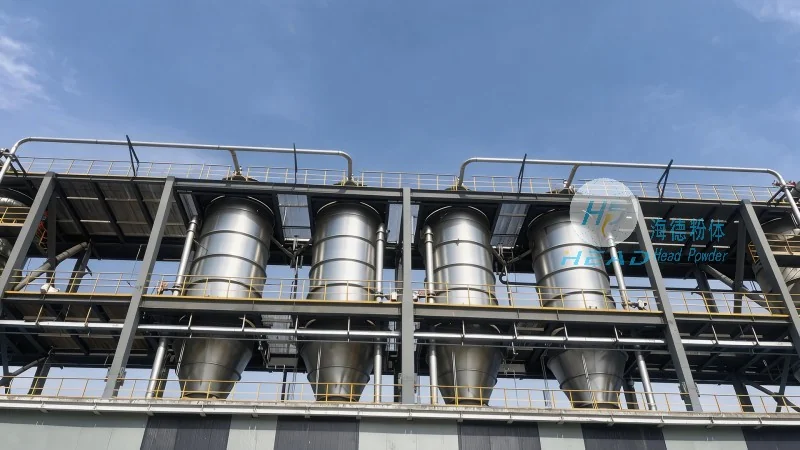
Application Examples of Metal Iron Powder Pneumatic Conveying Systems
Metal iron powder pneumatic conveying systems are widely used in various industries where iron powder is a key raw material. In the aerospace industry, these systems are used to transport iron powder for the production of magnetic components and other parts. In the electronics industry, they are employed in the manufacturing of magnetic cores and inductors. The pharmaceutical industry also utilizes these systems for handling iron powder used in drug formulations, particularly those requiring high purity and consistency. Additionally, in the manufacturing of magnetic materials and sensors, the precise control offered by pneumatic conveying systems is essential for achieving the desired properties of the final product.
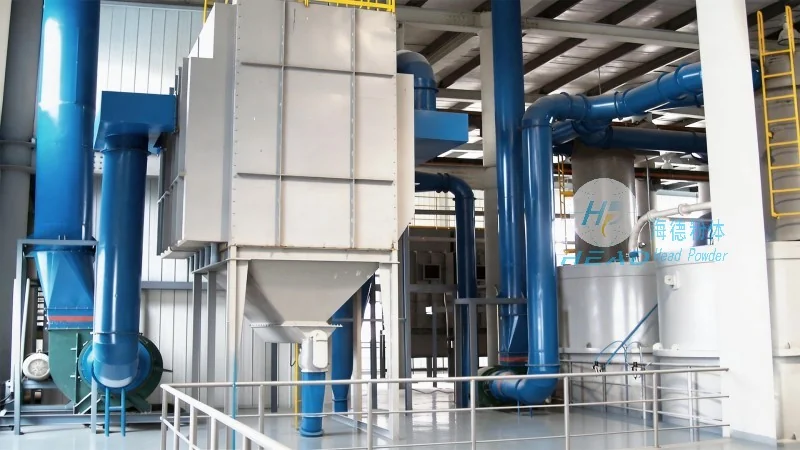
Considerations for Selecting a Metal Iron Powder Pneumatic Conveying System
When selecting a metal iron powder pneumatic conveying system, several factors must be considered to ensure the best fit for a specific application. The first consideration is the volume and flow rate of iron powder required, as this will determine the size and capacity of the system components. The particle size distribution of the iron powder is another critical factor, as it affects the air velocity needed for effective conveying. The distance and layout of the conveying line, including the number of bends and vertical rises, must also be evaluated to ensure the system can handle the required distance without excessive pressure drop or energy consumption. Additionally, the material of construction for the system components is important, as iron powder can be abrasive and may cause wear on the conveying line and other parts. The system should be made from materials that are resistant to corrosion and wear, such as stainless steel or specialized alloys. Finally, the overall cost of the system, including installation and maintenance, should be considered to ensure it is a cost-effective solution for the long-term operation.
Conclusion
Metal iron powder pneumatic conveying systems are an essential technology for efficiently and safely transporting iron powder in industrial applications. By understanding the key components, design principles, advantages, and considerations for these systems, industries can make informed decisions when selecting and implementing a system that meets their specific needs. The use of such systems not only improves operational efficiency but also enhances product quality and safety, making them a valuable investment for any company dealing with iron powder.