

What is a Magnesium Sulfate Pneumatic Conveying Equipment? And What Are Its Design Principles?
HeadPowder, a leading manufacturer based in Shandong, China, specializes in providing advanced pneumatic conveying solutions for various industrial applications. This article explores the concept of magnesium sulfate pneumatic conveying equipment and delves into its core design principles, offering insights into how this technology efficiently handles the transportation of magnesium sulfate and related materials.
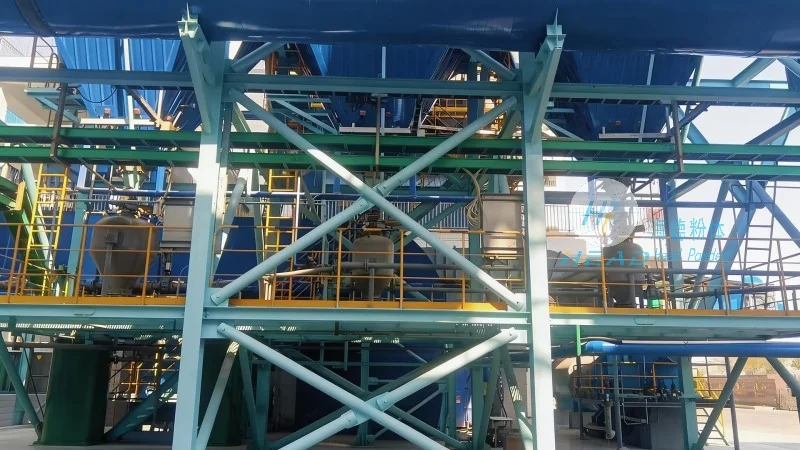
Understanding Magnesium Sulfate Pneumatic Conveying Equipment
Magnesium sulfate, commonly known as Epsom salt, is a widely used chemical compound in industries such as agriculture, pharmaceuticals, and food processing. The demand for efficient and reliable methods to transport this material has led to the development of specialized pneumatic conveying systems. These systems utilize air or gas to move bulk materials like magnesium sulfate through a pipeline network, eliminating the need for traditional mechanical conveyors and reducing operational costs and maintenance requirements.
Key Components of the Pneumatic Conveying System
The magnesium sulfate pneumatic conveying equipment typically consists of several critical components that work in tandem to ensure smooth material transport. The primary components include a hopper for material storage, a feeder to control the flow rate, a venturi or airlock system to create the necessary pressure differential, and a pipeline network for material transport. Additionally, the system may incorporate filters, cyclones, and dust collectors to ensure environmental compliance and maintain material purity.
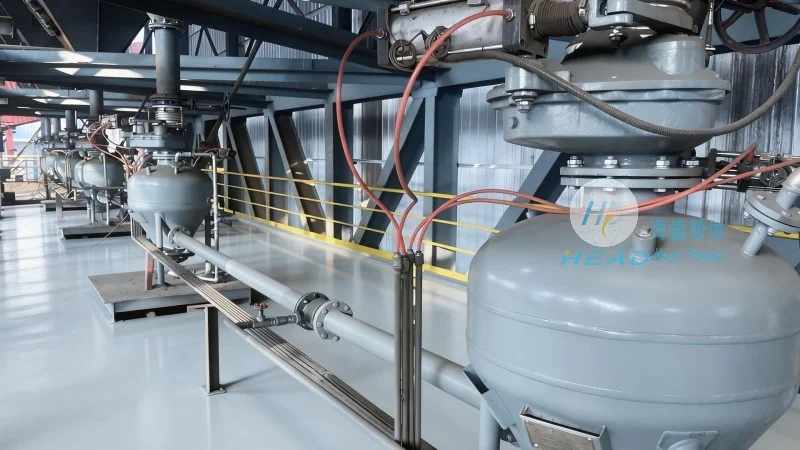
Design Principles Behind the Equipment
The design of magnesium sulfate pneumatic conveying equipment is guided by several fundamental principles aimed at optimizing performance, efficiency, and safety. One of the key principles is the selection of appropriate air velocity and pressure to achieve the desired conveying capacity while minimizing energy consumption. Engineers must consider the material's properties, such as particle size, density, and flowability, to determine the optimal air velocity that prevents material settling or blockages in the pipeline.
Another critical design principle is the prevention of material degradation or contamination during transport. This is achieved through the use of stainless steel or other corrosion-resistant materials for the hopper and pipeline, as well as the incorporation of filtration systems to remove dust and moisture. The system's design also emphasizes the need for proper sealing and maintenance to prevent air leaks, which could lead to energy waste and reduced conveying efficiency.
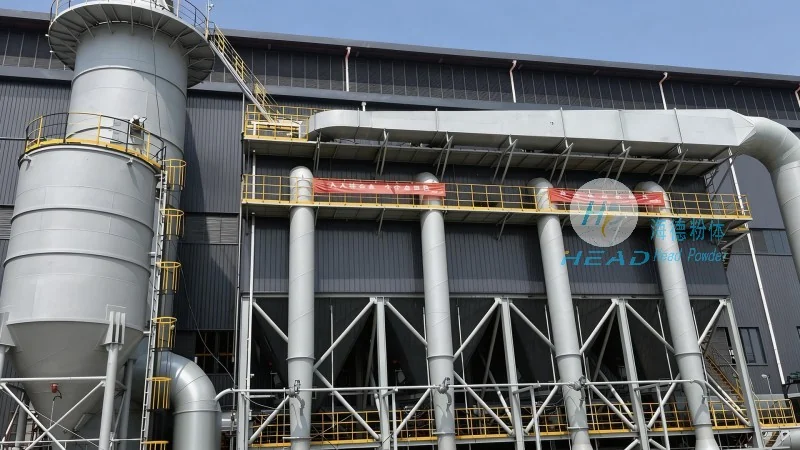
Advantages of Using Pneumatic Conveying for Magnesium Sulfate
Compared to traditional conveyor systems, pneumatic conveying offers several advantages for transporting magnesium sulfate. These include the ability to handle a wide range of material types and sizes, the flexibility to transport materials over long distances, and the reduced risk of material contamination due to enclosed systems. Additionally, pneumatic conveying systems can be integrated with other processing equipment, such as mixers or reactors, to create a seamless production line, enhancing overall operational efficiency.
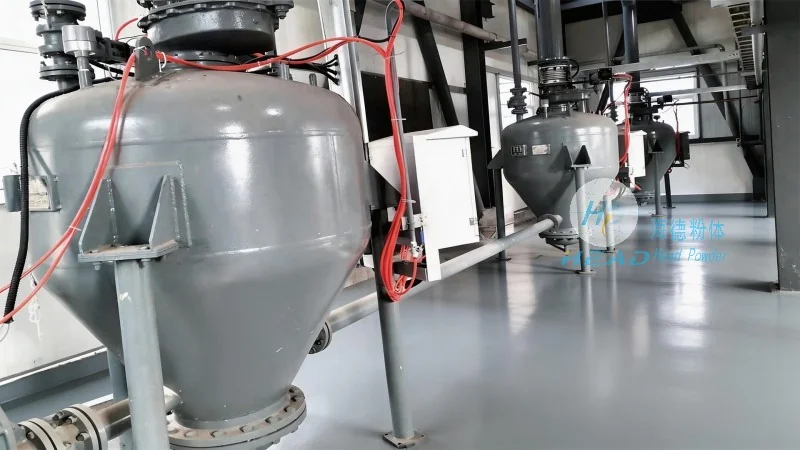
Applications and Industries Benefiting from This Technology
The magnesium sulfate pneumatic conveying equipment is widely used in various industries where the efficient handling of bulk materials is essential. In the agricultural sector, it is used to transport magnesium sulfate as a fertilizer, ensuring precise application rates and reducing labor costs. In the pharmaceutical industry, the system is employed to convey raw materials for the production of magnesium-based drugs, maintaining strict quality control standards. The food processing industry also benefits from this technology when handling magnesium sulfate as a food additive, ensuring compliance with food safety regulations.
Conclusion and Future Developments
As industrial demands for efficient material handling continue to grow, the design and application of magnesium sulfate pneumatic conveying equipment remain crucial. Manufacturers like Shandong HeadPowder Engineering Co., Ltd. are continuously innovating to improve the performance and reliability of these systems, incorporating advanced technologies such as variable frequency drives and intelligent control systems to enhance operational efficiency. The future of pneumatic conveying technology holds promise for even more efficient and sustainable material transport solutions, ensuring the continued relevance of this equipment in various industrial applications.