

What is a Continuous Pneumatic Conveying System? What Are Its Design Principles?
Continuous pneumatic conveying systems are advanced industrial equipment designed to transport bulk materials through a pipeline using a stream of air or other gas. Unlike traditional mechanical conveying methods, these systems offer a flexible and efficient solution for moving various materials, from powders and granules to bulk solids, over long distances with minimal maintenance. The core of such a system lies in its ability to maintain a continuous flow of material, which is crucial for industries that require consistent and reliable material handling.
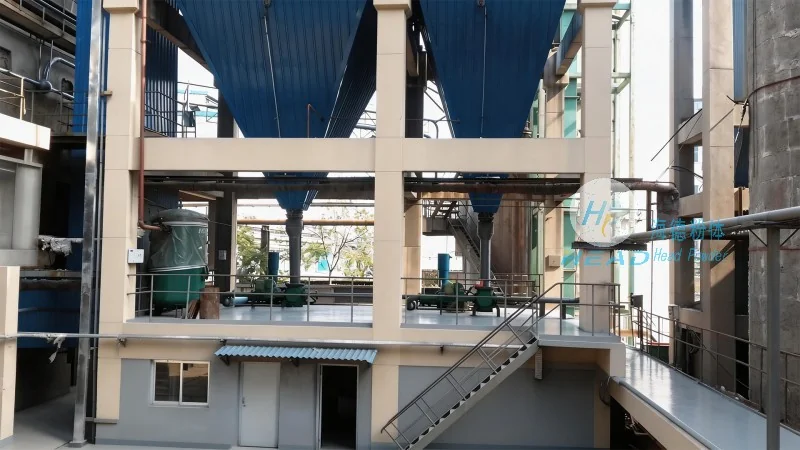
Key Components of a Continuous Pneumatic Conveying System
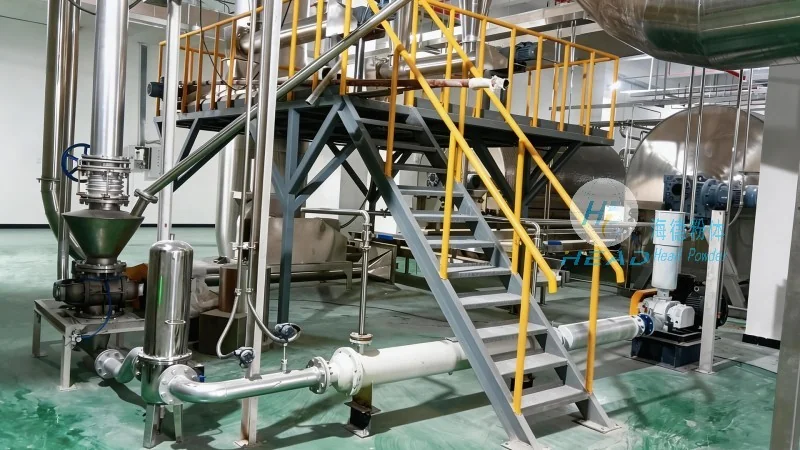
The primary components of a continuous pneumatic conveying system include the material feed hopper, the conveyor line (typically a pipeline), the air or gas source (usually a blower or compressor), and the control system. The feed hopper is responsible for storing and feeding the material into the pipeline at a controlled rate. The conveyor line, often made of metal or plastic, carries the material along with the air stream. The air source provides the necessary pressure and flow rate to move the material through the system. The control system monitors and adjusts the flow rates of both material and air to ensure optimal performance and prevent system overload or blockages.
Design Principles and Operational Considerations
Designing a continuous pneumatic conveying system involves several key principles aimed at achieving efficient and reliable material transport. One of the fundamental principles is maintaining a consistent material-air ratio, which is the ratio of material volume to air volume. This ratio is critical because it determines the system's capacity and the pressure drop along the pipeline. Engineers must calculate the appropriate air velocity and pressure to ensure that the material particles are fully entrained by the air stream and move smoothly without settling or causing blockages. Another important principle is the use of appropriate pipeline diameters and slopes. The diameter of the pipeline must be large enough to prevent excessive pressure drop and material deposition, while the slope of the pipeline (if any) should be sufficient to allow gravity-assisted movement of the material, reducing the energy required from the air source.
Applications and Benefits of Continuous Pneumatic Conveying Systems
Continuous pneumatic conveying systems are widely used in various industries, including food processing, pharmaceuticals, chemicals, and mining. Their applications range from transporting raw materials to finished products, such as powders, granules, and bulk solids. The benefits of these systems include high efficiency, low maintenance costs, and the ability to handle a wide range of materials. Unlike mechanical conveyors, which may require frequent cleaning and maintenance, pneumatic systems can operate continuously without interruption, as long as the material and air supply are maintained. Additionally, these systems are less prone to material contamination, making them suitable for applications where product purity is critical, such as in the food and pharmaceutical industries.
About Shandong HeadPowder Engineering Co., Ltd.
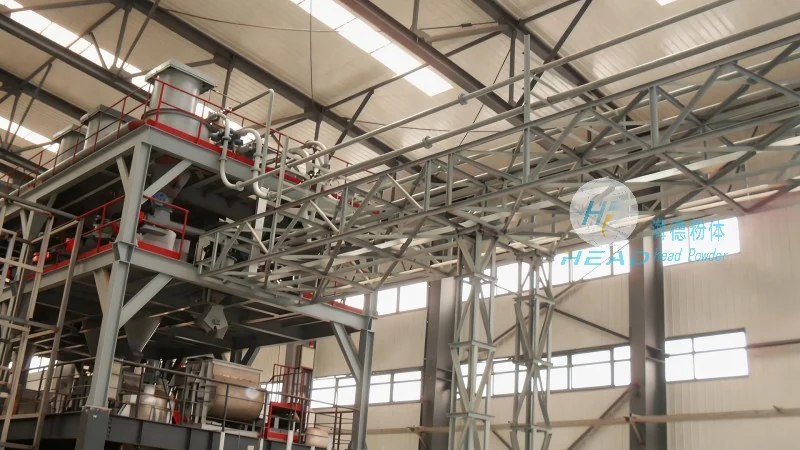
Shandong HeadPowder Engineering Co., Ltd., commonly known as HeadPowder, is a leading manufacturer and supplier of continuous pneumatic conveying systems. With a focus on innovation and quality, HeadPowder has established itself as a trusted partner for industries seeking reliable material handling solutions. The company is headquartered in Shandong, China, and specializes in designing and manufacturing customized systems tailored to the specific needs of its clients. HeadPowder's products are known for their durability, efficiency, and adherence to international standards, ensuring that they meet the highest requirements for performance and safety in industrial applications.