

What is a Bin Bottom Pneumatic Conveying System Device? What are its Design Principles?
Bin bottom pneumatic conveying systems are advanced industrial equipment designed to efficiently transport bulk materials from storage bins or silos to processing units or packaging areas. These systems utilize compressed air or other gases to create a flow of material through a network of pipes and ducts, enabling seamless material transfer without the need for mechanical components like conveyors or elevators. The core of such systems lies in their ability to handle a wide range of materials, from powders and granules to fine particles, while maintaining high efficiency and reliability in various industrial applications.
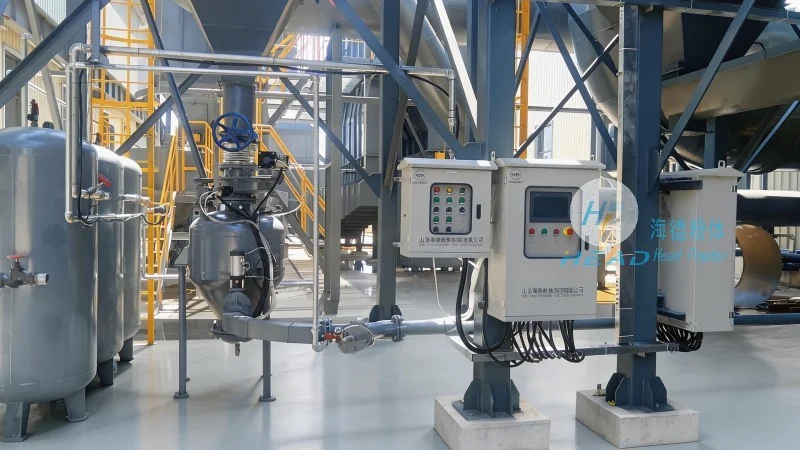
Understanding the Core Components of a Bin Bottom Pneumatic Conveying System
A bin bottom pneumatic conveying system typically consists of several key components that work in tandem to ensure effective material handling. The primary components include the storage bin or silo, the airlock or feeder, the conveying line, and the receiver or discharge point. The storage bin serves as the material source, holding the bulk material ready for transfer. The airlock or feeder is crucial as it regulates the flow of material from the bin into the conveying line, preventing air leakage and ensuring a consistent feed rate. The conveying line, often made of stainless steel or other corrosion-resistant materials, transports the material using the force of compressed air. Finally, the receiver or discharge point collects the material at the destination, completing the transfer process.
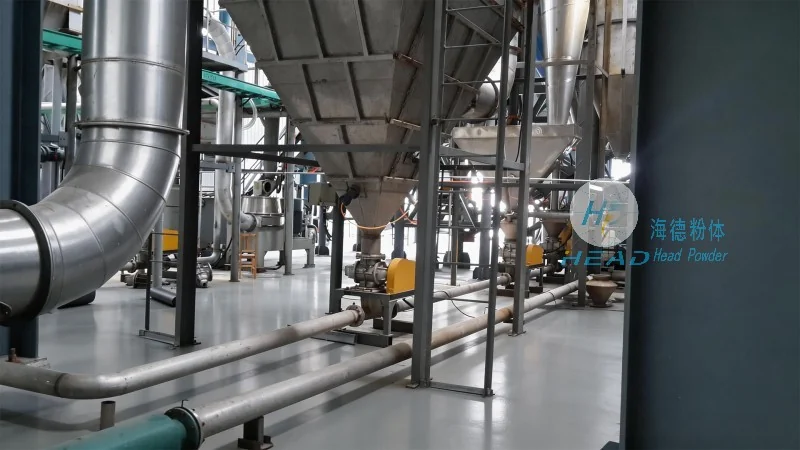
The Design Principles Behind Bin Bottom Pneumatic Conveying Systems
The design principles of bin bottom pneumatic conveying systems are centered on optimizing material flow, energy efficiency, and system reliability. One of the fundamental principles is the use of pressure differential to move material through the system. By creating a pressure drop between the storage bin and the discharge point, the system generates the necessary force to propel the material forward. This principle allows for the efficient transport of materials over long distances and varying elevations without the need for additional mechanical power beyond the initial air compression. Another key design principle is the selection of appropriate air velocities and pipe diameters to prevent material degradation or blockages. Engineers carefully calculate the air velocity to ensure that the material is carried in a dilute phase, minimizing the risk of clogging and maximizing system performance. Additionally, the system design considers factors such as material properties, particle size distribution, and moisture content to tailor the conveying parameters for optimal results.
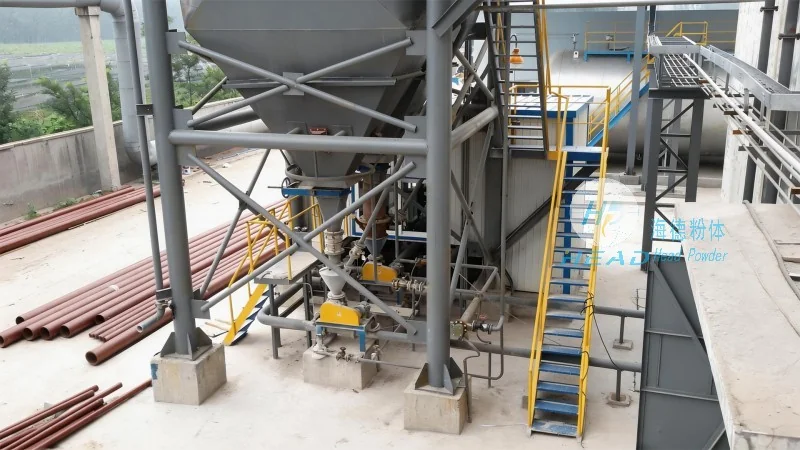
Key Advantages of Bin Bottom Pneumatic Conveying Systems
Bin bottom pneumatic conveying systems offer several advantages over traditional mechanical conveying methods. One of the most significant benefits is the ability to handle a wide variety of materials, including those that are abrasive, corrosive, or sensitive to moisture. Unlike mechanical conveyors, which can cause material degradation or contamination, pneumatic systems maintain the integrity of the material throughout the transfer process. Another advantage is the flexibility in system layout, as the conveying lines can be easily reconfigured or extended to accommodate changes in production needs or facility expansions. Furthermore, these systems are generally more hygienic and easier to clean, making them suitable for industries such as food, pharmaceuticals, and chemicals where product purity is critical. The compact design of bin bottom systems also saves valuable floor space in industrial facilities, contributing to overall operational efficiency.
Applications and Industries Utilizing Bin Bottom Pneumatic Conveying Systems
Bin bottom pneumatic conveying systems are widely used across various industries due to their versatility and efficiency. In the food and beverage industry, these systems are commonly employed to transport ingredients like flour, sugar, and spices from storage bins to processing lines or packaging machines. The hygienic design and ability to handle fine powders make them ideal for maintaining product quality and safety standards. In the pharmaceutical industry, pneumatic conveying systems are used to transport active pharmaceutical ingredients (APIs) and other sensitive materials, ensuring that the materials remain uncontaminated and in their original state. The chemical industry also benefits from these systems when handling corrosive or hazardous powders, as they provide a safe and enclosed transfer method. Additionally, in the agricultural sector, bin bottom systems are used to move grain and other bulk agricultural products from storage silos to processing facilities or distribution centers. The consistent and reliable operation of these systems ensures that production processes run smoothly and efficiently, reducing downtime and material loss.
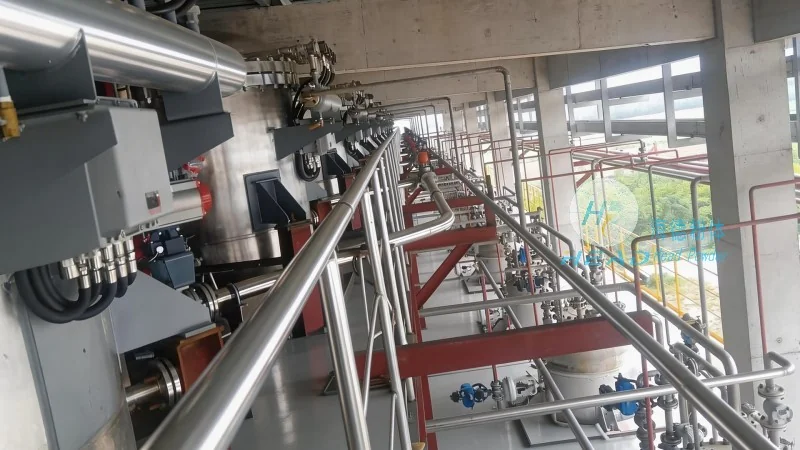
Conclusion: The Importance of Bin Bottom Pneumatic Conveying Systems in Modern Industry
Bin bottom pneumatic conveying systems represent a critical component of modern industrial material handling solutions. By leveraging the principles of pneumatic transport, these systems offer efficient, reliable, and flexible methods for transferring bulk materials. The design and components of such systems are carefully engineered to meet the specific needs of various industries, ensuring optimal performance and longevity. As industries continue to evolve and demand higher efficiency and product quality, the importance of these systems will only grow. Companies like Shandong HeadPowder Engineering Co., Ltd., based in China, specialize in the design, manufacturing, and installation of bin bottom pneumatic conveying systems, providing tailored solutions to meet the diverse needs of their clients. With their expertise and commitment to quality, these systems play a vital role in enhancing operational efficiency and productivity across various sectors.