

What is a furfural slag powder conveying system? What are its design principles?
Furfural slag, a byproduct of the furfural production process, presents unique challenges in handling and transportation due to its fine particle size and potentially abrasive nature. The development of specialized powder conveying systems has become essential for industries dealing with such materials, ensuring efficient and safe material transfer while minimizing operational risks. This article explores the fundamental aspects of furfural slag powder conveying systems, focusing on their design principles and the engineering solutions that enable effective operation.
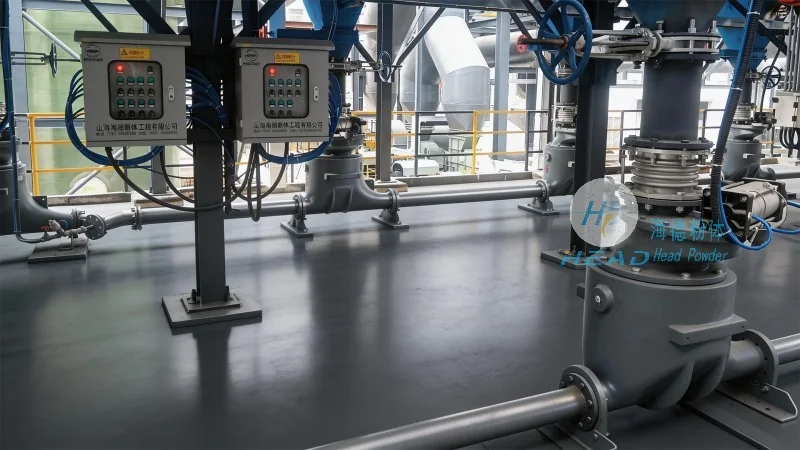
Key Components of a Furfural Slag Powder Conveying System
The core components of a furfural slag powder conveying system are designed to address the specific characteristics of the material. These typically include a hopper or storage silo for material containment, a feeding mechanism such as a rotary valve or screw feeder to control the flow rate, and a conveying device like a pneumatic or mechanical conveyor. The system may also incorporate dust collection and filtration equipment to manage airborne particles and ensure compliance with environmental regulations. Each component is carefully selected and integrated to optimize performance and durability under the demanding conditions of furfural slag handling.
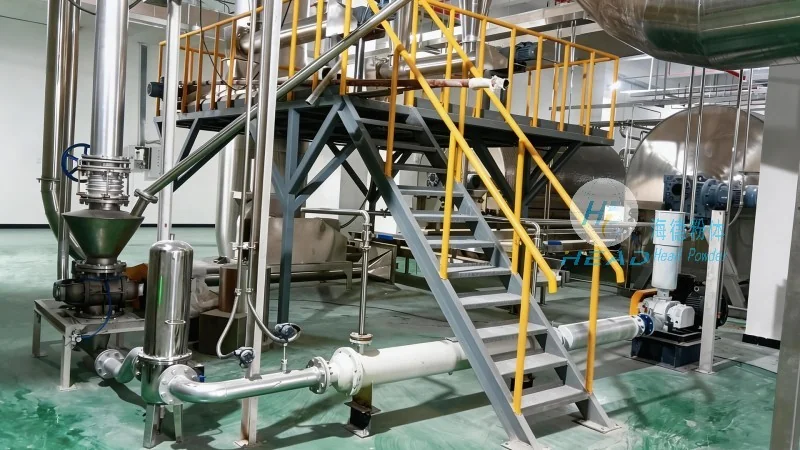
Design Principles for Efficient Powder Conveying
The design of a furfural slag powder conveying system follows several critical principles aimed at maximizing efficiency, reliability, and safety. One of the primary principles is the minimization of material degradation and agglomeration during transport. This is achieved through the use of smooth, non-stick surfaces in the conveying lines and the incorporation of vibration or agitation systems to prevent particle buildup. Another key principle is the control of air velocity and pressure in pneumatic systems, which directly impacts the conveying capacity and energy consumption. Engineers must balance these factors to achieve optimal performance without excessive energy use or equipment wear. Additionally, the system design considers the need for easy maintenance and cleaning, as furfural slag can be sticky and may require regular equipment upkeep to maintain operational efficiency.
Engineering Solutions by Shandong HeadPowder Engineering Co., Ltd.
Shandong HeadPowder Engineering Co., Ltd., a leading provider of powder handling solutions, specializes in the design and manufacturing of customized furfural slag powder conveying systems. With years of experience in the industry, the company understands the unique challenges posed by furfural slag and has developed advanced engineering solutions tailored to meet the specific needs of clients. Their systems are built with high-quality materials, such as stainless steel and corrosion-resistant alloys, to withstand the abrasive and corrosive properties of the material. The company’s team of engineers employs state-of-the-art design software and rigorous testing protocols to ensure that each system meets or exceeds industry standards for performance, safety, and durability. By leveraging their expertise and commitment to quality, Shandong HeadPowder Engineering Co., Ltd. provides reliable and efficient solutions for the transportation of furfural slag, helping clients improve operational efficiency and reduce downtime.
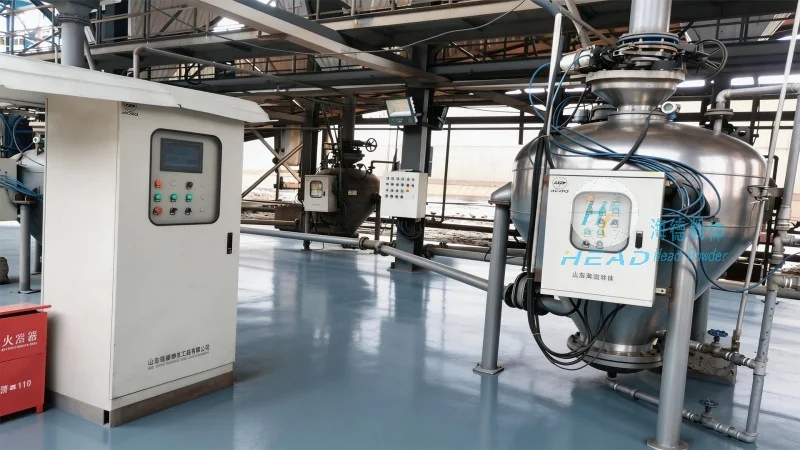
Benefits of Implementing a Specialized Conveying System
Adopting a specialized furfural slag powder conveying system offers numerous benefits for industrial operations. Firstly, it enhances safety by reducing the risk of dust explosions and material spills, which are common hazards in traditional handling methods. The enclosed system design minimizes exposure to airborne particles, protecting both personnel and the environment. Secondly, it improves operational efficiency by enabling consistent and controlled material flow, which can lead to increased production rates and reduced labor costs. The system’s ability to handle fine particles without clogging or degradation also ensures a more stable and reliable supply of material to downstream processes. Finally, the use of advanced materials and engineering design results in lower maintenance requirements and longer equipment lifespan, providing a cost-effective solution for long-term material handling needs.