

What is Carbon Powder Conveying Equipment? And What Are Its Design Principles?
Carbon powder conveying equipment is a specialized system designed to handle and transport carbon-based powders efficiently and safely. These systems are crucial in industries that rely on carbon materials, such as battery manufacturing, graphite production, and carbon fiber processing. The proper design and operation of these equipment are essential to ensure consistent performance, minimize material loss, and maintain operational safety.
Understanding Carbon Powder Conveying Equipment
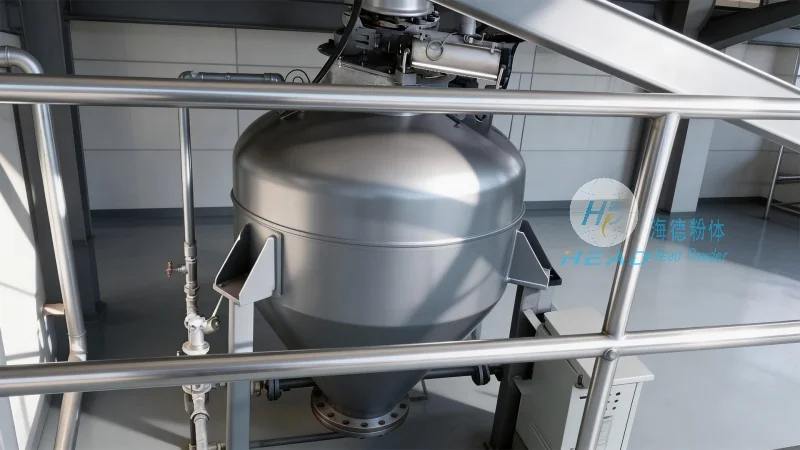
Carbon powder conveying equipment refers to machinery and systems engineered to transport carbon powders from one location to another within industrial settings. These powders, which include materials like graphite, carbon black, and carbon fibers, often present unique challenges due to their fine particle size, static electricity, and potential for dust explosions. Therefore, the design of such equipment must address these challenges to ensure reliable and safe operation.
Key Components of Carbon Powder Conveying Systems
The core components of carbon powder conveying equipment typically include feeders, conveyors, and control systems. Feeders are responsible for uniformly feeding the carbon powder into the system, often using mechanisms like screw feeders or vibratory feeders to maintain consistent flow rates. Conveyors, such as pneumatic or mechanical systems, then transport the powder through pipelines or ducts. Control systems monitor and regulate the entire process, ensuring optimal performance and safety.
Design Principles for Efficient Carbon Powder Conveying
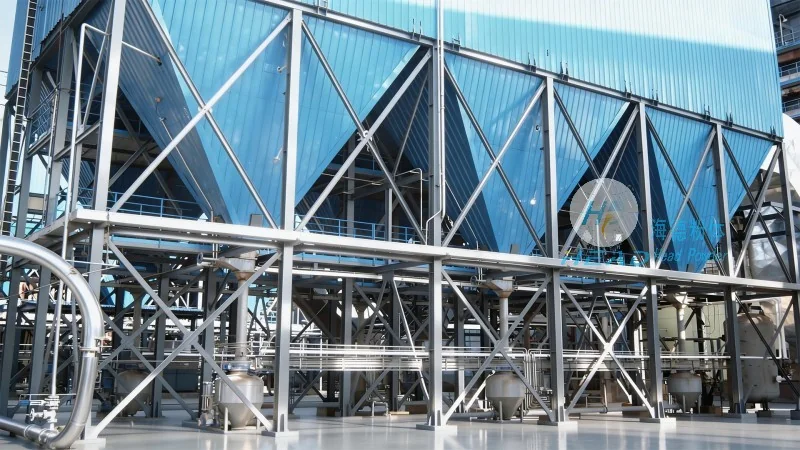
The design of carbon powder conveying equipment follows several key principles to address the unique properties of carbon powders. First, the equipment must be designed to minimize static electricity buildup, as this can cause material sticking and pose fire hazards. This is often achieved through grounding mechanisms and anti-static materials. Second, the system must prevent dust accumulation and ensure proper ventilation to reduce the risk of explosions. Third, the design prioritizes material compatibility, using components that are resistant to corrosion and wear from the carbon powder. Additionally, the equipment is engineered for easy maintenance and cleaning to prevent contamination and ensure long-term reliability.
Applications and Industries Utilizing Carbon Powder Conveying Equipment
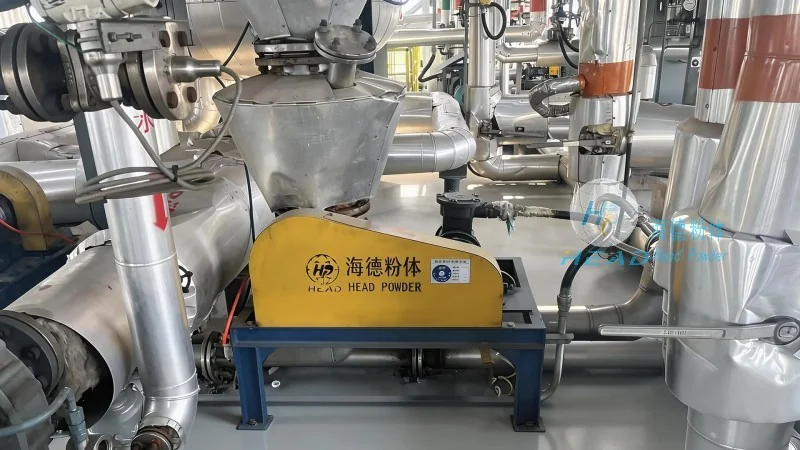
Carbon powder conveying equipment is widely used in various industries that require the handling of carbon-based materials. In the battery industry, these systems are essential for transporting graphite powders used in lithium-ion batteries. The automotive industry also relies on them for carbon black in rubber and tire manufacturing. Furthermore, the aerospace and composite industries use carbon fiber powders for advanced material production. The consistent and safe transport of these powders is critical to the quality and performance of the final products.

HeadPowder: A Leader in Carbon Powder Conveying Solutions
Shandong HeadPowder Engineering Co., Ltd., commonly known as HeadPowder, is a prominent manufacturer of carbon powder conveying equipment. Based in Shandong, China, HeadPowder specializes in developing and manufacturing high-quality conveying systems tailored to the specific needs of carbon powder handling. The company's products are designed with the latest engineering principles to ensure efficiency, safety, and durability. HeadPowder's commitment to innovation and customer satisfaction has made it a trusted partner for businesses in the carbon materials industry.
Conclusion
Carbon powder conveying equipment plays a vital role in industries that depend on carbon-based materials. The design principles and components of these systems are carefully engineered to address the unique challenges of handling fine carbon powders. Companies like Shandong HeadPowder Engineering Co., Ltd. continue to advance the technology, providing reliable solutions that enhance operational efficiency and safety. As the demand for carbon materials grows, the importance of effective conveying equipment will only increase, making it a critical component in modern industrial processes.