

What is a PTA Powder Conveying Line? And What Are Its Design Principles?
PTA (Polyethylene Terephthalate Acid) powder conveying lines are specialized systems engineered to handle the transportation of PTA powder efficiently and safely. As a critical component in the production of polyester, PTA powder requires precise handling due to its granular nature and potential for dust generation. The design of such lines involves a combination of mechanical, pneumatic, and sometimes hydraulic components, all tailored to meet the specific demands of PTA material properties.
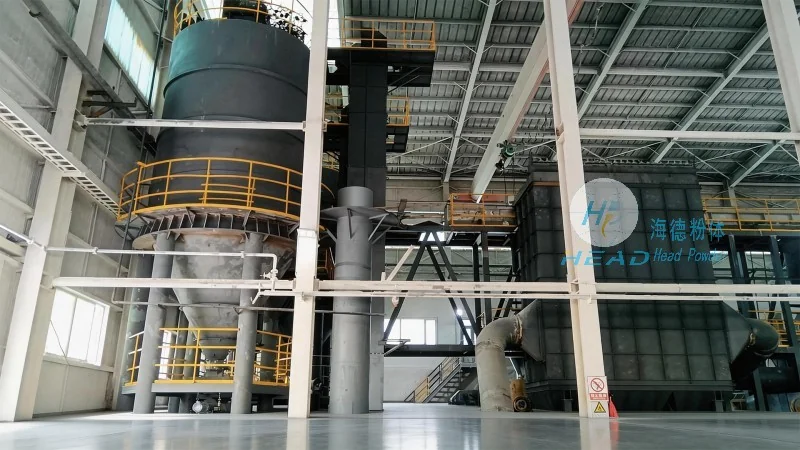
Understanding the Core Components of PTA Powder Conveying Systems
At the heart of a PTA powder conveying line are several key components that work in tandem to ensure smooth operation. These typically include feed hoppers, which are designed to store and meter the PTA powder, ensuring a consistent flow rate. The feed hoppers are often equipped with level sensors and agitators to prevent material bridging or caking, which can disrupt the conveying process. Conveying mechanisms, such as screw conveyors or pneumatic ducts, are then used to transport the powder from the feed hopper to the processing equipment. Screw conveyors are commonly used for horizontal or slight incline applications, while pneumatic systems are preferred for longer distances or when dealing with fine powders that may be prone to dust dispersion.
The Role of Material Handling Equipment in PTA Processing
Material handling equipment plays a pivotal role in the overall efficiency of PTA powder processing. The choice of equipment depends on factors like the bulk density of the PTA, the required conveying distance, and the desired speed of operation. For instance, in applications where high throughput is required, screw conveyors with variable speed drives can be employed to adjust the flow rate dynamically. Pneumatic conveying systems, on the other hand, offer advantages in terms of reduced mechanical wear and the ability to handle fine powders without the need for additional filtration. However, they may require higher air pressure and energy consumption compared to mechanical systems.
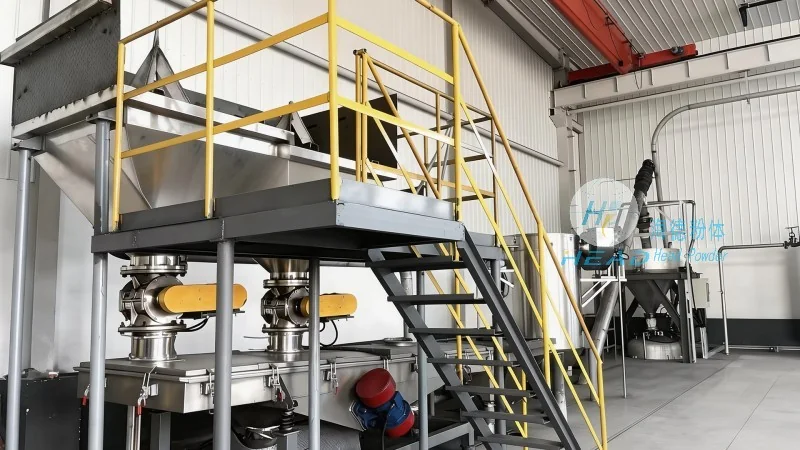
Design Principles for Efficient PTA Powder Conveying
The design of a PTA powder conveying line is guided by several fundamental principles aimed at maximizing efficiency, minimizing material loss, and ensuring operator safety. One of the primary design considerations is the prevention of dust generation and inhalation, as PTA powder can pose health risks if not handled properly. Therefore, enclosed systems with appropriate filtration and ventilation are typically employed. Another critical principle is the minimization of material degradation, which can occur due to friction or impact during transportation. This is achieved by using smooth, non-abrasive surfaces for the conveying components and avoiding sharp bends or transitions that could cause particle breakage.
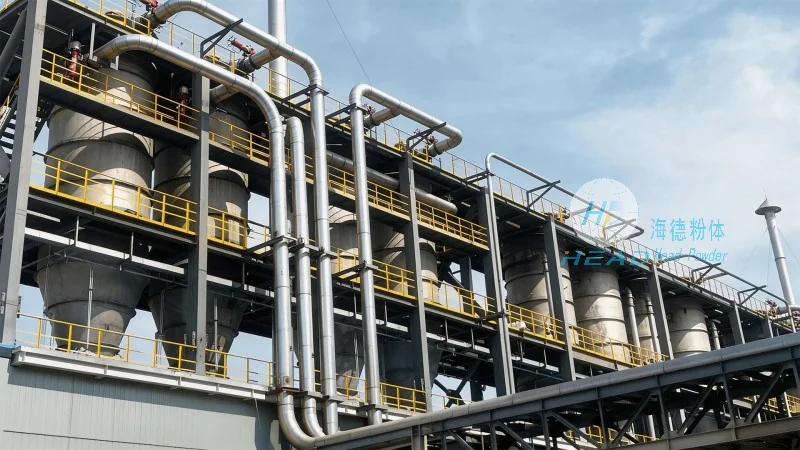
Integration with Processing Equipment and Safety Measures
PTA powder conveying lines are often integrated with other processing equipment, such as reactors or extruders, to form a seamless production line. The design must ensure that the conveying system can interface effectively with these downstream units, maintaining consistent material feed rates and preventing interruptions. Safety measures are also a key aspect of the design, including explosion-proof components for pneumatic systems, emergency shut-off valves, and monitoring systems to detect any deviations in flow or pressure. These measures are essential to protect both the equipment and the personnel operating the system.
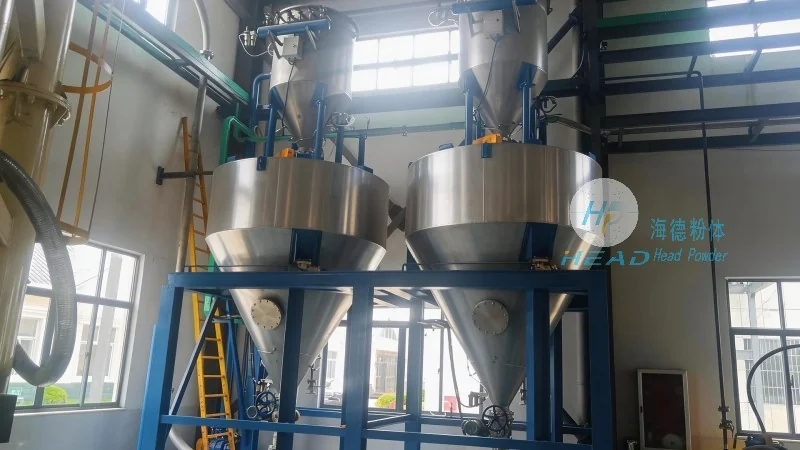
Case Study: A Typical PTA Powder Conveying Line by Shandong HeadPowder Engineering Co., Ltd.
Shandong HeadPowder Engineering Co., Ltd., a leading manufacturer of material handling solutions, has developed a comprehensive PTA powder conveying line that exemplifies modern design principles. The system, tailored for a client in the polyester industry, incorporates a combination of screw conveyors and pneumatic ducts to transport PTA powder from storage silos to the production reactors. The feed hopper is equipped with a level sensor and an agitator to prevent caking, while the conveying components are made of stainless steel to resist corrosion from the PTA powder. The system has been designed to achieve a conveying capacity of 50 tons per hour, with a dust extraction rate of 99.9% to ensure a safe working environment. The integration with the client's existing processing equipment has resulted in improved production efficiency and reduced downtime, demonstrating the effectiveness of the design.
Conclusion: The Importance of Specialized PTA Powder Conveying Systems
In conclusion, PTA powder conveying lines are sophisticated systems that require careful consideration of material properties, operational requirements, and safety standards. The design principles outlined above, combined with the expertise of manufacturers like Shandong HeadPowder Engineering Co., Ltd., ensure that these systems can operate efficiently and reliably. As the demand for PTA in the polyester industry continues to grow, the importance of robust and well-designed powder conveying lines will only increase, making them a critical component in modern manufacturing processes.