

What is a Sweet Potato Powder Bulk Conveyor? And What Are Its Design Principles?
Understanding the sweet potato powder bulk conveyor is essential for industries dealing with bulk powder handling, particularly in the food processing sector. This equipment is specifically designed to transport sweet potato powder efficiently and safely, ensuring minimal product degradation and loss during the process. The design principles behind such conveyors are rooted in engineering principles that optimize material flow, energy consumption, and operational reliability.
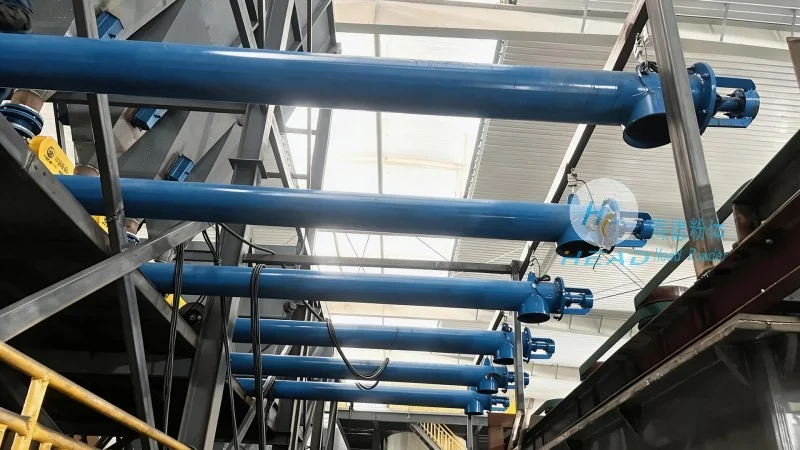
Introduction to Sweet Potato Powder Bulk Conveyors
A sweet potato powder bulk conveyor is a specialized piece of machinery used to move sweet potato powder from one location to another within a processing facility. These conveyors are commonly employed in food processing plants, agricultural processing centers, and industrial powder handling operations. The primary function is to handle bulk quantities of sweet potato powder, which is often a fine or semi-fine powder, requiring equipment that can manage flow characteristics without causing clogging or segregation. The design of these conveyors must address the unique properties of sweet potato powder, such as its moisture content, particle size distribution, and potential for static electricity, to ensure smooth and consistent operation.
Key Design Principles of Sweet Potato Powder Conveyors
The design of a sweet potato powder bulk conveyor is guided by several critical principles to ensure optimal performance. First, the equipment must be constructed from materials that are compatible with sweet potato powder, typically food-grade stainless steel or other non-reactive materials, to prevent contamination and maintain product purity. Second, the conveyor system is engineered to handle the flow characteristics of the powder, including its bulk density and flowability. This involves selecting appropriate conveyor components like hoppers, chutes, and feed mechanisms that can accommodate the powder's behavior without causing blockages or uneven flow. Third, the design incorporates features to manage moisture and temperature, as sweet potato powder can be sensitive to environmental conditions that affect its quality and handling properties. Additionally, the conveyor is designed for easy cleaning and maintenance, which is crucial in food processing environments where hygiene standards are strictly enforced. The use of smooth surfaces, sealed components, and easy-to-access parts ensures that the equipment can be thoroughly cleaned to prevent cross-contamination and maintain compliance with food safety regulations.
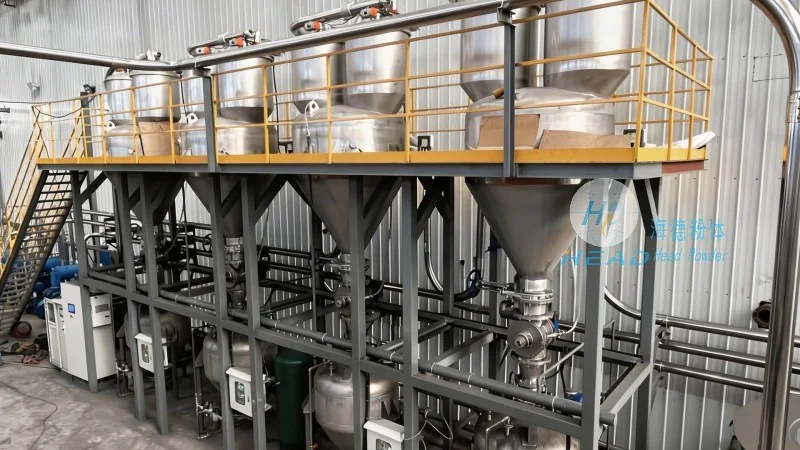
Components and Operational Mechanisms
The sweet potato powder bulk conveyor typically consists of several key components that work together to facilitate efficient powder transport. The primary components include a hopper for storing the sweet potato powder, a feeding mechanism (such as a screw feeder or rotary valve) to control the flow rate, a conveyor section (like a pneumatic or mechanical conveyor) to move the powder, and a discharge system to deliver the powder to its destination. The feeding mechanism is critical as it regulates the amount of powder entering the conveyor, preventing overloading and ensuring a steady flow. The conveyor section may use air pressure (pneumatic conveying) or mechanical components (like belt or screw conveyors) depending on the specific requirements of the application. Pneumatic conveyors are often preferred for sweet potato powder due to their ability to handle fine powders and minimize product degradation, as they use air to transport the powder through a sealed system. Mechanical conveyors, such as screw or belt conveyors, are also used but may require additional measures to prevent clogging and maintain flow consistency.
Advantages of Using a Sweet Potato Powder Bulk Conveyor
Implementing a sweet potato powder bulk conveyor offers several advantages for industries processing sweet potato powder. One of the most significant benefits is the improvement in operational efficiency, as these conveyors can handle large volumes of powder with minimal labor input. This reduces the need for manual handling, which is not only labor-intensive but also poses risks of product loss and contamination. The equipment also enhances product quality by minimizing exposure to air and moisture, which can cause oxidation or caking of the sweet potato powder. This is particularly important for maintaining the nutritional and sensory properties of the powder. Additionally, the conveyor systems are designed for easy integration into existing processing lines, allowing for seamless operation and reduced downtime. The ability to control the flow rate and direction of the powder also provides flexibility in processing, enabling manufacturers to adjust production based on demand. Furthermore, the use of automated controls and monitoring systems in modern conveyors allows for real-time tracking of the powder flow, ensuring that any issues are detected and addressed promptly. This leads to increased reliability and reduced maintenance costs over time.
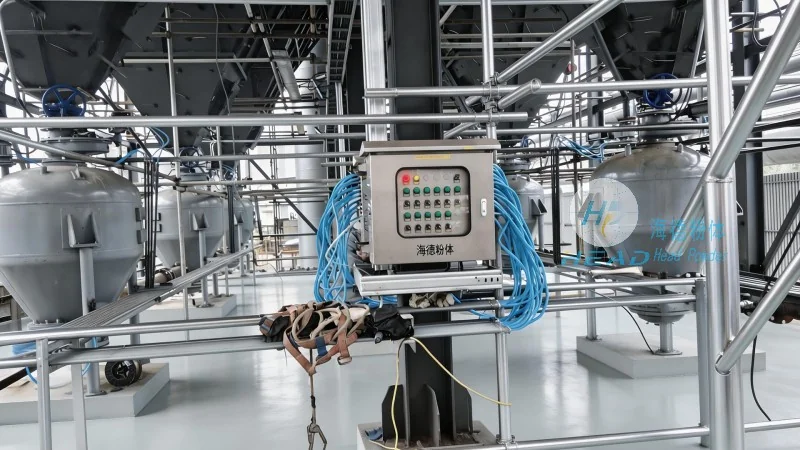
Considerations for Selecting and Implementing a Sweet Potato Powder Bulk Conveyor
When selecting and implementing a sweet potato powder bulk conveyor, several factors must be considered to ensure the equipment meets the specific needs of the operation. First, the processing capacity required must be determined based on the production volume of sweet potato powder. The conveyor's design should be able to handle the expected flow rate without causing bottlenecks or overloading. Second, the characteristics of the sweet potato powder, such as particle size, moisture content, and flowability, must be evaluated to choose the appropriate conveyor type and components. For example, if the powder is very fine and prone to clogging, a pneumatic conveyor with a larger air-to-powder ratio may be more suitable. Third, the space constraints within the processing facility must be considered, as the conveyor system needs adequate room for installation and operation. The layout of the conveyor should be designed to minimize the distance between the powder source and the discharge point, reducing energy consumption and operational costs. Fourth, the hygiene and safety standards of the food processing industry must be taken into account, ensuring that the conveyor is constructed from food-grade materials and can be easily cleaned and sanitized. This includes features like smooth surfaces, no dead zones, and easy-to-remove parts. Finally, the cost of the equipment and its maintenance should be evaluated, as the initial investment and long-term operational costs play a significant role in the overall economic viability of the system.
Conclusion
In conclusion, a sweet potato powder bulk conveyor is a vital piece of equipment for industries processing sweet potato powder, offering efficient and reliable transport of bulk powder while maintaining product quality and safety standards. The design principles behind these conveyors focus on material compatibility, flow management, and operational efficiency, ensuring that the equipment can handle the unique properties of sweet potato powder. By selecting and implementing the appropriate conveyor system, manufacturers can enhance their processing capabilities, reduce operational costs, and improve overall product quality. The expertise of companies like Shandong HeadPowder Engineering Co., Ltd., based in China, plays a crucial role in providing tailored solutions that meet the specific needs of different industries, ensuring that sweet potato powder is handled with the care and precision required for optimal results.