

What is a Copper Sulfate Powder Conveyor? What are its Design Principles?
When it comes to handling copper sulfate powder, an efficient and reliable powder conveyor system is essential for industrial operations. This article explores the concept of a copper sulfate powder conveyor, delving into its design principles and the key factors that make it suitable for transporting this specific material. As a leading manufacturer in the field, Shandong HeadPowder Engineering Co., Ltd. specializes in providing tailored solutions for powder handling, ensuring optimal performance and safety in various industrial applications.
Understanding Copper Sulfate Powder and Its Handling Requirements
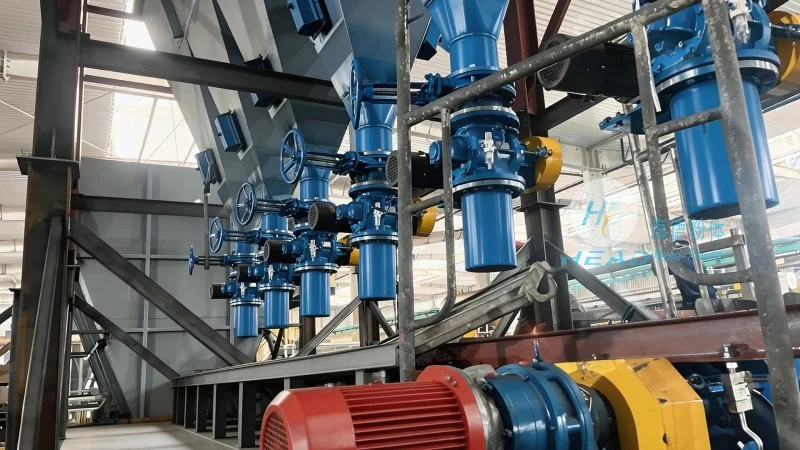
Copper sulfate, also known as cupric sulfate, is a common inorganic salt used in agriculture, water treatment, and chemical manufacturing. Its fine powder form requires specialized equipment to handle due to its hygroscopic nature and potential for dust generation. Traditional methods like manual handling or basic bulk conveyors often fall short in maintaining product quality and operational efficiency. This is where a dedicated copper sulfate powder conveyor comes into play, designed to address the unique challenges associated with this material.
The Role of HeadPowder in Copper Sulfate Powder Handling Solutions
Shandong HeadPowder Engineering Co., Ltd. is a reputable company based in China, dedicated to developing advanced powder handling technologies. With years of experience in the industry, HeadPowder has established itself as a trusted partner for businesses seeking reliable copper sulfate powder conveyor systems. The company’s expertise lies in understanding the specific properties of copper sulfate and designing equipment that ensures minimal product degradation, consistent flow, and safe operation. By leveraging cutting-edge engineering and materials science, HeadPowder delivers solutions that meet the stringent requirements of modern industrial processes.
Design Principles of Copper Sulfate Powder Conveyors
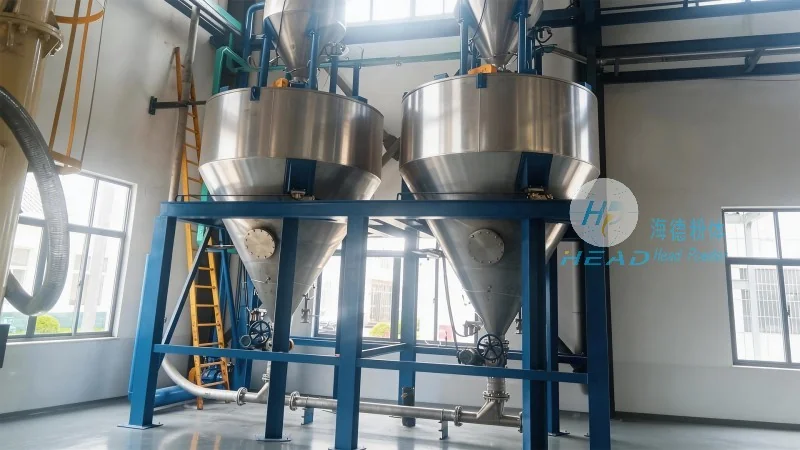
The design of a copper sulfate powder conveyor is based on several critical principles aimed at optimizing performance and safety. First, the system must be constructed from materials that are resistant to corrosion and chemical reactions, as copper sulfate can be aggressive to certain metals. Stainless steel, for instance, is often used for components that come into direct contact with the powder to prevent contamination and equipment damage. Second, the conveyor must incorporate features that minimize dust generation and ensure proper ventilation, as copper sulfate dust can be hazardous to both equipment and personnel. This includes sealed housing, dust collection systems, and appropriate filtration mechanisms.
Third, the design considers the flow characteristics of copper sulfate powder. Unlike bulkier materials, copper sulfate has a fine particle size that can lead to bridging or caking in hoppers and chutes. To address this, the conveyor incorporates features such as vibrators, agitators, or air knives to maintain consistent flow and prevent material buildup. Additionally, the system is designed with smooth transitions and minimal dead zones to avoid product segregation and ensure uniform transport. The control system is also integrated to allow for precise regulation of flow rates, pressure, and temperature, adapting to the specific needs of the copper sulfate handling process.
Key Components and Operational Mechanisms
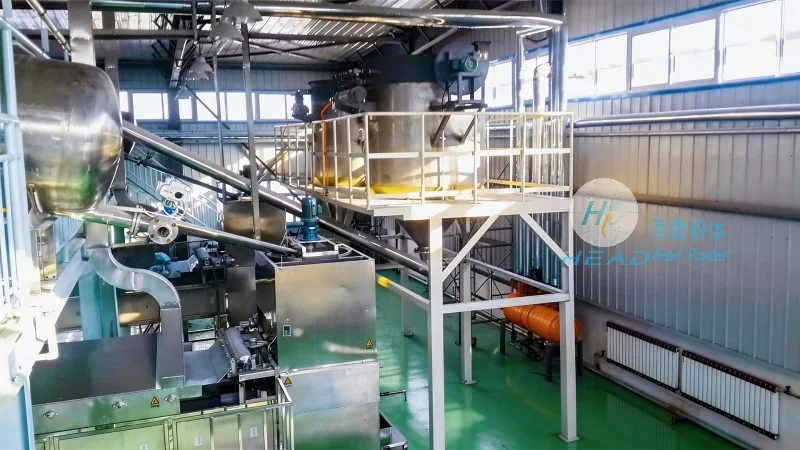
A typical copper sulfate powder conveyor consists of several key components that work in tandem to achieve efficient material transport. The hopper, where the powder is stored, is designed with a sloped bottom to facilitate gravity feeding. It may include a discharge valve or gate to control the flow of material into the conveyor. The conveyor itself can be a screw conveyor, pneumatic conveyor, or a combination of both, depending on the application requirements. For copper sulfate, a screw conveyor is often preferred due to its ability to handle fine powders without excessive friction or product degradation. The screw, made from corrosion-resistant materials, rotates at a controlled speed to move the powder through the system.
For pneumatic conveyors, air is used to transport the powder in a sealed pipeline. This method is particularly effective for long-distance transport or when the powder needs to be moved through complex routes. The system includes a blower or compressor to generate the necessary air pressure, with filters and moisture traps to maintain air quality and prevent contamination. The design of the pipeline and air velocity is critical to ensure that the copper sulfate powder is transported without clogging or degradation. Additionally, the conveyor may include a dust collection system at the discharge end to capture any airborne particles and maintain a clean working environment.
Advantages of Using a Copper Sulfate Powder Conveyor
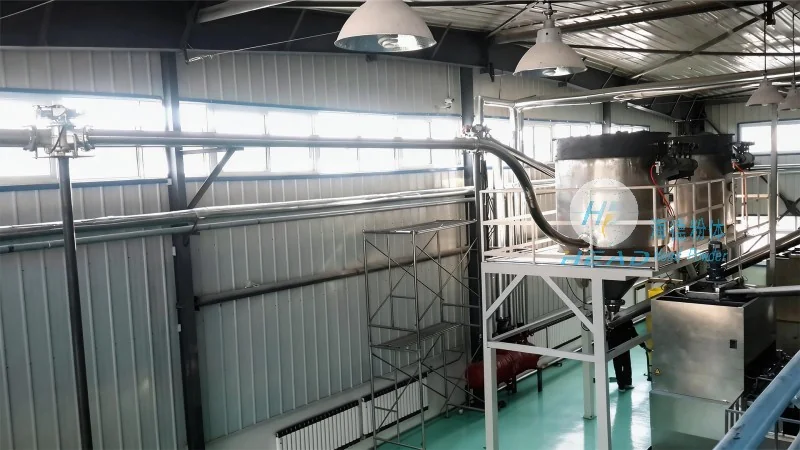
Implementing a copper sulfate powder conveyor offers several advantages over traditional handling methods. First, it significantly improves operational efficiency by automating the material transport process, reducing labor costs and minimizing downtime. The consistent flow and controlled speed of the conveyor ensure that production processes are not interrupted by material shortages or overflows. Second, the system enhances product quality by preventing contamination and maintaining the purity of the copper sulfate powder. This is crucial in applications where the material is used for agricultural purposes or in sensitive chemical processes. Third, the design of the conveyor minimizes dust generation and improves workplace safety by incorporating sealed systems and dust collection mechanisms. This reduces the risk of respiratory issues and equipment damage caused by dust accumulation.
Furthermore, the copper sulfate powder conveyor from Shandong HeadPowder Engineering Co., Ltd. is designed for durability and low maintenance. The use of high-quality materials and robust construction ensures that the system can withstand the corrosive nature of copper sulfate and the demands of continuous operation. The company’s commitment to quality control and customer support ensures that users receive reliable equipment that meets their specific needs. By investing in a properly designed copper sulfate powder conveyor, businesses can enhance their productivity, reduce operational costs, and ensure compliance with safety and environmental regulations.