

What is an Anhydrous Sodium Sulfate Powder Conveyor? What is its Design Principle?
When it comes to handling anhydrous sodium sulfate powder in industrial settings, the choice of equipment plays a crucial role in ensuring efficiency, safety, and reliability. A specialized piece of machinery known as an anhydrous sodium sulfate powder conveyor is designed to address the unique challenges associated with transporting this specific chemical. This article aims to explore what an anhydrous sodium sulfate powder conveyor is and delve into its fundamental design principles, providing insights into how such equipment operates and why it is essential in various industrial applications.
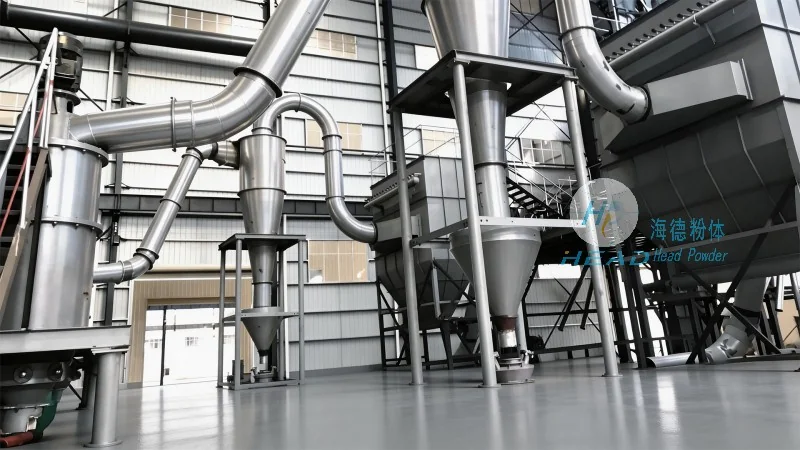
An Overview of Anhydrous Sodium Sulfate and Its Handling Requirements
Anhydrous sodium sulfate, also known as sodium sulfate anhydrous, is a white crystalline powder commonly used in industries such as glass manufacturing, paper production, and chemical processing. Due to its fine particle size and potential for dust generation, handling this material requires specialized equipment that can maintain product integrity while ensuring safe and efficient transport. Traditional methods like manual handling or basic conveyor systems often fall short in meeting the demands of modern industrial processes, leading to the development of dedicated powder conveyors tailored for anhydrous sodium sulfate.
Introducing HeadPowder: A Leading Manufacturer in Powder Handling Solutions
At the heart of reliable anhydrous sodium sulfate powder conveyor systems is the expertise and innovation of companies like Shandong HeadPowder Engineering Co., Ltd., commonly referred to as HeadPowder. Based in Shandong, China, HeadPowder has established itself as a trusted provider of advanced powder handling equipment. The company specializes in designing and manufacturing conveyors, feeders, and related systems that cater to the specific needs of industries dealing with fine powders. With a focus on quality, durability, and performance, HeadPowder’s products are engineered to meet the rigorous standards of modern industrial operations.
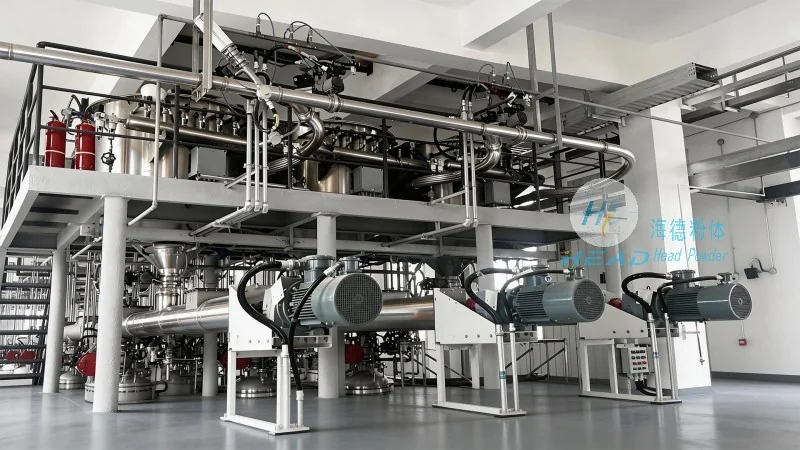
The Design Principles of Anhydrous Sodium Sulfate Powder Conveyors
The design of an anhydrous sodium sulfate powder conveyor is built upon several key principles aimed at optimizing performance and ensuring safe operation. First and foremost, the equipment must be constructed to prevent material buildup and clogging, which is a common issue with fine powders like anhydrous sodium sulfate. This is achieved through features such as smooth internal surfaces, appropriate material selection for the conveyor components, and effective sealing mechanisms to prevent dust leakage. Additionally, the conveyor must be capable of maintaining the integrity of the powder, avoiding issues like agglomeration or degradation that could affect the material’s quality.
Another critical design principle is the consideration of the material’s flow characteristics. Anhydrous sodium sulfate has specific flow properties that influence how it behaves in a conveyor system. Engineers at HeadPowder carefully analyze these properties to design conveyors with appropriate incline angles, feed mechanisms, and discharge systems that ensure consistent and controlled flow. This includes the use of specialized feeders, such as screw feeders or vibratory feeders, which are integrated into the conveyor system to regulate the material’s flow rate and prevent overloading or underloading of the conveyor.
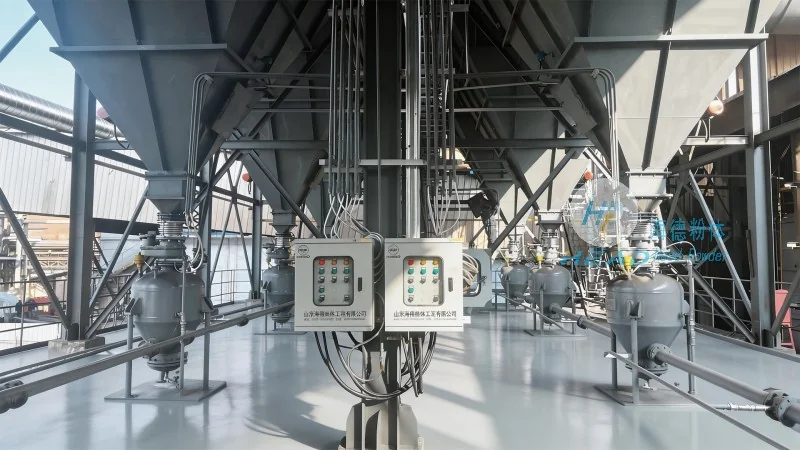
Key Components and Operational Mechanisms
An anhydrous sodium sulfate powder conveyor typically consists of several key components that work in harmony to achieve efficient material transport. The primary components include a hopper for material storage, a conveyor belt or screw mechanism for transporting the powder, and a discharge system for delivering the material to its destination. The hopper is designed with a wide opening and smooth interior to minimize material bridging and ensure easy access for loading. The conveyor mechanism, whether it is a belt conveyor or a screw conveyor, is engineered to handle the specific characteristics of anhydrous sodium sulfate, such as its fine particle size and potential for static charge buildup.
Static charge management is a crucial aspect of powder handling, as it can lead to material sticking to the conveyor surfaces or causing electrical hazards. HeadPowder’s designs incorporate anti-static features, such as conductive materials or grounding systems, to mitigate these risks. The discharge system is also carefully designed to prevent material spillage and ensure a smooth transition from the conveyor to the downstream process. In some cases, additional components like dust collection systems or air filtration units may be integrated to enhance safety and environmental compliance.
Advantages and Applications of Anhydrous Sodium Sulfate Powder Conveyors
The use of an anhydrous sodium sulfate powder conveyor offers numerous advantages over traditional handling methods. By automating the material transport process, these systems reduce labor costs and improve operational efficiency. They also minimize the risk of dust exposure and contamination, which is critical in industries where product purity is paramount. Furthermore, the consistent flow and controlled discharge provided by these conveyors help maintain the quality of the anhydrous sodium sulfate, ensuring it meets the required specifications for downstream applications.
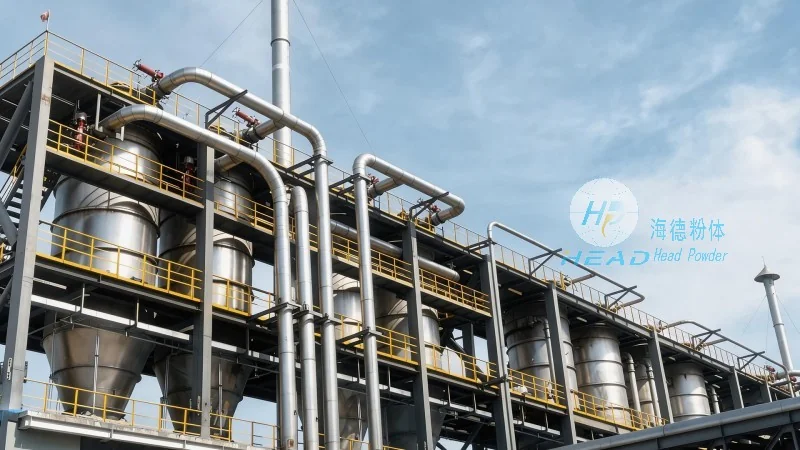
These conveyors find applications in various industries where anhydrous sodium sulfate is a key ingredient. In the glass industry, for example, the powder is used as a flux to lower the melting point of silica, and a conveyor system ensures a steady supply of the material to the glass-making process. In the paper industry, anhydrous sodium sulfate is used as a filler or sizing agent, and the conveyor facilitates its integration into the paper production line. Similarly, in chemical processing, the powder is used in various reactions, and the conveyor ensures a reliable supply of the material to the reaction vessels.
Conclusion: The Importance of Specialized Equipment for Anhydrous Sodium Sulfate Handling
In conclusion, an anhydrous sodium sulfate powder conveyor is a vital piece of equipment for industries dealing with this specific chemical. Its design, built upon principles of material flow, static control, and durability, ensures efficient and safe transport of the powder. Companies like Shandong HeadPowder Engineering Co., Ltd. play a crucial role in developing and manufacturing such equipment, providing industrial users with reliable solutions that meet their operational needs. By investing in specialized powder handling systems, industries can enhance productivity, maintain product quality, and ensure compliance with safety and environmental regulations.