

What is Chilli Powder Material Handling Equipment? And What Are Its Design Principles?
Chilli powder, a staple in culinary arts worldwide, requires efficient and reliable equipment for its handling, processing, and transportation. This article explores the essential components of chilli powder material handling equipment and delves into the design principles that ensure optimal performance and safety in industrial settings.
About HeadPowder: Your Trusted Partner in Material Handling Solutions
HeadPowder, operating as Shandong HeadPowder Engineering Co., Ltd., is a leading manufacturer specializing in custom material handling equipment tailored to the unique needs of the food processing industry. With a focus on durability, efficiency, and compliance with industry standards, HeadPowder has established itself as a trusted provider of high-quality solutions for businesses dealing with spices, powders, and other granular materials. The company’s headquarters is located in Shandong, China, where it leverages advanced manufacturing techniques and a team of experienced engineers to deliver innovative equipment that meets the demands of modern food processing operations.
Key Components of Chilli Powder Material Handling Equipment
The core of any chilli powder material handling system typically includes several critical components designed to handle the material from raw processing to final packaging. These components work in tandem to ensure smooth and safe operation. The primary elements include:
- Feeders: Equipment such as screw feeders or vibratory feeders that control the flow of chilli powder from storage silos or hoppers into processing lines. These devices help maintain consistent material flow rates, preventing overloading or underflow that could lead to equipment damage or product loss.
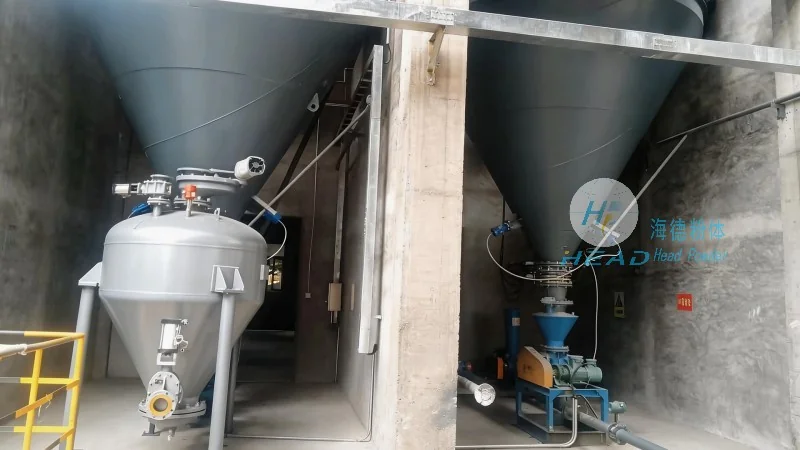
- Pneumatic Conveying Systems: Often used for transporting chilli powder over longer distances or between different processing stages, pneumatic systems utilize air pressure to move the material through pipelines. This method is particularly effective for handling fine powders, as it minimizes product degradation and contamination risks.
- Conveyors: Belt conveyors or chain conveyors are commonly employed for horizontal or inclined transport of chilli powder. These systems are robust and capable of handling varying material loads, ensuring reliable movement of the product from one stage to another.
- Separation and Screening Equipment: To maintain product quality, chilli powder may require separation from foreign materials or oversized particles. Vibrating screens or air classifiers are used to achieve this, ensuring that only the desired particle size and quality of chilli powder proceed to the next step.
- Packaging Equipment: The final stage of the material handling process involves packaging the processed chilli powder into bags, containers, or other packaging formats. This equipment must be designed to handle the material without causing contamination and to ensure accurate filling and sealing.
Design Principles for Optimal Chilli Powder Material Handling Equipment
The design of chilli powder material handling equipment is guided by several key principles aimed at maximizing efficiency, safety, and product quality. These principles are critical for ensuring that the equipment operates reliably in industrial environments and meets the stringent requirements of food processing regulations.

1. Material Compatibility: The equipment must be constructed from materials that are non-reactive with chilli powder and resistant to corrosion, moisture, and heat. Common materials include stainless steel, food-grade plastics, and specialized coatings that prevent product contamination and equipment wear. This ensures that the chilli powder remains pure and free from any unwanted additives or contaminants.
2. Dust Control and Explosion Prevention: Chilli powder is a fine, combustible material that poses a significant dust explosion risk. Therefore, all equipment must incorporate effective dust control measures, such as sealed enclosures, explosion-proof designs, and proper ventilation systems. These features help mitigate the risk of explosions and ensure the safety of personnel and the facility.
3. Hygiene and Cleanability: In food processing, maintaining high levels of hygiene is paramount. The design of chilli powder handling equipment must facilitate easy cleaning and sanitation. Smooth surfaces, minimal crevices, and easy-to-remove components are essential to prevent the accumulation of product residue and bacterial growth. This ensures compliance with food safety regulations and maintains product quality.
4. Energy Efficiency: Modern design principles emphasize energy efficiency to reduce operational costs and environmental impact. Equipment is designed to minimize energy consumption while maintaining optimal performance. This includes using efficient motors, optimizing material flow rates, and incorporating energy-saving features such as variable speed drives.
5. Scalability and Customization: The design of chilli powder material handling equipment should allow for scalability to accommodate growing production needs. Additionally, the equipment should be customizable to meet the specific requirements of different production lines, including varying material types, processing capacities, and output specifications. This flexibility ensures that the equipment can adapt to the evolving needs of the business.