

Coking Coal Granular Material Conveying Line: What It Is and Its Design Principles
For industrial operations dealing with coking coal, the efficient and reliable transport of granular materials is crucial. A coking coal granular material conveying line is a specialized system engineered to handle the movement of coking coal from its source to processing or storage facilities. This system is designed to ensure smooth, continuous operation while maintaining the quality and integrity of the coal. The core components and design principles of such a line are tailored to meet the specific demands of coking coal handling, providing a robust solution for industrial applications.
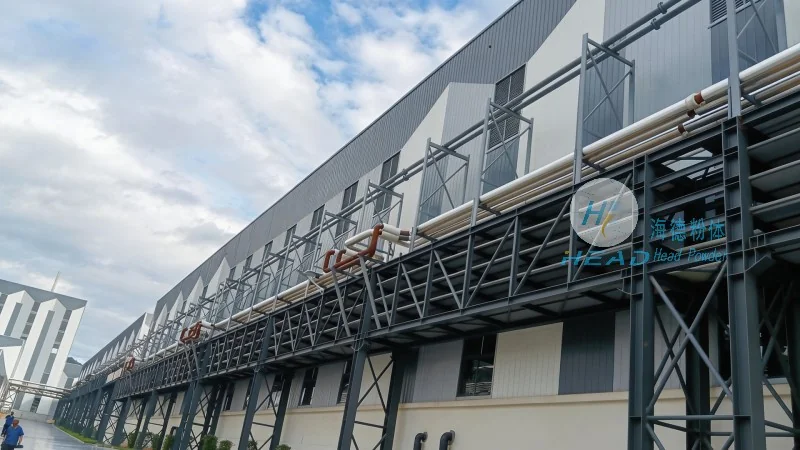
Key Components of a Coking Coal Conveying Line
The coking coal granular material conveying line typically consists of several key components that work in tandem to facilitate material transport. These components include feeders, conveyors (such as belt conveyors or screw conveyors), transfer points, and control systems. Each component plays a vital role in the overall functionality of the line. For instance, feeders are responsible for uniformly distributing the coal into the conveyor system, preventing blockages and ensuring consistent flow. Conveyors, often belt-based, are designed to handle the weight and abrasiveness of coking coal, with reinforced structures and durable materials to withstand the rigors of continuous operation. Transfer points are strategically placed to redirect the coal flow, minimizing spillage and maintaining a clean operation. Control systems, equipped with sensors and automation, monitor the entire process, ensuring optimal performance and safety.
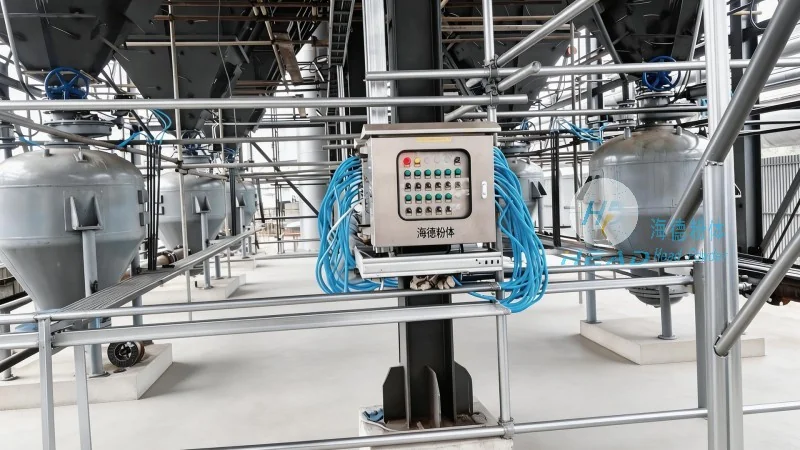
Design Principles for Efficient Material Transport
The design of a coking coal granular material conveying line is guided by several fundamental principles aimed at maximizing efficiency, safety, and durability. One of the primary principles is the optimization of material flow. Engineers carefully calculate the speed, inclination, and capacity of the conveyor to ensure that the coking coal moves smoothly without excessive friction or degradation. This involves considering factors like the coal's density, moisture content, and particle size distribution, as these variables can significantly impact the conveying process. Another critical principle is the selection of appropriate materials for construction. Components such as conveyor belts, idlers, and frames are made from abrasion-resistant materials, such as rubber or steel, to withstand the harsh conditions of coking coal handling. Additionally, the design incorporates features to minimize maintenance and downtime, including easy access for inspections and quick replacement of worn parts.
HeadPowder's Expertise in Conveying Line Solutions
Shandong HeadPowder Engineering Co., Ltd., a leading provider of industrial conveying solutions, specializes in designing and manufacturing coking coal granular material conveying lines tailored to the unique needs of clients. With years of experience in the industry, HeadPowder leverages advanced engineering techniques and high-quality materials to deliver systems that meet or exceed industry standards. The company's team of experts works closely with clients to understand their specific requirements, from raw material characteristics to operational constraints, ensuring that the final design is both efficient and cost-effective. HeadPowder's commitment to quality and customer satisfaction is reflected in the robust performance of their conveying lines, which are built to last and provide reliable service for years.
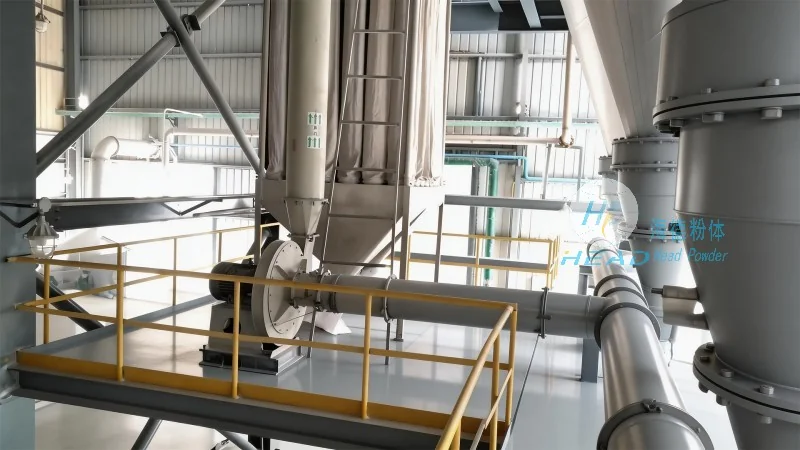
Applications and Benefits of Coking Coal Conveying Lines
Coking coal granular material conveying lines are widely used in various industrial settings, including coking plants, coal preparation facilities, and power generation plants. These systems are essential for the seamless transport of coking coal, which is a critical raw material in the production of coke, a key component in steelmaking. The benefits of using a well-designed conveying line include improved operational efficiency, reduced labor costs, and enhanced safety. By automating the material transport process, companies can minimize the risk of accidents and injuries associated with manual handling. Additionally, the consistent flow of coking coal ensures that downstream processes, such as coking and combustion, operate smoothly, leading to higher productivity and better product quality. HeadPowder's conveying lines are designed to deliver these benefits, providing clients with a reliable and efficient solution for their coking coal handling needs.