

What is a Resin Granule Material Conveying Line? And What Are Its Design Principles?
Resin granule material conveying lines are specialized industrial systems engineered to transport resin granules efficiently and reliably. These systems are critical in manufacturing processes where resin materials need to be moved from storage to processing equipment, such as extruders, mixers, or reactors. The design of these conveying lines is tailored to handle the unique properties of resin granules, including their size, density, and flow characteristics, ensuring minimal material degradation and optimal operational performance.
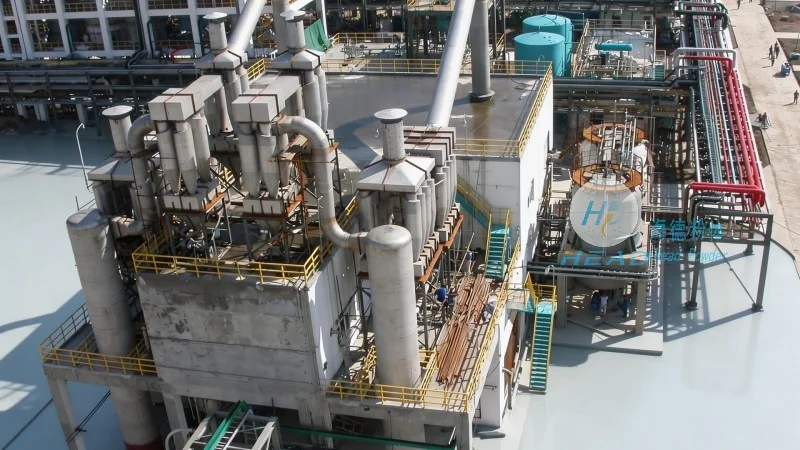
Understanding the Core Components of Resin Granule Conveying Systems
At the heart of a resin granule material conveying line are several key components that work in concert to ensure smooth material transfer. The primary components typically include a hopper or storage bin to hold the resin granules, a feeding mechanism (such as a screw feeder or rotary valve) to control the flow rate, a conveyor system (like a pneumatic or mechanical conveyor) to transport the material, and a control system to regulate the entire process. Each component is selected based on the specific requirements of the resin type and the production environment.
The Design Principles Behind Resin Granule Conveying Lines
The design principles for resin granule conveying lines are centered on ensuring efficiency, reliability, and safety. One of the fundamental principles is the minimization of material degradation, which can occur due to friction, impact, or exposure to air. To achieve this, designers often incorporate features like smooth, low-friction surfaces, gentle material handling mechanisms, and enclosed systems to prevent contamination. Another key principle is the optimization of flow characteristics. Resin granules can have varying flow properties, and the design must account for factors such as bulk density, angle of repose, and cohesive forces to prevent bridging or clogging in the conveying system.
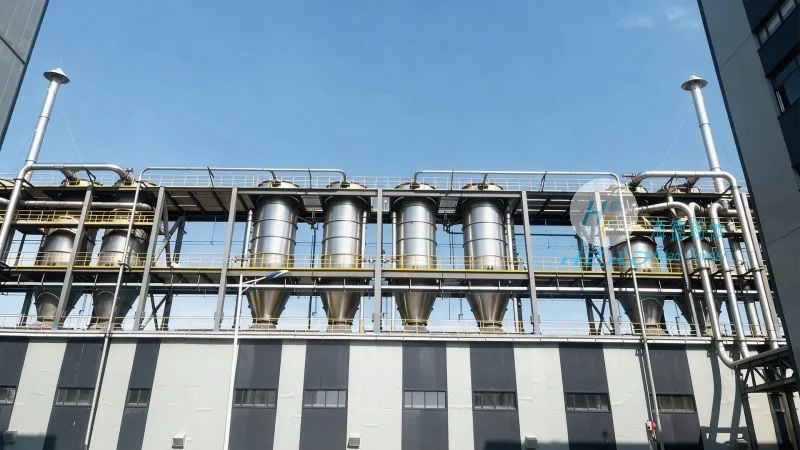
Key Design Considerations for Resin Granule Conveying Lines
When designing a resin granule material conveying line, several critical factors must be considered to ensure the system meets operational demands. First, the material handling capacity is a primary consideration, as it determines the throughput of the system. This is influenced by the size of the hopper, the speed of the conveyor, and the feeding rate. Second, the system must be designed to handle the specific physical properties of the resin granules, including their size distribution, moisture content, and potential for static electricity. For example, resin granules may generate static charge, which can lead to material buildup and clogging. Therefore, anti-static measures, such as grounding or ionizing equipment, are often incorporated into the design.
HeadPowder's Expertise in Resin Granule Conveying Solutions
Shandong HeadPowder Engineering Co., Ltd., a leading manufacturer of material handling equipment, specializes in designing and manufacturing high-quality resin granule material conveying lines. With years of experience in the industry, HeadPowder has developed a deep understanding of the unique challenges associated with resin granule handling. The company's team of engineers employs advanced design principles and cutting-edge technology to create customized solutions that meet the specific needs of each client. HeadPowder's products are known for their durability, efficiency, and reliability, making them a trusted choice for manufacturers in the resin processing industry.
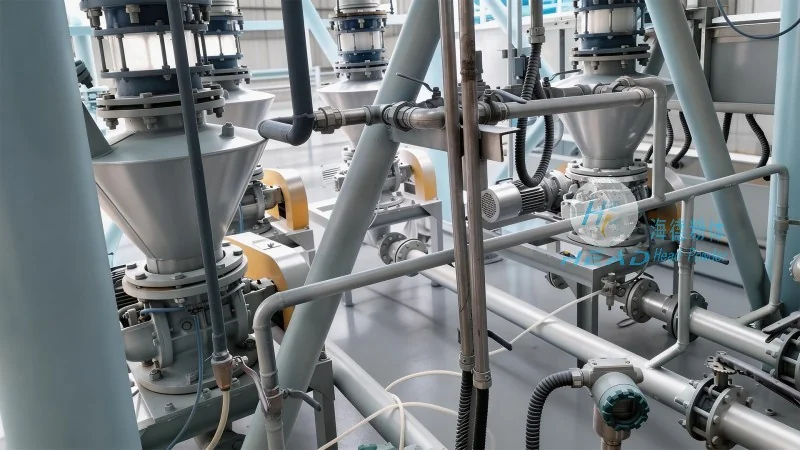
Ensuring Reliability and Efficiency in Resin Conveying Operations
Reliability and efficiency are paramount in resin granule conveying operations. A well-designed conveying line minimizes downtime and maximizes production output. To achieve this, designers focus on factors such as the selection of appropriate conveyor types (e.g., pneumatic conveyors for light materials or screw conveyors for heavier granules), the integration of advanced control systems for real-time monitoring, and the implementation of maintenance-friendly designs. Additionally, the use of high-quality materials in the construction of the conveying line, such as corrosion-resistant stainless steel or wear-resistant components, ensures long-term performance and reduces the need for frequent repairs.
Customization and Adaptability in Resin Granule Conveying Systems
Resin granule material conveying lines are often customized to fit the specific requirements of individual manufacturing processes. This customization can include adjustments to the conveyor length, the type of feeding mechanism, the size of the hopper, and the control system. For example, a small-scale operation may require a compact conveying line with a lower capacity, while a large-scale production facility may need a longer, more robust system with higher throughput. HeadPowder offers a range of customizable solutions, allowing clients to tailor the conveying line to their unique production needs. This adaptability ensures that the system can be integrated seamlessly into existing production lines and can evolve as the manufacturing process changes over time.