

What is a Dry Lime Powder Conveying Equipment? And What Are Its Design Principles?
For industrial applications that require the efficient and safe transport of dry lime powder, specialized equipment is essential. This article explores the concept of dry lime powder conveying equipment and delves into the fundamental design principles that underpin its operation, providing insights into how such systems are engineered to meet the demands of various industrial processes. Shandong HeadPowder Engineering Co., Ltd., a leading manufacturer in the field, specializes in designing and supplying high-quality dry lime powder conveying equipment tailored to the unique needs of industrial clients.
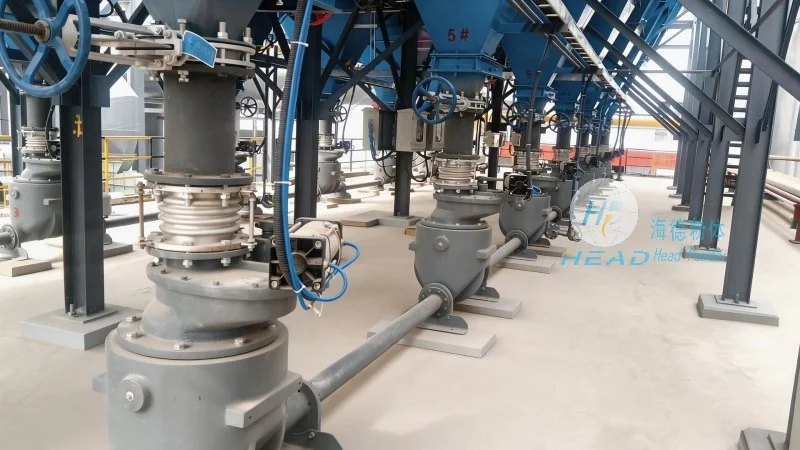
Understanding Dry Lime Powder Conveying Equipment
Dry lime powder conveying equipment is a critical component in industries where lime is used as a raw material or a processing agent. The primary function of this equipment is to transport dry lime powder from storage silos or production areas to processing units, such as reactors or mixing stations, with minimal loss and maximum efficiency. These systems are designed to handle the unique properties of lime powder, which can be abrasive, dusty, and prone to caking under certain conditions. The equipment must ensure that the powder is conveyed without degradation, ensuring consistent quality for downstream applications.
Key Components of Dry Lime Powder Conveying Systems
At the core of any dry lime powder conveying system are several key components that work in tandem to achieve reliable operation. The first component is the feeding mechanism, which is responsible for drawing the dry lime powder from the source and introducing it into the conveying line. Common feeding methods include rotary valves, star feeders, or pressure feeders, each chosen based on the specific characteristics of the lime powder and the system's operational requirements. The feeding mechanism must be capable of handling the powder's flow properties, ensuring a consistent and controlled feed rate.
The second critical component is the conveying pipeline, which can be made of various materials depending on the application. Materials such as stainless steel, polyethylene, or special coatings are often used to prevent corrosion and ensure durability, as lime powder can be chemically aggressive. The pipeline design must also consider the risk of powder buildup or blockages, which can lead to system inefficiencies or failures. To mitigate these risks, systems may incorporate features like vibration devices or air purge systems to maintain flow and prevent clogging.
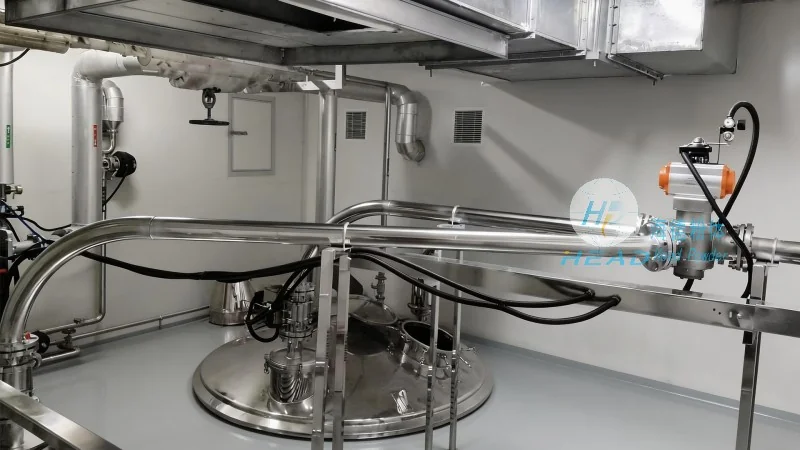
The third essential component is the drive system, which provides the necessary power to move the powder through the pipeline. This can range from electric motors to pneumatic systems, depending on the scale and complexity of the operation. The drive system must be capable of delivering consistent torque and speed to maintain the desired conveying rate, even under varying load conditions. Additionally, the drive system may include variable speed drives to allow for adjustments based on the volume of material being transported.
Design Principles for Efficient Dry Lime Powder Conveying
The design of dry lime powder conveying equipment is guided by several key principles aimed at maximizing efficiency, safety, and reliability. One of the primary principles is the minimization of powder degradation during transport. This is achieved through the use of gentle conveying methods, such as pneumatic or mechanical systems that reduce the impact and friction on the powder particles. The equipment is also designed to maintain a consistent temperature and humidity level, as changes in these factors can affect the powder's properties and cause agglomeration.
Another critical design principle is the prevention of dust emissions and environmental contamination. Dry lime powder is a fine particulate that can pose health and safety risks if not properly contained. The conveying system incorporates dust collection and filtration systems to capture any particles that escape the pipeline, ensuring compliance with environmental regulations and protecting the health of personnel. The design also considers the need for easy maintenance and cleaning, as lime powder can adhere to surfaces and create cleaning challenges.
A third important principle is the optimization of energy consumption. Efficient design involves selecting the appropriate conveying method and drive system to minimize energy usage while maintaining the required throughput. This may involve using variable speed drives to adjust the system's output based on demand, or incorporating energy recovery systems to recycle unused power. The goal is to achieve a balance between operational efficiency and cost-effectiveness, ensuring that the system operates within budgetary constraints without compromising performance.
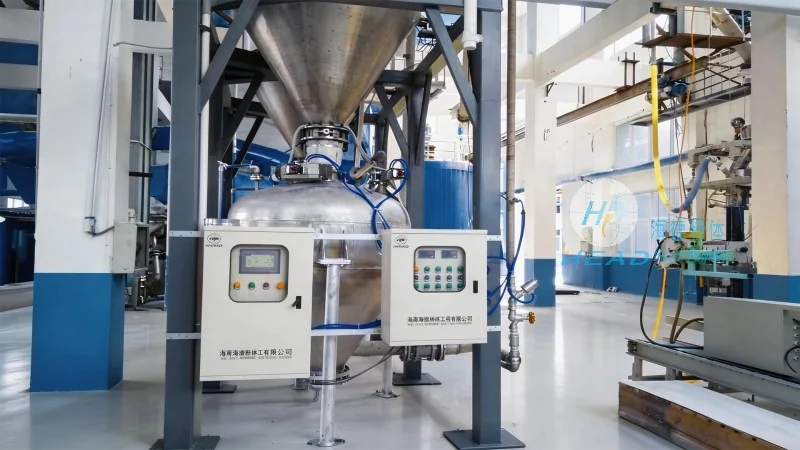
The Role of Material Handling in Industrial Processes
Dry lime powder conveying equipment plays a vital role in the overall material handling strategy of industrial facilities. By providing a reliable and efficient means of transporting lime powder, these systems contribute to the smooth operation of downstream processes, such as chemical reactions, water treatment, or cement production. The equipment's design must align with the specific requirements of the application, whether it involves short-distance transport within a facility or long-distance movement between different production sites.
In addition to its functional role, the equipment also contributes to the overall safety and productivity of the workplace. Properly designed conveying systems reduce the need for manual handling of dry lime powder, which can be hazardous due to dust inhalation and physical exposure. This not only improves worker safety but also enhances operational efficiency by reducing downtime caused by manual material handling. The equipment's integration with other process systems, such as storage silos and processing units, ensures a seamless flow of materials, minimizing bottlenecks and maximizing productivity.
Conclusion
Dry lime powder conveying equipment is a sophisticated system that combines mechanical engineering principles with material science knowledge to ensure the efficient and safe transport of dry lime powder. The design principles that guide these systems focus on minimizing degradation, preventing dust emissions, optimizing energy use, and enhancing overall operational efficiency. As a key component in industries that rely on lime as a raw material, such equipment is essential for maintaining production quality and safety standards. By understanding the design principles and components of dry lime powder conveying systems, industrial facilities can select and implement the most appropriate equipment to meet their specific needs, ensuring long-term operational success.