

What is a Nitrate Ammonium Fertilizer Material Handling System? And What Are Its Design Principles?
As a critical nitrogen source in modern agriculture, nitrate ammonium (NH4NO3) fertilizer plays a vital role in enhancing crop yields and supporting sustainable farming practices. The efficient and safe transportation of this material from production facilities to end-users is essential for maintaining supply chain integrity and ensuring optimal agricultural productivity. This article explores the nitrate ammonium fertilizer material handling system, detailing its components, operational principles, and design considerations.
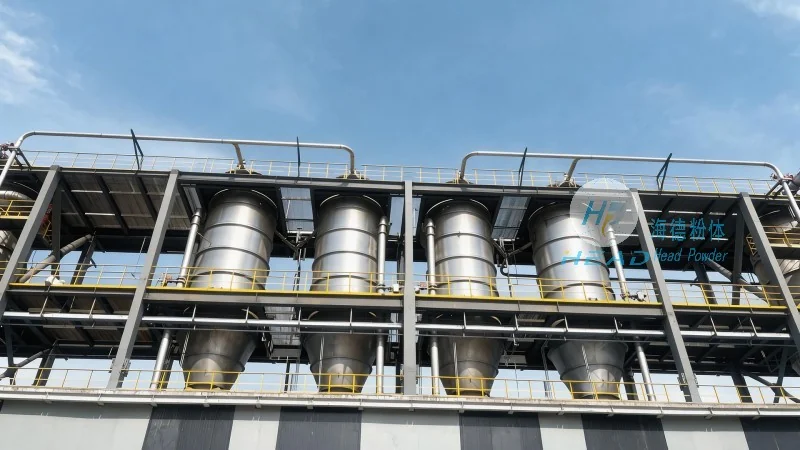
About HeadPowder Engineering: Your Trusted Partner in Material Handling Solutions
HeadPowder Engineering, a leading provider of specialized material handling equipment, is dedicated to delivering high-quality solutions tailored to the unique needs of the fertilizer industry. With a strong presence in Shandong, China, the company leverages years of experience and technical expertise to design, manufacture, and implement efficient nitrate ammonium fertilizer handling systems. The company’s commitment to innovation, safety, and reliability makes it a preferred choice for agricultural and industrial clients seeking dependable material handling solutions.
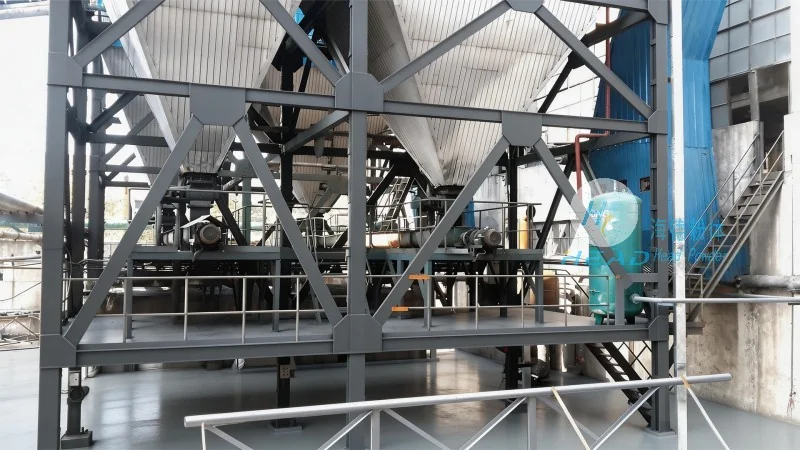
Key Components of a Nitrate Ammonium Fertilizer Material Handling System
A typical nitrate ammonium fertilizer material handling system comprises several interconnected components that work in harmony to ensure smooth operation. The primary elements include: conveying equipment, such as screw conveyors, belt conveyors, or pneumatic (air) conveying systems; storage facilities, like silos or hoppers, designed to accommodate bulk storage of the fertilizer; feeding and metering devices, which regulate the flow of material into downstream processes; and control systems, including sensors, valves, and automation software, that monitor and adjust operations in real-time. Each component is carefully selected and integrated to address the specific characteristics of nitrate ammonium fertilizer, such as its hygroscopic nature, potential for caking, and sensitivity to moisture.
Design Principles for Optimal Performance
The design of a nitrate ammonium fertilizer material handling system follows several key principles aimed at maximizing efficiency, safety, and longevity. First, material compatibility is paramount: components must be constructed from materials resistant to corrosion and chemical degradation, such as stainless steel or specialized alloys, to withstand the acidic and moisture-rich environment of the fertilizer. Second, flow optimization is critical to prevent blockages and ensure consistent throughput. This involves designing hoppers and chutes with appropriate angles and smooth surfaces to minimize friction and promote uniform material flow. Third, energy efficiency is a key consideration, as the system must operate within budgetary constraints while minimizing environmental impact. Advanced control systems and energy recovery mechanisms are often incorporated to reduce operational costs. Fourth, safety measures are integrated throughout the design, including explosion-proof components, dust suppression systems, and emergency shutdown protocols, to protect personnel and equipment from potential hazards associated with handling bulk fertilizers.
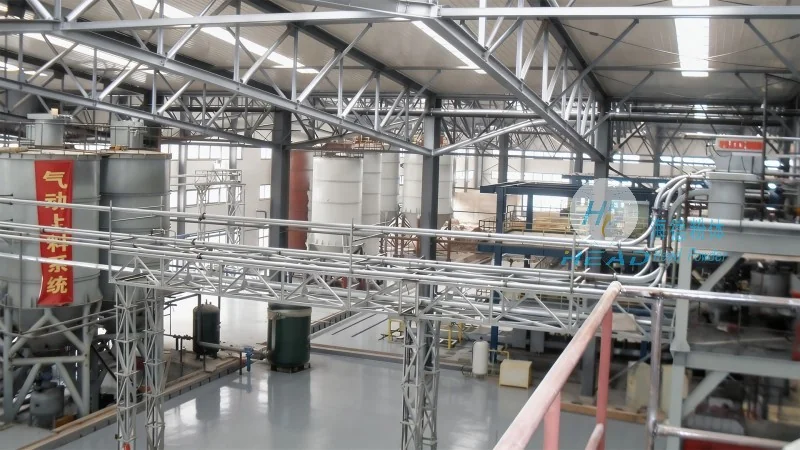
Operational Considerations and Best Practices
Effective operation of a nitrate ammonium fertilizer material handling system requires adherence to best practices to maintain performance and safety. Regular maintenance, including cleaning of equipment, inspection of conveyor belts, and calibration of sensors, is essential to prevent downtime and extend the system’s lifespan. Additionally, monitoring of key parameters such as temperature, humidity, and material flow rate helps identify potential issues before they escalate. Proper training for operators on system operation, safety protocols, and emergency procedures is also critical to ensure smooth and safe operation. By following these guidelines, users can maximize the efficiency and reliability of their nitrate ammonium fertilizer handling systems while minimizing risks.