

What is a Polyolefin Material Handling System? What are its Design Principles?
For industries dealing with polyolefin materials, understanding the appropriate material handling systems is crucial for operational efficiency and safety. This article explores the fundamental aspects of polyolefin material handling systems, focusing on their design principles and key components.
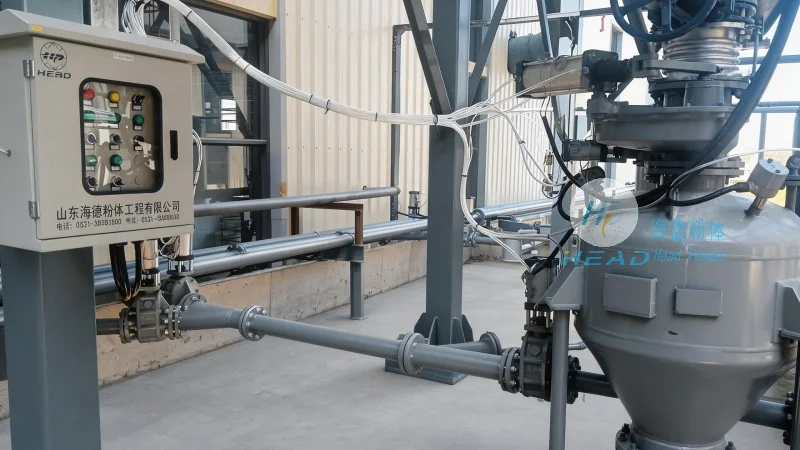
Polyolefin Material Handling Systems: An Overview
Polyolefin material handling systems are engineered to transport, store, and manage polyolefin-based materials, such as polyethylene (PE), polypropylene (PP), and other thermoplastic polymers. These systems are designed to handle the unique properties of polyolefins, including their lightweight, flexible, and sometimes abrasive characteristics. The primary goal of these systems is to ensure efficient material flow while maintaining product integrity and operational safety.
Key Design Principles for Polyolefin Material Handling
The design of polyolefin material handling systems adheres to several critical principles to address the specific challenges posed by polyolefin materials. These principles include:
1. **Material Compatibility**: Systems are constructed from materials that are compatible with polyolefins to prevent chemical reactions or degradation. This often involves using corrosion-resistant materials like stainless steel, special alloys, or coated components.
2. **Low Friction and Wear Resistance**: Polyolefins can be abrasive, so the system components, such as conveyor belts, rollers, and hoppers, are designed with low friction surfaces and wear-resistant materials to minimize material degradation and equipment wear.
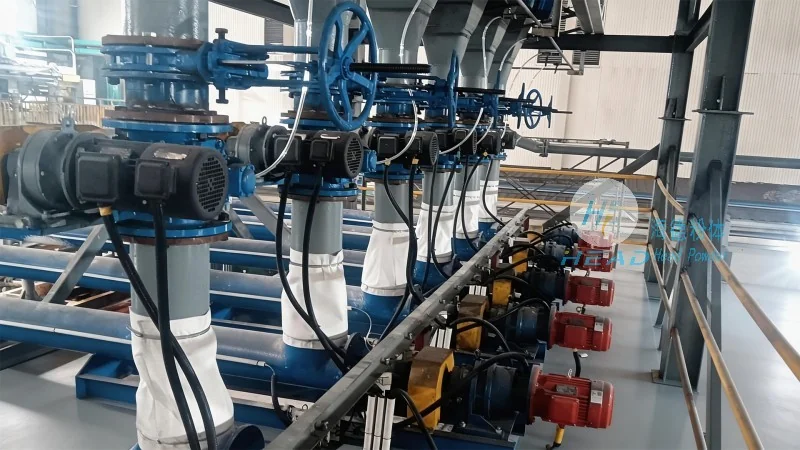
3. **Temperature Control**: Many polyolefin processes involve temperature-sensitive operations. The handling system must incorporate temperature control features, such as insulated hoppers or heated sections, to maintain the material's optimal processing temperature and prevent thermal degradation.
4. **Adequate Ventilation and Airflow**: Polyolefin powders and pellets can generate static electricity, which poses a fire or explosion risk. Therefore, proper ventilation and airflow are essential to dissipate static charges and maintain a safe working environment.
5. **Modular and Scalable Design**: Modern polyolefin handling systems are often modular, allowing for easy expansion or modification as production needs change. This flexibility ensures long-term operational efficiency and cost-effectiveness.
Core Components of Polyolefin Material Handling Systems
Effective polyolefin material handling systems consist of several interconnected components that work together to facilitate material movement. Key components include:

1. **Hoppers and Feeders**: Hoppers are used to store and feed polyolefin materials into the system. Feeders, such as rotary valves or vibratory feeders, regulate the flow of material to the conveyor or processing equipment.
2. **Conveyors**: Conveyors, including belt conveyors, screw conveyors, and pneumatic conveyors, transport polyolefin materials from one location to another. The choice of conveyor type depends on the material's characteristics and the system's requirements.
3. **Dust Control Systems**: To manage dust and prevent contamination, dust control systems are integrated into the handling process. These systems may include dust collectors, filtration units, and enclosed conveyor designs.
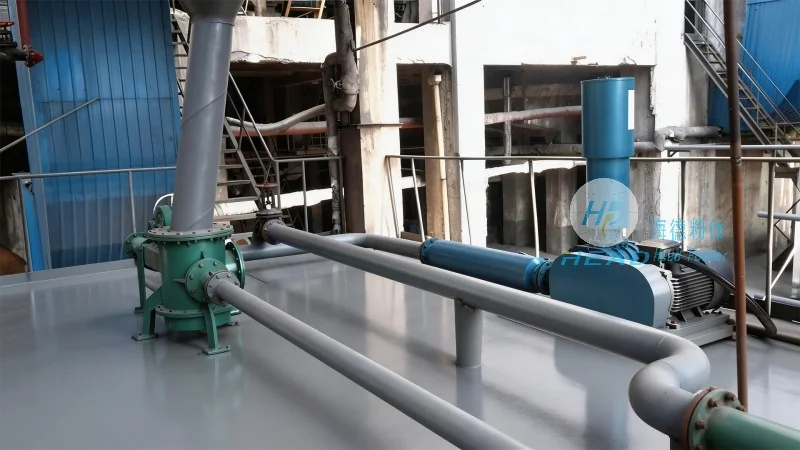
4. **Control and Monitoring Systems**: Advanced control systems monitor and regulate the entire handling process, ensuring consistent material flow, temperature, and pressure. These systems may include sensors, programmable logic controllers (PLCs), and data acquisition systems.
Applications and Benefits of Polyolefin Material Handling Systems
Polyolefin material handling systems are widely used in various industries, including plastics manufacturing, packaging, and chemical processing. The benefits of these systems include improved production efficiency, reduced material waste, enhanced safety, and lower operational costs.
By adhering to the design principles outlined above, manufacturers can ensure that their polyolefin handling systems are optimized for performance, reliability, and longevity. The integration of advanced materials, technology, and engineering expertise allows for the development of customized solutions that meet the specific needs of each application.
About Shandong HeadPowder Engineering Co., Ltd.
Shandong HeadPowder Engineering Co., Ltd., commonly known as HeadPowder, is a leading provider of specialized material handling solutions for polyolefin and other industrial materials. With a focus on innovation and customer-centric design, HeadPowder offers comprehensive systems that enhance operational efficiency and safety. HeadPowder is headquartered in Shandong, China, and serves clients globally with tailored solutions for their material handling challenges.