

What is Ammonium Bicarbonate Material Handling Equipment? And What Are Its Design Principles?
Ammonium bicarbonate is a widely used chemical compound in various industrial applications, and the efficient handling and transportation of this material require specialized equipment. This article explores the concept of ammonium bicarbonate material handling equipment and delves into the fundamental design principles that underpin its functionality.
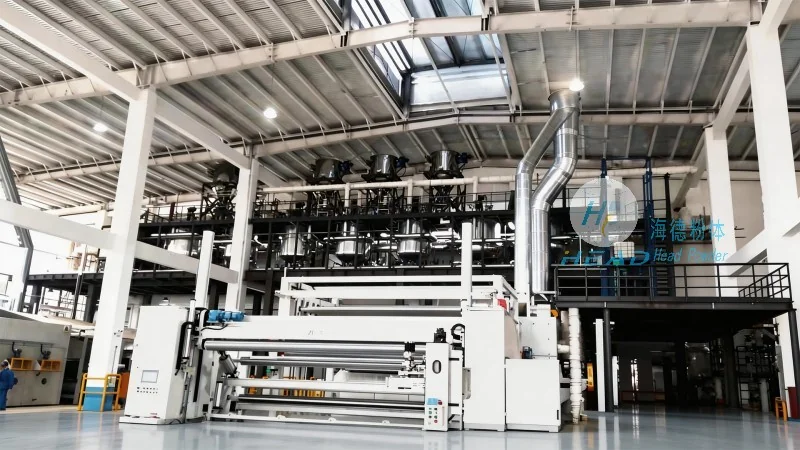
Understanding Ammonium Bicarbonate and Its Handling Needs
Ammonium bicarbonate (NH₄HCO₃) is a white crystalline powder with a slightly alkaline taste, commonly used as a leavening agent in baking, a fertilizer in agriculture, and a raw material in the production of other chemicals. Due to its hygroscopic nature and potential for decomposition under heat or pressure, handling this material demands precise control and specialized equipment to ensure safety, efficiency, and product integrity. The design of ammonium bicarbonate material handling equipment must address these unique characteristics to prevent caking, agglomeration, or loss of material quality during transport.
The Role of Material Handling Equipment in Ammonium Bicarbonate Processing
In industrial settings, the transportation of ammonium bicarbonate from storage to processing units or to end-users is critical for maintaining production continuity and meeting demand. Traditional methods like manual handling or basic conveyor systems are often insufficient for the scale and precision required. Specialized material handling equipment, such as pneumatic conveyors, screw conveyors, and bulk handling systems, are designed to manage the flow of this material while minimizing the risk of contamination or degradation. These systems are integral to the overall process, ensuring that the material is moved safely and efficiently from one stage to the next.
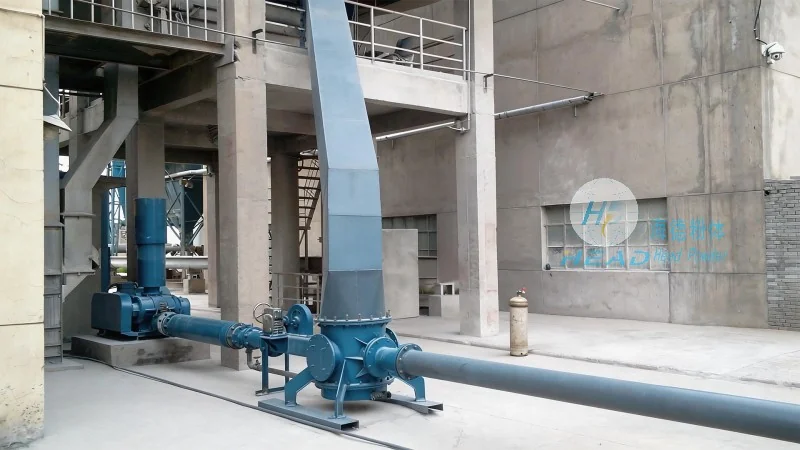
Design Principles of Ammonium Bicarbonate Material Handling Equipment
The design of ammonium bicarbonate material handling equipment is guided by several key principles to accommodate the material's properties and operational requirements. First, the equipment must be constructed from materials that are resistant to corrosion and chemical attack, as ammonium bicarbonate can be corrosive to certain metals. Stainless steel or specialized alloys are commonly used for components like hoppers, chutes, and conveyor belts to ensure durability and longevity. Second, the design must incorporate features that prevent caking and agglomeration, such as gentle material flow, anti-static measures, and temperature control. For example, pneumatic conveyors use air pressure to move the material in a controlled manner, reducing friction and the risk of clumping. Third, the equipment should be designed for easy cleaning and maintenance to prevent cross-contamination and ensure compliance with regulatory standards. This includes smooth surfaces, removable parts, and access points for inspection and cleaning.
Key Features of Ammonium Bicarbonate Handling Systems
Modern ammonium bicarbonate material handling systems from companies like Shandong HeadPowder Engineering Co., Ltd. (headpowder) incorporate advanced features to enhance performance and reliability. These systems often include: 1. Customizable Hopper and Chute Designs: Hoppers are designed with specific angles and shapes to minimize material buildup and ensure smooth flow. Chutes are lined with anti-stick materials to prevent caking and facilitate material movement. 2. Pneumatic Conveying Technology: Pneumatic systems use compressed air to transport the material in a closed loop, reducing dust exposure and improving safety. This technology is particularly effective for handling fine powders like ammonium bicarbonate. 3. Temperature and Humidity Control: Some systems include temperature regulation to prevent premature decomposition of the material, especially in storage or transport. Humidity control is also crucial to maintain material quality and prevent moisture-related issues. 4. Integrated Monitoring and Control: Advanced systems feature sensors and control panels that monitor flow rates, pressure, and material levels in real-time. This allows operators to adjust parameters dynamically, ensuring optimal performance and preventing equipment damage or material loss.
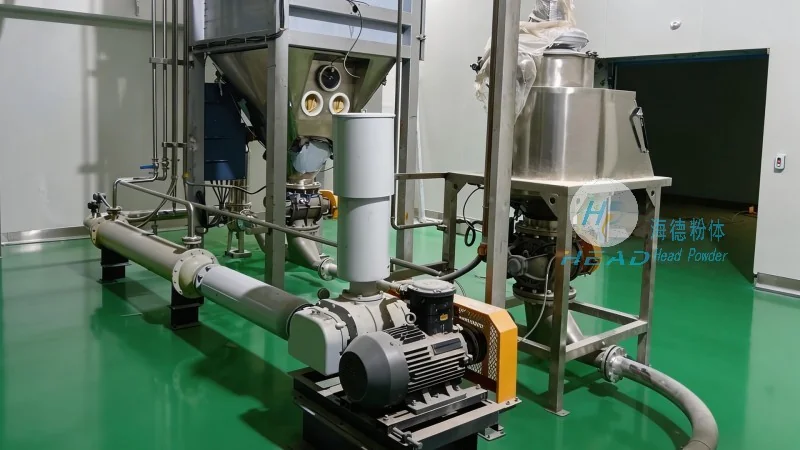
Benefits of Using Specialized Ammonium Bicarbonate Handling Equipment
Investing in specialized ammonium bicarbonate material handling equipment offers several benefits for industrial operations. Firstly, it improves safety by reducing the risk of dust explosions or material spills, which are common hazards in handling fine powders. Secondly, it enhances efficiency by streamlining the material flow process, reducing downtime and increasing production throughput. Thirdly, it maintains product quality by preventing contamination, caking, or degradation during transport. This is particularly important for applications where the material's purity and consistency are critical, such as in food production or pharmaceutical manufacturing. Additionally, specialized equipment can help companies comply with environmental and safety regulations, reducing the risk of fines or operational disruptions.
Conclusion: The Importance of Proper Design and Implementation
Ammonium bicarbonate material handling equipment is a critical component of industrial processes that rely on this versatile chemical. The design principles and features of these systems are tailored to address the unique challenges posed by ammonium bicarbonate, ensuring safe, efficient, and reliable material transport. Companies like Shandong HeadPowder Engineering Co., Ltd. specialize in developing and manufacturing such equipment, leveraging years of experience and advanced technology to meet the diverse needs of their clients. By investing in high-quality material handling systems, industrial operations can enhance productivity, maintain product quality, and ensure compliance with industry standards, ultimately contributing to their long-term success.