

What Are Molybdenum Trioxide Material Handling Equipment? And What Are Their Design Principles?
When it comes to handling molybdenum trioxide, specialized equipment is essential to ensure safe and efficient material transport. Molybdenum trioxide, also known as MoO3, is a high-purity chemical compound widely used in various industrial applications, including electronics, catalysts, and chemical synthesis. The proper handling of this material requires equipment designed to manage its unique properties, such as its fine particle size and potential reactivity under certain conditions.
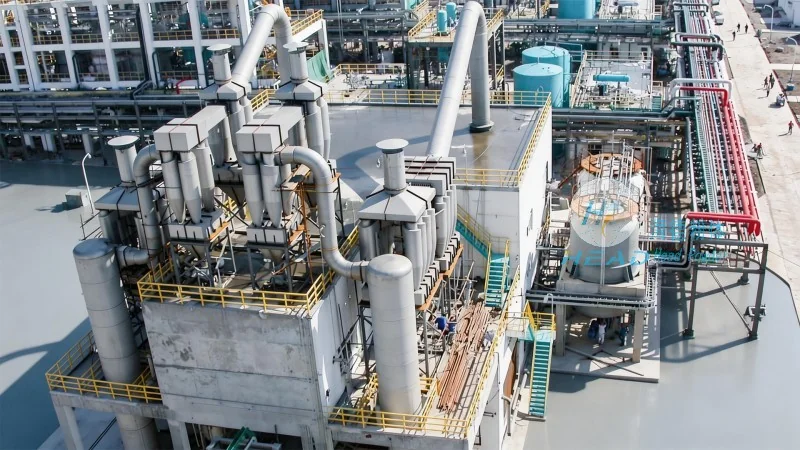
Understanding Molybdenum Trioxide Material Handling Equipment
Molybdenum trioxide material handling equipment is specifically engineered to transport, store, and process MoO3 while maintaining its quality and safety standards. These systems are designed to address the challenges associated with handling fine powders, ensuring minimal dust generation, and preventing contamination. The equipment typically includes components like feeders, conveyors, storage silos, and handling tools that are constructed from materials resistant to corrosion and chemical exposure.
Key Design Principles for Molybdenum Trioxide Handling Systems
The design of molybdenum trioxide material handling equipment follows several critical principles to ensure optimal performance and safety. First, the equipment must be constructed from materials that are compatible with MoO3, such as stainless steel or specialized alloys, to prevent chemical reactions that could degrade the material or cause equipment failure. Second, the system is engineered to minimize dust exposure, which is crucial for both worker safety and maintaining the purity of the material. This is achieved through enclosed designs, dust collection systems, and proper sealing mechanisms. Third, the equipment is designed for easy maintenance and cleaning to prevent cross-contamination and ensure consistent performance over time. Additionally, the system incorporates flow control mechanisms to regulate the movement of the material, preventing overloading or blockages that could lead to system downtime.
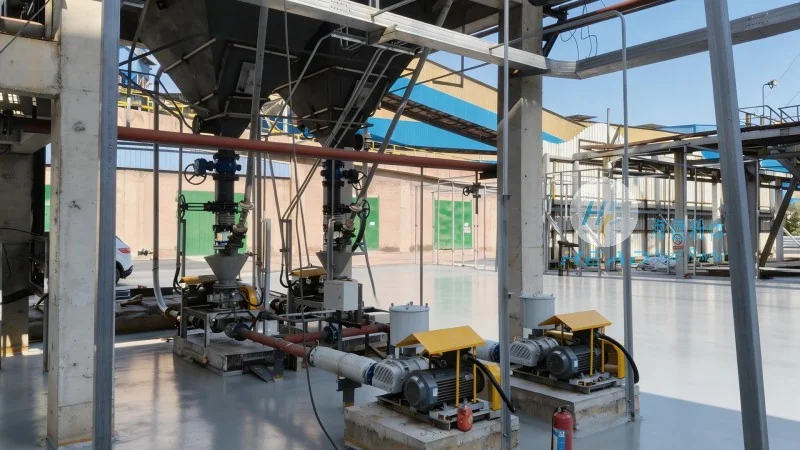
Components of a Typical Molybdenum Trioxide Material Handling System
A typical molybdenum trioxide material handling system consists of several interconnected components that work together to achieve efficient material transport. The primary components include a material feeder, which is responsible for delivering the MoO3 from the storage silo to the conveyor system. The feeder is often a rotary valve or a screw conveyor, designed to provide a consistent flow rate and prevent material bridging or caking. The conveyor system, which may be a belt conveyor or a pneumatic conveyor, transports the material to the processing or packaging area. The storage silo is a key component, typically made of stainless steel, and is designed to hold large quantities of MoO3 while maintaining its purity and preventing moisture absorption. The system also includes a dust collection system, which captures any airborne particles and returns them to the material stream or filters them for disposal. Finally, the control system monitors the operation of the equipment, ensuring that all components are functioning correctly and providing alerts in case of any issues.
The Role of Material Properties in Equipment Design
The design of molybdenum trioxide material handling equipment is heavily influenced by the physical and chemical properties of the material itself. MoO3 is a fine, white powder with a high surface area, which makes it prone to dust generation and potential reactivity with moisture or other chemicals. Therefore, the equipment is designed with enclosed structures and sealed connections to minimize exposure to the environment. The material's density and flow characteristics also play a role in the design of the feeder and conveyor systems, as these components must be optimized to handle the specific flow rates and pressure differentials required for MoO3. Additionally, the equipment is designed to be compatible with the material's thermal properties, as some applications may require temperature control during handling to prevent degradation or changes in the material's properties.
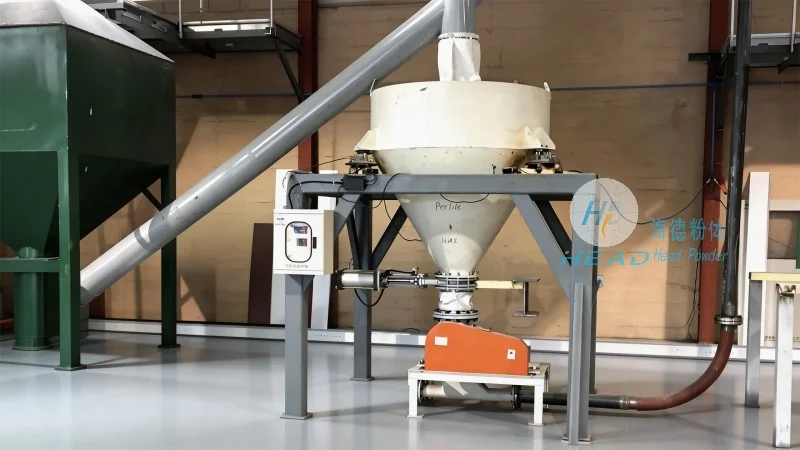
Applications of Molybdenum Trioxide Material Handling Equipment
Molybdenum trioxide material handling equipment is used in a variety of industrial applications where the material is processed or used as an ingredient. In the electronics industry, MoO3 is used as a precursor for molybdenum metal and as a catalyst in semiconductor manufacturing. The equipment is used to transport MoO3 from storage to the production line, ensuring that the material is delivered in a controlled manner and without contamination. In the chemical industry, MoO3 is used as a catalyst in various reactions, and the handling equipment is designed to deliver the material to reactors in precise quantities. The equipment is also used in the production of molybdenum compounds, where the material is processed and converted into other forms. In all these applications, the equipment plays a critical role in maintaining the quality and purity of the MoO3, which is essential for the success of the final product.
Choosing the Right Molybdenum Trioxide Material Handling Equipment
When selecting molybdenum trioxide material handling equipment, several factors must be considered to ensure that the system meets the specific needs of the application. First, the equipment must be designed to handle the specific properties of MoO3, including its particle size, density, and flow characteristics. Second, the system must be constructed from materials that are compatible with the material and resistant to corrosion and chemical exposure. Third, the equipment must be equipped with features that minimize dust generation and ensure worker safety. Fourth, the system should be easy to maintain and clean to prevent cross-contamination and ensure consistent performance. Finally, the equipment should be designed for scalability, allowing it to be expanded or modified as the production needs change. By considering these factors, manufacturers can select the right equipment to ensure efficient and safe handling of molybdenum trioxide.