

What is a Calcium Carbonate Stone Powder Material Conveying Line? What Are Its Design Principles?
For industries dealing with calcium carbonate stone powder, efficient material handling is crucial to maintaining production efficiency and product quality. A specialized material conveying line is designed to address these needs, ensuring the smooth transport of fine powders like calcium carbonate. This article explores the concept of a calcium carbonate stone powder material conveying line and delves into its underlying design principles, highlighting how such systems enhance operational performance in industrial settings.
Understanding the Calcium Carbonate Stone Powder Material Conveying Line
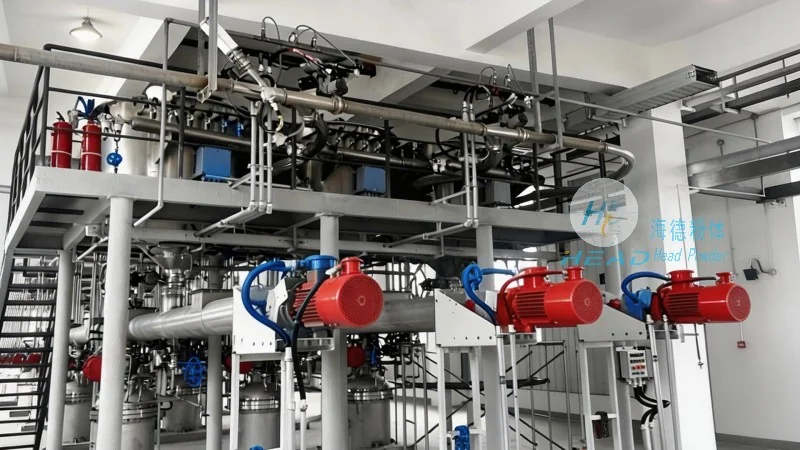
The calcium carbonate stone powder material conveying line is a specialized system engineered to transport fine, dry powders, such as calcium carbonate, from one processing stage to another. These materials are often used in various industries, including plastics, coatings, and paper manufacturing, where consistent particle size and purity are critical. The conveying line typically consists of components like hoppers, feeders, conveyors, and control systems, all working in tandem to ensure the material is moved safely and efficiently. The design of this system is tailored to the unique properties of calcium carbonate, which can be prone to dust generation and caking under certain conditions. By integrating advanced materials and engineering solutions, the conveying line minimizes material loss, reduces contamination risks, and maintains the integrity of the powder throughout the process.
Core Design Principles for Material Conveying Systems
The design of a calcium carbonate stone powder material conveying line is guided by several key principles aimed at optimizing performance and reliability. First, the system must address the challenges posed by fine powders, such as dust control and flow uniformity. This is achieved through the use of specialized feeders, like rotary valves or vibratory feeders, which regulate the material flow and prevent blockages. The conveying method itself is also critical; pneumatic conveying systems are commonly used for calcium carbonate due to their ability to handle fine powders without the need for mechanical components that might cause wear or contamination. Additionally, the design incorporates features to minimize product degradation, such as low-temperature operation and gentle handling mechanisms. The system is also designed for scalability, allowing it to adapt to varying production volumes and material types. This flexibility ensures that the conveying line can meet the evolving needs of the calcium carbonate processing industry.
Key Components and Their Functions
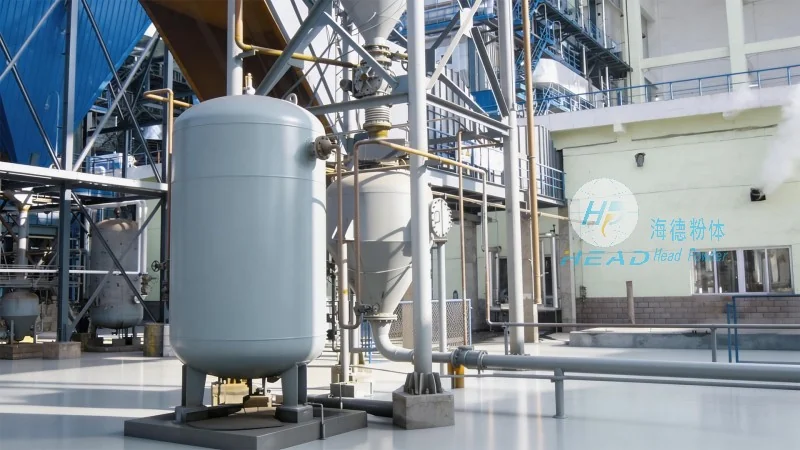
Several key components make up a calcium carbonate stone powder material conveying line, each playing a vital role in the overall operation. The hopper serves as the storage vessel, providing a controlled environment for the powder to accumulate before being fed into the system. The feeder, often a rotary valve or a screw feeder, regulates the flow of material from the hopper to the conveyor, ensuring a consistent and controlled discharge rate. The conveyor itself, which may be a pneumatic duct or a mechanical belt conveyor, transports the powder from the feeder to the processing equipment. Control systems, including sensors and programmable logic controllers (PLCs), monitor the flow rate, pressure, and other parameters, allowing for real-time adjustments to maintain optimal performance. The system also includes dust collection and filtration components to manage airborne particles and ensure compliance with environmental regulations. Each component is selected based on the specific characteristics of calcium carbonate, such as its particle size distribution and moisture content, to ensure the most effective and efficient operation.
Benefits of Implementing a Specialized Conveying Line
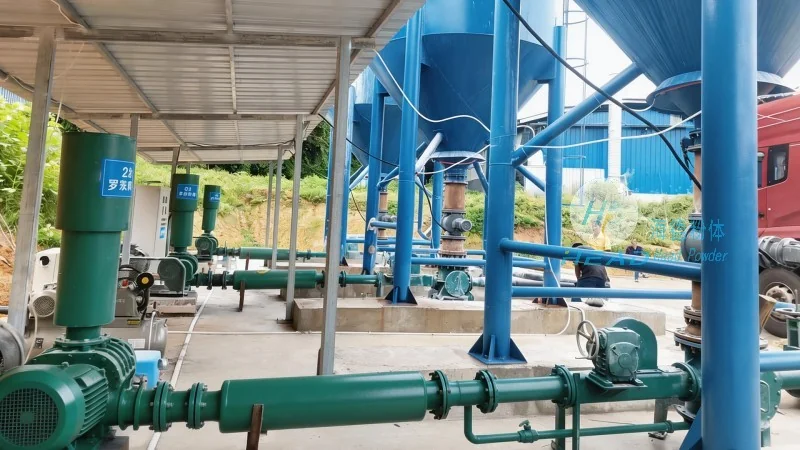
Adopting a calcium carbonate stone powder material conveying line offers numerous benefits for industrial operations. One of the primary advantages is improved efficiency, as the system minimizes material handling time and reduces downtime caused by blockages or equipment failure. The specialized design also enhances product quality by maintaining the purity and particle size of the calcium carbonate, which is essential for downstream applications. Additionally, the system reduces labor costs by automating the material transport process, allowing operators to focus on other critical tasks. The use of advanced materials and engineering solutions also contributes to lower maintenance costs, as the components are designed to withstand the abrasive nature of calcium carbonate and resist wear and corrosion. Furthermore, the system improves safety by reducing the risk of dust explosions and exposure to fine powders, creating a healthier work environment. Overall, the implementation of a specialized conveying line leads to increased productivity, better product quality, and enhanced operational safety for calcium carbonate processing facilities.
Conclusion
In conclusion, a calcium carbonate stone powder material conveying line is a sophisticated system designed to efficiently transport fine powders while maintaining product integrity and operational efficiency. The design principles, components, and benefits outlined in this article highlight the importance of specialized equipment in the calcium carbonate industry. By understanding and implementing these systems, manufacturers can enhance their production processes, reduce costs, and improve overall performance. As the demand for high-quality calcium carbonate products continues to grow, the role of advanced material conveying lines becomes increasingly critical in meeting industry standards and customer expectations. The expertise of companies like Shandong HeadPowder Engineering Co., Ltd., based in China, is instrumental in providing tailored solutions that address the unique challenges of calcium carbonate processing, ensuring that industries can achieve optimal results in their operations.