

What is a Negative Pressure Suction Material Handling System? Its Design Principles Explained
When it comes to efficient material handling in industrial settings, the negative pressure suction material handling system stands out as a sophisticated solution. This equipment, often associated with the brand HeadPowder, is designed to transport bulk materials with precision and reliability. Understanding its functionality and design principles is crucial for industries seeking to optimize their material flow processes.
What is a Negative Pressure Suction Material Handling System?
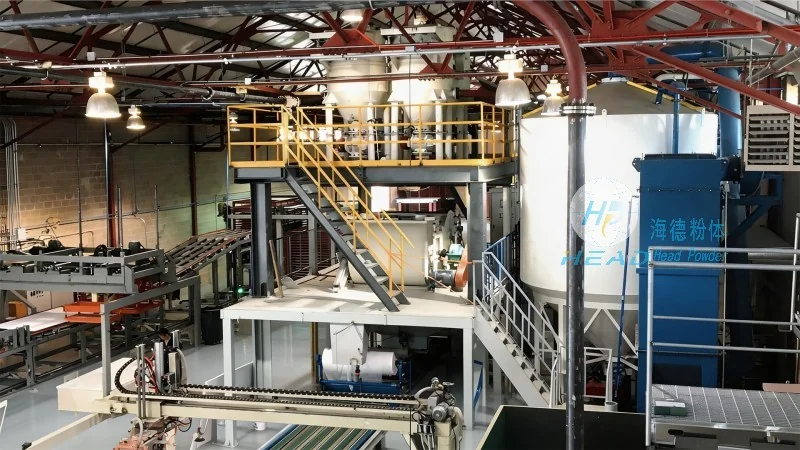
A negative pressure suction system is a type of material handling equipment that uses a vacuum to draw and transport bulk materials from one location to another. Unlike traditional conveyor systems that rely on mechanical force, this system creates a low-pressure environment to pull materials into a collection container or pipeline. The core components include a vacuum pump, a suction head, and a material transport line. The vacuum pump generates the necessary suction force, while the suction head is positioned at the material source to capture the bulk material. The transport line then carries the material to the discharge point, where the pressure is released, allowing the material to be deposited.
Design Principles of the Negative Pressure Suction System
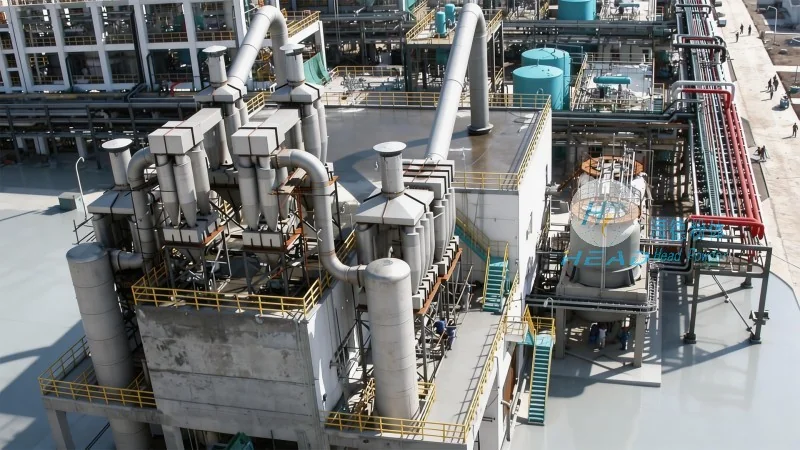
The design of a negative pressure suction material handling system is built on several key principles to ensure efficient and safe operation. First, the system must maintain a consistent vacuum level to ensure continuous material suction. This is achieved through the use of high-efficiency vacuum pumps that can handle varying material types and flow rates. Second, the suction head design is critical for effective material capture. The head is typically equipped with a filter or a material-specific nozzle to prevent clogging and ensure that only the intended material is drawn into the system. Third, the system's control mechanisms allow for precise regulation of the suction force, enabling operators to adjust the flow rate based on the material's characteristics and the distance between the source and the discharge point. Additionally, the material transport line is often made of durable materials such as stainless steel or polyethylene to withstand the abrasive nature of bulk materials and the vacuum pressure.
About HeadPowder: The Manufacturer of Negative Pressure Suction Systems
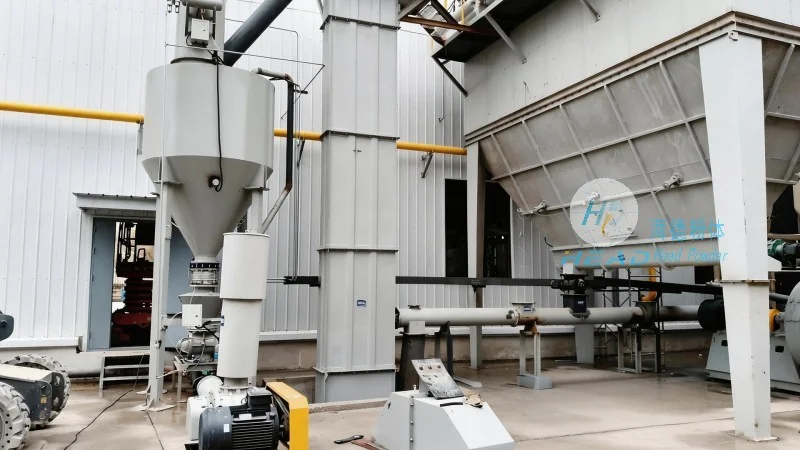
HeadPowder, or Shandong HeadPowder Engineering Co., Ltd., is a leading manufacturer specializing in industrial material handling solutions. With a base in Shandong, China, the company has established itself as a trusted provider of high-quality negative pressure suction systems. Their products are engineered to meet the diverse needs of various industries, including food processing, pharmaceuticals, and chemical manufacturing. The company's commitment to quality and innovation is reflected in their design approach, which emphasizes durability, efficiency, and user-friendly operation. HeadPowder's systems are designed to integrate seamlessly into existing production lines, reducing downtime and increasing overall productivity. By leveraging advanced engineering and rigorous testing, the company ensures that each system meets the highest standards of performance and safety.
Conclusion: The Benefits of Negative Pressure Suction Material Handling
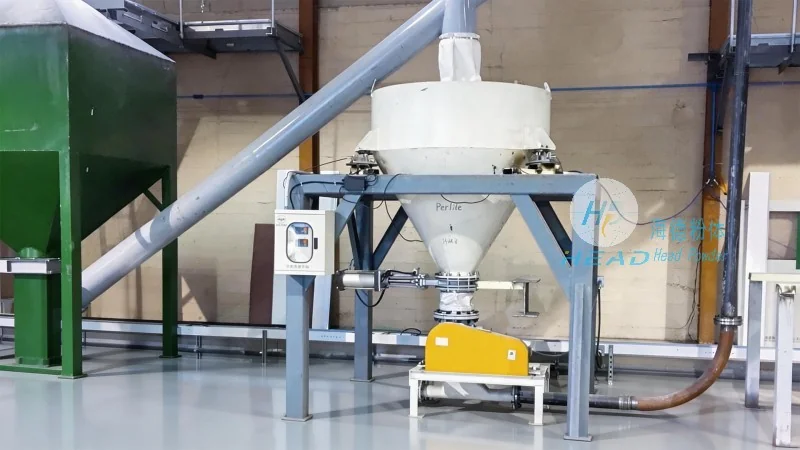
For industries looking to enhance their material handling capabilities, the negative pressure suction system offers a reliable and efficient solution. Its design principles, centered on vacuum technology and precise control, enable the smooth transport of bulk materials with minimal waste and operational complexity. By choosing a system from a reputable manufacturer like HeadPowder, businesses can expect improved productivity, reduced labor costs, and enhanced safety in their material handling processes. The negative pressure suction system is not just a piece of equipment; it is a strategic investment in operational efficiency that can drive long-term success in industrial applications.