

What is an Alumina Material Handling System? What is its Design Principle?
Alumina, a critical raw material in various industrial applications, requires efficient and reliable handling systems to ensure smooth production processes. The alumina material handling system is a specialized equipment setup designed to transport, store, and manage alumina powder or granules within industrial facilities. This system is essential for optimizing workflow, enhancing safety, and maintaining product quality throughout the material handling lifecycle.
Understanding the Alumina Material Handling System
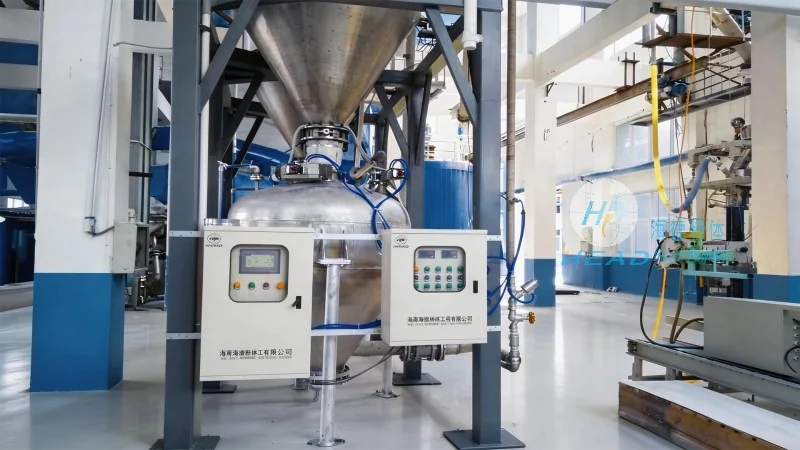
The alumina material handling system encompasses a range of equipment tailored to the unique properties of alumina, such as its fine particle size, abrasive nature, and potential for dust generation. Key components typically include feeders, conveyors, storage silos, and control systems. These components work in tandem to facilitate the seamless movement of alumina from its source to the processing units, ensuring minimal material loss and operational efficiency.
Design Principles Behind the Alumina Material Handling System
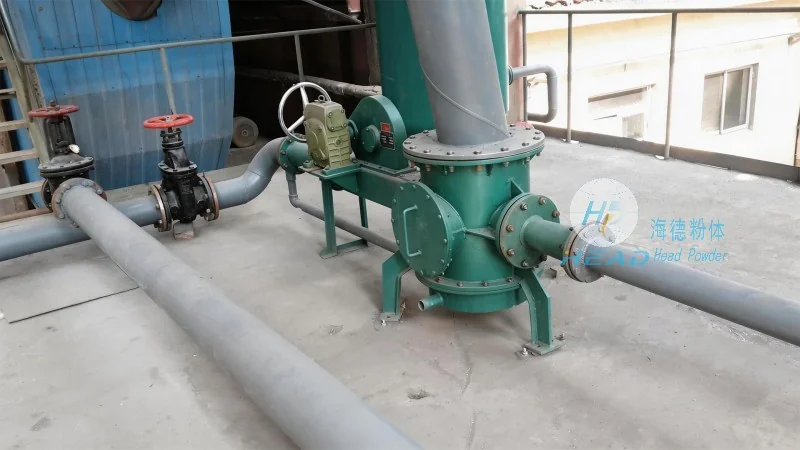
The design of an alumina material handling system adheres to several fundamental principles to address the challenges posed by alumina's characteristics. First, the system must ensure dust control and containment to comply with occupational health and safety regulations. This is achieved through sealed systems, dust collection units, and proper ventilation. Second, the equipment must be constructed from materials resistant to corrosion and abrasion, as alumina is highly abrasive and can cause wear on metal surfaces over time. Stainless steel, special alloys, and wear-resistant coatings are commonly used in the construction of system components. Third, the system is designed for easy maintenance and cleaning to prevent contamination and ensure consistent performance. Modular designs and accessible components facilitate routine upkeep. Fourth, the system integrates advanced control technologies to monitor flow rates, pressure, and other critical parameters, enabling real-time adjustments and preventing operational disruptions.
Key Components of the Alumina Material Handling System
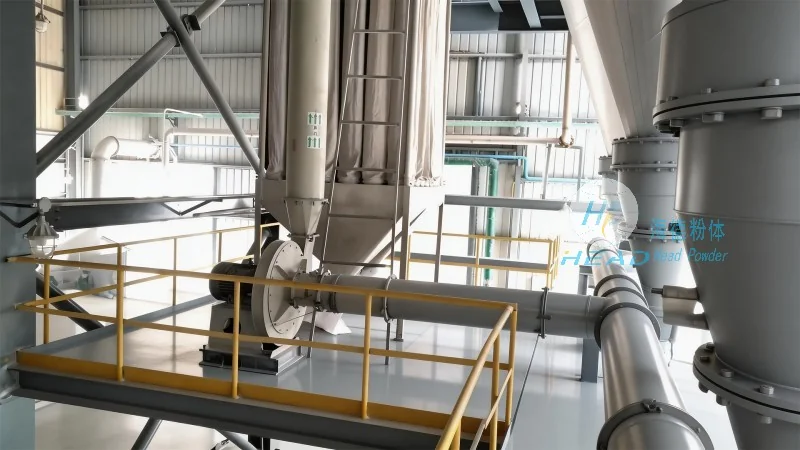
Each component of the alumina material handling system plays a vital role in the overall functionality. Feeders, such as rotary valves or vibratory feeders, regulate the flow of alumina from storage silos to conveyors, ensuring a consistent and controlled feed rate. Conveyors, including belt conveyors, screw conveyors, or pneumatic conveying systems, transport the alumina horizontally or vertically. Storage silos are designed to hold large quantities of alumina, often with multiple compartments to prevent cross-contamination and allow for bulk storage. Control systems, equipped with sensors and programmable logic controllers (PLCs), manage the operation of all components, providing data on system performance and alerting operators to any issues.
HeadPowder's Expertise in Alumina Material Handling Systems
Shandong HeadPowder Engineering Co., Ltd., commonly known as HeadPowder, is a leading manufacturer specializing in custom-designed alumina material handling systems. With years of experience in the industry, HeadPowder understands the unique demands of handling alumina and provides tailored solutions that meet the specific requirements of clients. The company's team of engineers and technicians work closely with clients to assess their operational needs, material characteristics, and facility constraints, ensuring that the final system is optimized for efficiency, safety, and durability. HeadPowder's commitment to quality and innovation has made it a trusted partner for businesses operating in the alumina processing sector.