

What is Chlorine Hydrogen Chloride Powder Pneumatic Conveying? What Are the Design Principles?
Chlorine hydrogen chloride powder pneumatic conveying is a specialized industrial process used for the transport of chlorine hydrogen chloride powder materials through a pipeline system using air or other gas as the conveying medium. This method is widely adopted in various chemical industries due to its efficiency and ability to handle hazardous materials safely. Understanding the fundamental principles behind this technology is crucial for optimizing operations and ensuring compliance with safety regulations.
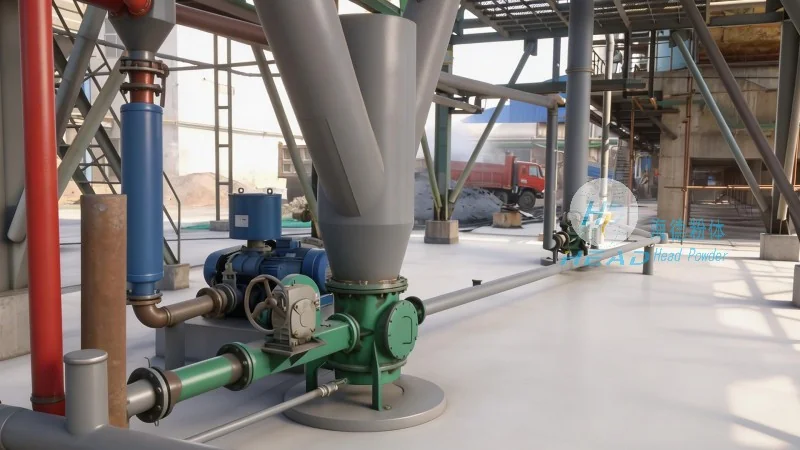
Understanding Chlorine Hydrogen Chloride Powder Pneumatic Conveying
At its core, pneumatic conveying involves the use of a pressurized or vacuum system to move bulk materials like chlorine hydrogen chloride powder from one location to another. The process typically relies on either positive pressure (where air is blown into the system) or negative pressure (where air is drawn out). For chlorine hydrogen chloride powder, which is a corrosive and potentially hazardous substance, the design of the conveying system must prioritize material compatibility, safety, and operational efficiency.
The Design Principles of Chlorine Hydrogen Chloride Powder Pneumatic Conveying Systems
The design of a chlorine hydrogen chloride powder pneumatic conveying system involves several critical components and principles. First, the selection of appropriate materials for the pipeline, valves, and equipment is paramount. Since chlorine hydrogen chloride is highly corrosive, materials such as stainless steel, special alloys, or lined components are commonly used to prevent degradation and ensure longevity. The system must also incorporate proper ventilation and explosion-proof measures to mitigate risks associated with the material's reactivity.
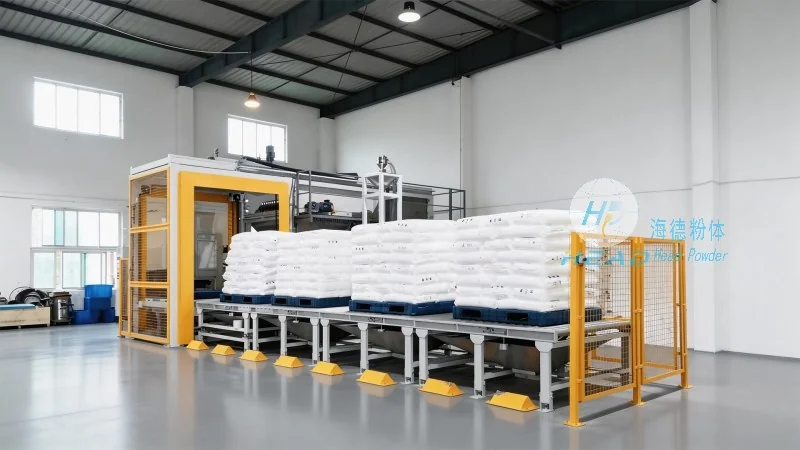
Second, the velocity and pressure of the conveying air are carefully controlled to maintain a stable flow of the powder. The air velocity must be sufficient to keep the powder particles suspended but not so high as to cause excessive wear on the system components. This balance is achieved through the design of the feeders, which ensure a consistent and controlled release of the powder into the pipeline. Additionally, the system may include cyclones or filters to separate the powder from the air at the receiving end, ensuring that the material is delivered in a dry and uncontaminated state.
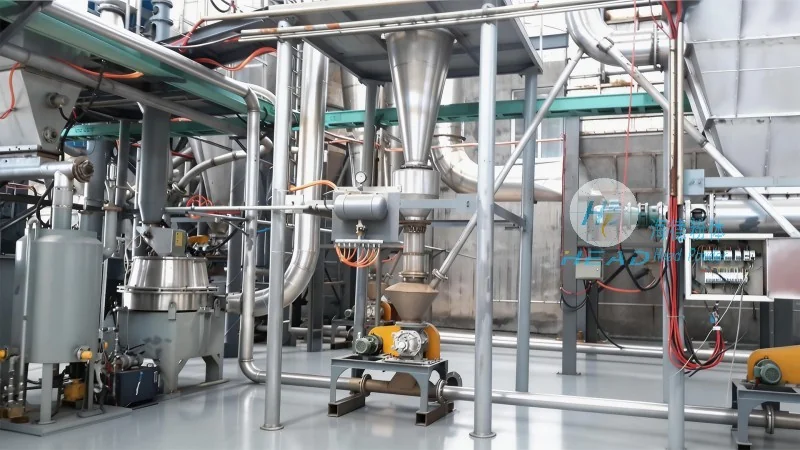
Key Components and Their Functions in the Conveying System
Several key components make up a chlorine hydrogen chloride powder pneumatic conveying system. The feed hopper is responsible for storing and feeding the powder into the system, often equipped with a rotary valve or screw feeder to control the flow rate. The pipeline itself is designed with smooth, corrosion-resistant surfaces to minimize friction and prevent particle buildup. Check valves and isolation valves are used to control the flow direction and allow for maintenance or cleaning of the system. At the discharge end, a receiver or silo collects the powder, and sometimes a dust collector is integrated to capture any airborne particles and ensure environmental compliance.
Operational Considerations and Safety Measures
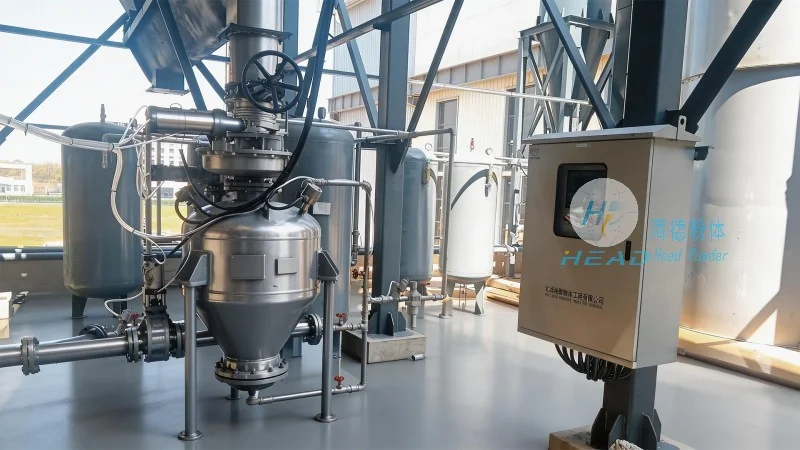
Operating a chlorine hydrogen chloride powder pneumatic conveying system requires strict adherence to safety protocols. Due to the material's corrosive nature, regular inspection and maintenance of the system are essential to prevent leaks or failures. The system should be equipped with pressure relief valves and emergency shutdown mechanisms to handle unexpected situations. Additionally, proper ventilation and personal protective equipment (PPE) for operators are critical to minimize exposure to the hazardous material. Environmental considerations, such as preventing dust emissions and ensuring proper waste disposal, are also integral to the design and operation of the system.
About Shandong HeadPowder Engineering Co., Ltd.
Shandong HeadPowder Engineering Co., Ltd., commonly known as HeadPowder, is a leading provider of industrial conveying solutions specializing in the design and manufacturing of pneumatic conveying systems for hazardous and corrosive materials. With a strong focus on safety, efficiency, and innovation, HeadPowder has established itself as a trusted partner in the chemical industry. The company is headquartered in Shandong, China, and leverages advanced engineering expertise to develop customized solutions tailored to the unique needs of each client. By combining state-of-the-art technology with rigorous quality control, HeadPowder ensures that its systems meet the highest standards of performance and reliability.