

What is a Coal Gangue Lime Powder Pneumatic Conveying System? And What Are Its Design Principles?
Coal gangue lime powder, a byproduct of coal mining and processing, is often utilized in industrial applications for its chemical and physical properties. The efficient transportation of this fine powder is crucial for various processes, and pneumatic conveying systems have emerged as a reliable solution. This article explores the concept of a coal gangue lime powder pneumatic conveying system, detailing its design principles and operational mechanisms.
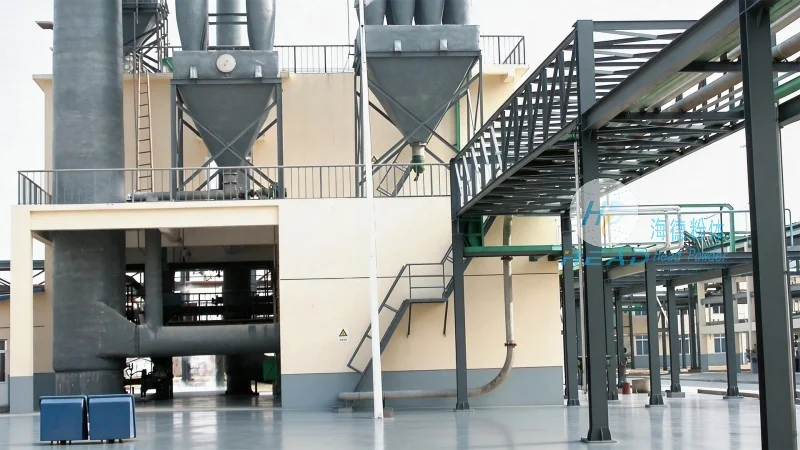
HeadPowder: A Leading Engineering Firm in Material Handling Solutions
HeadPowder, a leading engineering firm based in Shandong, China, specializes in the design and implementation of advanced material handling solutions. With a strong focus on innovation and customer-centric approaches, HeadPowder has developed expertise in handling challenging materials like coal gangue lime powder. The company's commitment to quality and technical excellence has made it a trusted partner for industries seeking efficient and reliable material transport systems.
Key Components of a Coal Gangue Lime Powder Pneumatic Conveying System
A typical coal gangue lime powder pneumatic conveying system consists of several key components. These include a material feed hopper, a conveyor line (often using a pipeline), a blower or air compressor to generate the conveying air, and a receiver or discharge unit. The system operates by feeding the powder into the hopper, which then releases it into the pipeline as the air flows through, carrying the particles to the destination. Each component plays a critical role in ensuring the system functions smoothly and efficiently.
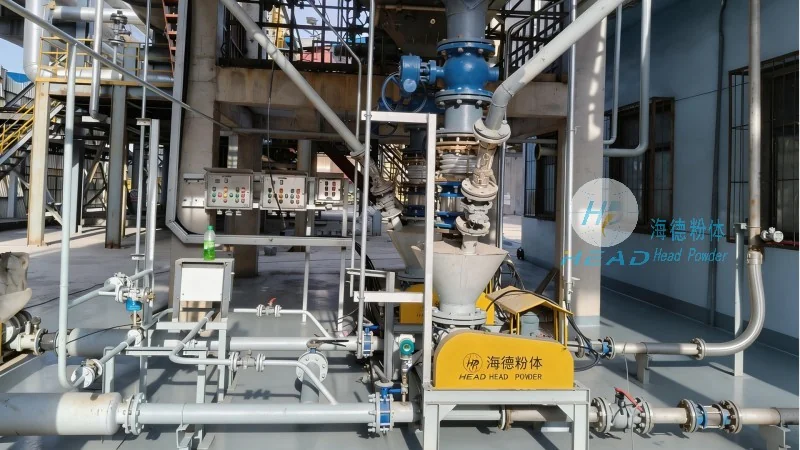
The Design Principles Behind Pneumatic Conveying Systems
The design principles of such a system revolve around the balance of air velocity and particle size. The air velocity must be sufficient to overcome the gravitational forces acting on the powder particles and any friction within the pipeline. This is often determined through calculations based on the material's density, particle size distribution, and the required conveying distance. Engineers must carefully select the appropriate air pressure and flow rate to achieve optimal conveying performance without causing excessive energy consumption or system wear.
Applications of Coal Gangue Lime Powder in Industrial Processes
Coal gangue lime powder is commonly used in applications like flue gas desulfurization, soil stabilization, and as a raw material in cement production. The pneumatic conveying system ensures that the powder is transported safely and efficiently from storage to processing units, minimizing dust emissions and optimizing process flow. By integrating this system into production lines, industries can enhance productivity and reduce operational costs associated with material handling.
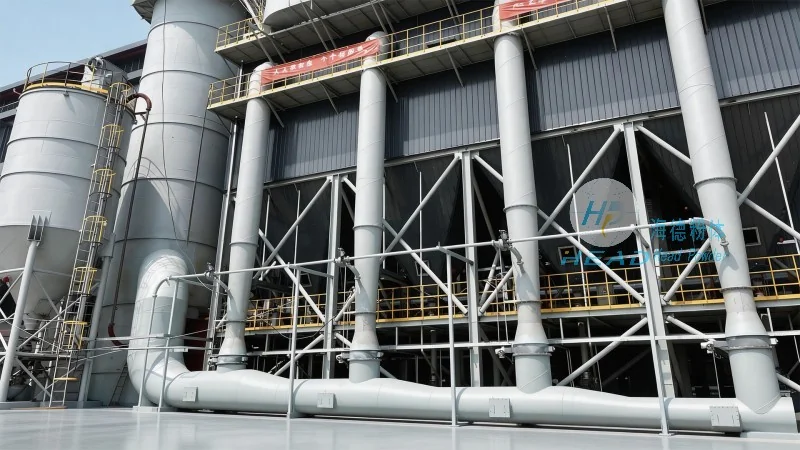
Advantages of Pneumatic Conveying Over Traditional Methods
Compared to traditional mechanical conveying methods, pneumatic systems offer several advantages. They are capable of handling fine and abrasive materials without causing wear and tear on equipment. Additionally, the enclosed pipeline design reduces dust pollution, enhancing workplace safety and environmental compliance. The flexibility of pneumatic systems also allows for easy integration with existing production lines, minimizing downtime during installation and operation.
Design Considerations for Coal Gangue Lime Powder Pneumatic Conveying Systems
When designing a coal gangue lime powder pneumatic conveying system, engineers must consider multiple factors. The selection of pipeline material is critical, as it needs to withstand the abrasive nature of the powder and the pressure of the conveying air. Stainless steel or high-grade plastic pipes are commonly used to prevent corrosion and material buildup. The blower's capacity and air pressure must be matched to the system's requirements to ensure consistent conveying performance. Regular maintenance, including cleaning and inspection of components, is essential to maintain system efficiency and longevity.
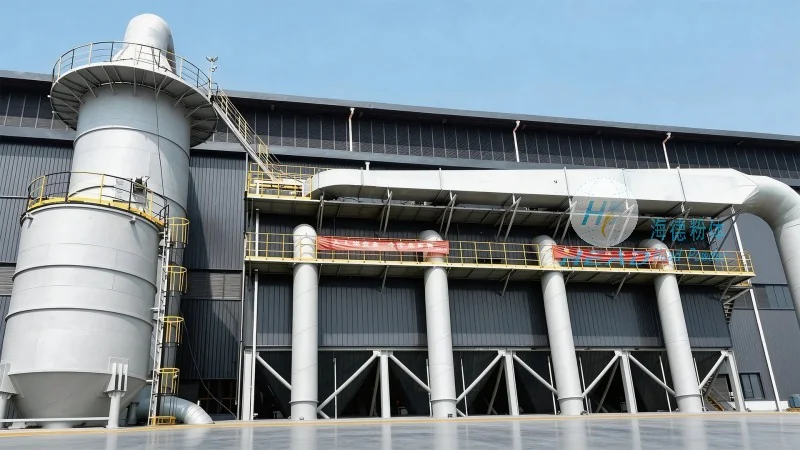
Safety and Maintenance Practices for Pneumatic Conveying Systems
Safety is a paramount concern in the operation of pneumatic conveying systems. Proper ventilation and dust collection systems are necessary to prevent dust accumulation and explosions. Regular checks on the blower, pipeline, and feed mechanisms are required to identify and address any potential issues before they escalate. Training operators on proper system operation and emergency procedures is also vital for maintaining a safe working environment. Implementing a comprehensive maintenance schedule helps ensure the system operates at peak efficiency and extends its service life.
Conclusion: The Role of Pneumatic Conveying in Modern Material Handling
In conclusion, a coal gangue lime powder pneumatic conveying system is a sophisticated engineering solution that effectively addresses the challenges of transporting fine, abrasive materials. With its robust design principles and advanced components, such systems enhance operational efficiency, improve safety, and contribute to sustainable industrial practices. HeadPowder, with its expertise in material handling, continues to provide tailored solutions that meet the specific needs of clients in various industries, helping them achieve their operational goals while adhering to environmental and safety standards.