

What is High-Pressure Dilute-Phase Pneumatic Conveying? And What Are Its Design Principles?
High-pressure dilute-phase pneumatic conveying is a sophisticated method used in material handling and processing industries to transport bulk materials through a pipeline system using compressed air or other gas as the conveying medium. This technology offers a flexible and efficient solution for moving a wide range of dry, free-flowing powders and granules over long distances, often with minimal maintenance and the ability to handle materials that are difficult to transport via traditional methods like belt conveyors or screw conveyors.
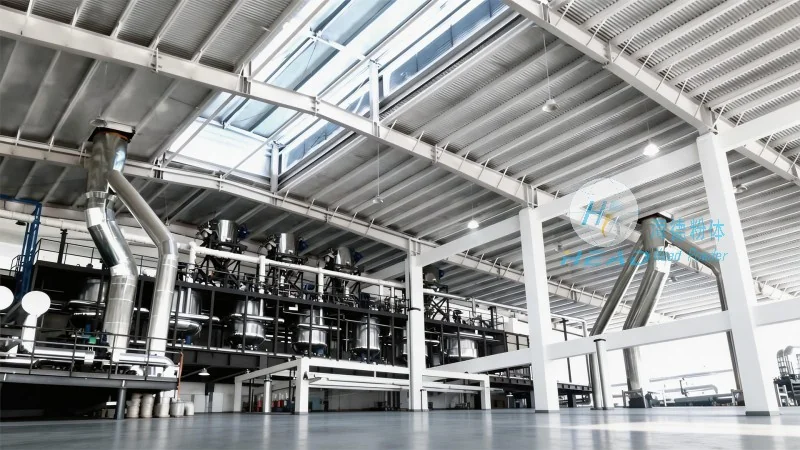
Understanding High-Pressure Dilute-Phase Pneumatic Conveying
At its core, high-pressure dilute-phase pneumatic conveying involves the creation of a low-density mixture of material particles suspended in a high-velocity gas stream within a pipeline. The system operates by introducing the material into the pipeline at a specific point, typically through a feeder or hopper, and then injecting compressed air or another gas to create the conveying flow. The key characteristic of this method is the "dilute" phase, meaning the material particles are dispersed throughout the gas, rather than forming a dense slurry or plug, which allows for efficient and continuous transport.
Key Design Principles of High-Pressure Dilute-Phase Systems
The design of high-pressure dilute-phase pneumatic conveying systems is governed by several critical principles that ensure optimal performance, efficiency, and reliability. These principles include the selection of appropriate air pressure, the calculation of required air volume, the design of the conveying line diameter and length, and the selection of suitable components such as feeders, filters, and receivers. Each of these elements must be carefully considered to achieve the desired material transport rate, minimize pressure drop, and prevent material degradation or blockages.
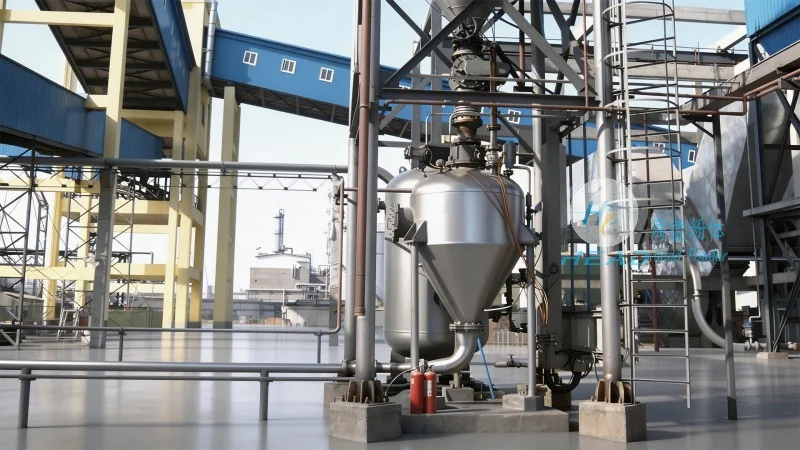
Components and Functionality of High-Pressure Dilute-Phase Systems
A typical high-pressure dilute-phase pneumatic conveying system consists of several key components that work in tandem to achieve effective material transport. The primary components include a material feeder, which introduces the bulk material into the system at a controlled rate; a compressor or air supply unit that generates the high-pressure air or gas; a conveying pipeline that transports the material; a receiver or discharge hopper that collects the material at the end of the line; and a filter system that removes any fine particles from the exhaust air to prevent contamination and comply with environmental regulations.
Advantages of High-Pressure Dilute-Phase Pneumatic Conveying
High-pressure dilute-phase pneumatic conveying offers numerous advantages over other material handling methods. These benefits include the ability to transport materials over long distances without the need for intermediate storage or transfer points, the flexibility to handle a wide variety of materials, including those that are abrasive, corrosive, or sensitive to moisture, and the reduced risk of material contamination compared to other methods. Additionally, the system can be easily integrated into existing processing facilities and offers low maintenance requirements, making it a cost-effective solution for many industrial applications.
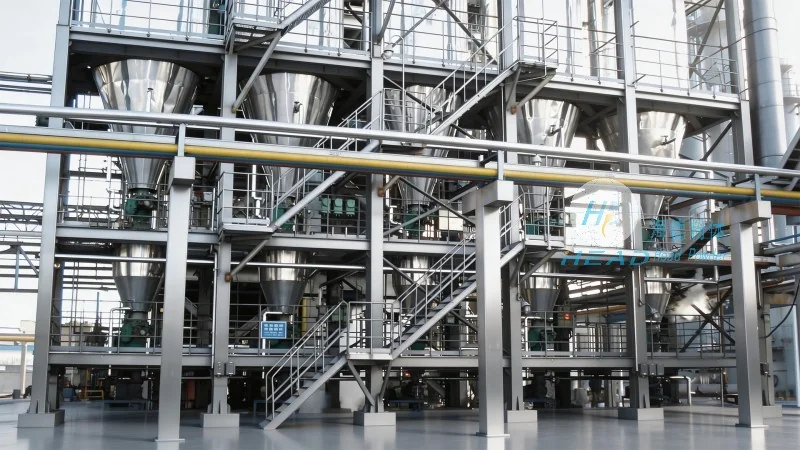
Applications and Industries Using High-Pressure Dilute-Phase Systems
High-pressure dilute-phase pneumatic conveying is widely used in various industries due to its versatility and efficiency. Common applications include the transport of powders and granules in the chemical, pharmaceutical, food, and agricultural sectors, as well as in the mining and mineral processing industries. For example, in the pharmaceutical industry, this technology is used to transport active ingredients and excipients with high precision and minimal risk of contamination. In the food industry, it is employed to move dry ingredients like flour, sugar, and spices while maintaining product quality and hygiene standards.
Design Considerations for High-Pressure Dilute-Phase Systems
When designing a high-pressure dilute-phase pneumatic conveying system, engineers must consider several factors to ensure optimal performance. These considerations include the material's physical properties, such as particle size, density, and flowability, as well as the required transport distance and throughput. The selection of the appropriate air pressure is critical, as it directly impacts the conveying velocity and the required air volume. Additionally, the system's pressure drop must be carefully calculated to ensure that the compressor or air supply unit can provide sufficient pressure to overcome the resistance in the pipeline and maintain the desired conveying rate.
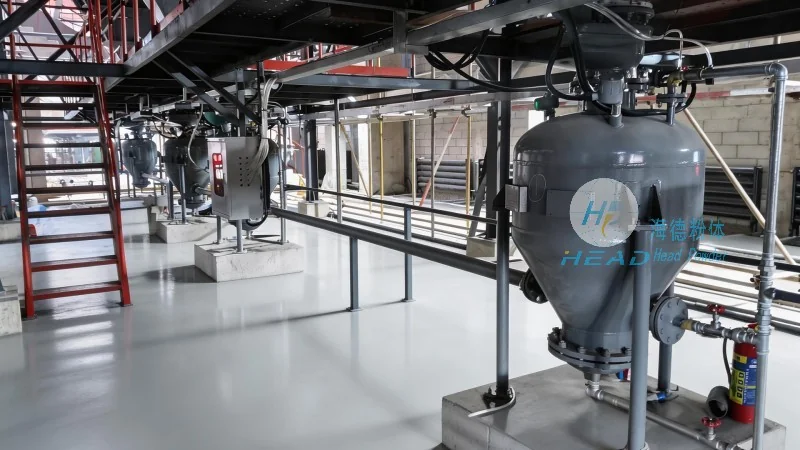
Maintenance and Operational Tips for High-Pressure Dilute-Phase Systems
Proper maintenance and operational practices are essential to ensure the long-term reliability and efficiency of high-pressure dilute-phase pneumatic conveying systems. Regular maintenance tasks include checking and replacing filter elements, inspecting the material feeder for wear or blockages, and monitoring the compressor for proper operation. Operational tips include ensuring that the system is properly sized for the material being transported, maintaining consistent air pressure and flow rates, and performing routine cleaning of the pipeline and components to prevent buildup and blockages. By following these practices, users can maximize the system's lifespan and minimize downtime.
Conclusion
High-pressure dilute-phase pneumatic conveying is a highly effective and versatile material handling technology that offers numerous advantages over traditional methods. By understanding its design principles, components, and operational requirements, industries can leverage this technology to improve efficiency, reduce costs, and enhance product quality. As a leading provider in the field, Shandong HeadPowder Engineering Co., Ltd. specializes in the design, manufacturing, and installation of high-quality high-pressure dilute-phase pneumatic conveying systems tailored to meet the specific needs of various industrial applications.