

Ferrous Sulfate Material Pneumatic Conveying Equipment: What It Is and Its Design Principles
When it comes to handling ferrous sulfate, a critical component in various industrial applications, the choice of material handling equipment can significantly impact operational efficiency and safety. Pneumatic conveying systems, particularly those designed for ferrous sulfate, offer a reliable solution for transporting this material from one location to another. This article explores the concept of ferrous sulfate material pneumatic conveying equipment and delves into the underlying design principles that make such systems effective.
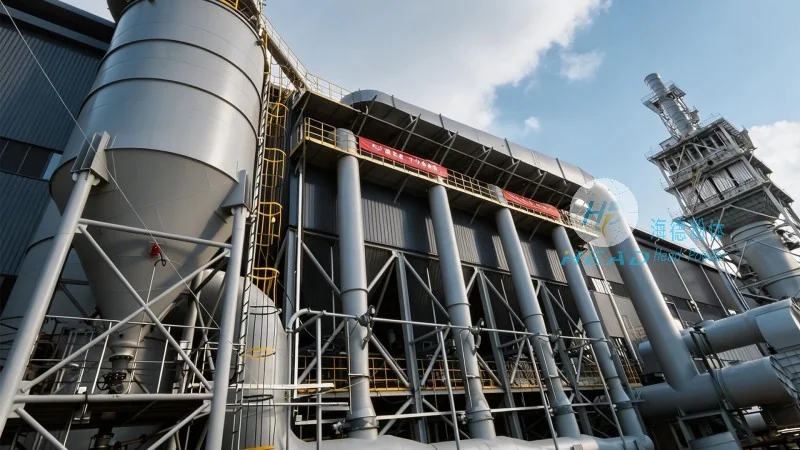
Understanding Ferrous Sulfate and Its Handling Requirements
Ferrous sulfate, also known as iron(II) sulfate, is a chemical compound widely used in water treatment, agriculture, and industrial processes. Its handling requires specialized equipment due to its granular or powder form, which can be prone to dust generation and clogging in traditional conveyors. Pneumatic conveying addresses these challenges by using air to transport the material, ensuring a clean and efficient process.
The Core Components of Ferrous Sulfate Pneumatic Conveying Systems
At the heart of any pneumatic conveying system for ferrous sulfate lies a series of key components that work in tandem to ensure smooth material transport. These components typically include a hopper for material storage, a feeder to control the flow rate, a conveying line (either positive or negative pressure), and a receiver for the discharged material. Each component is designed to handle the specific characteristics of ferrous sulfate, such as its density, moisture content, and potential for agglomeration.
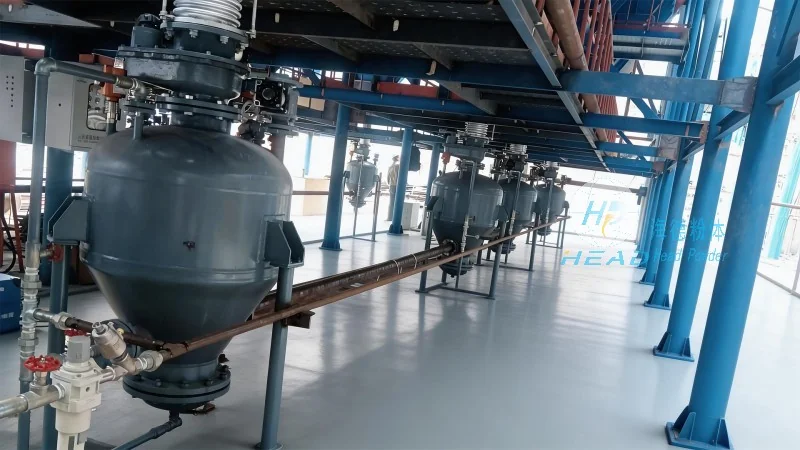
Design Principles for Efficient Ferrous Sulfate Conveying
The design of ferrous sulfate pneumatic conveying equipment is guided by several fundamental principles aimed at maximizing efficiency, minimizing energy consumption, and ensuring material integrity. One of the primary principles is the selection of the appropriate conveying method—either dense-phase or dilute-phase. Dense-phase systems, which use higher air velocities and lower material flow rates, are ideal for handling fine powders like ferrous sulfate, as they reduce the risk of material degradation and blockages. The system also incorporates features like cyclones or filters to separate the material from the air stream, preventing dust contamination and ensuring compliance with environmental regulations.
Material Flow Control and Feeder Selection
Effective control of material flow is crucial in pneumatic conveying systems for ferrous sulfate. The feeder, often a rotary valve or a screw feeder, regulates the amount of material entering the conveying line. For ferrous sulfate, which can be prone to bridging or clogging in hoppers, a well-designed feeder is essential. It ensures a consistent flow rate, preventing surges that could lead to system inefficiencies or equipment damage. The feeder is typically integrated with the hopper to maintain a stable material level, enhancing the overall performance of the conveying system.
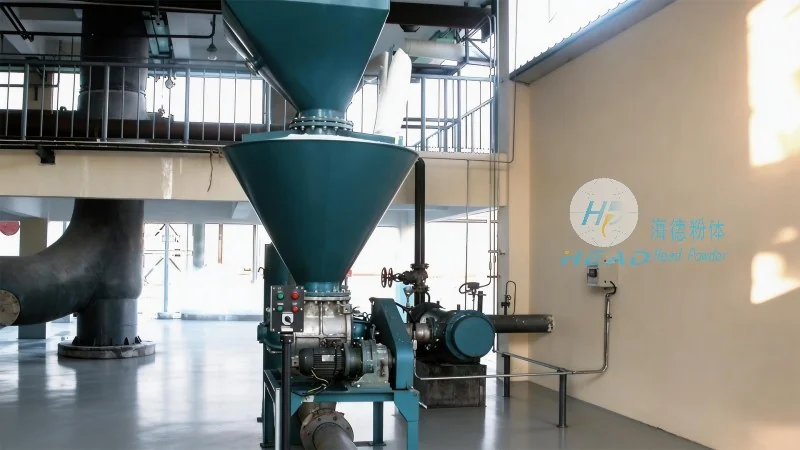
Pressure and Air Velocity Considerations
Pressure and air velocity are critical parameters in the design of ferrous sulfate pneumatic conveying systems. The system operates under either positive or negative pressure, depending on the application. Positive pressure systems push the material through the line using compressed air, while negative pressure systems draw the material in using vacuum. For ferrous sulfate, a negative pressure system is often preferred as it reduces the risk of dust exposure and provides a more controlled environment. The air velocity is carefully calculated to ensure that the material particles are fully entrained by the air stream without causing excessive wear on the conveying line or components.
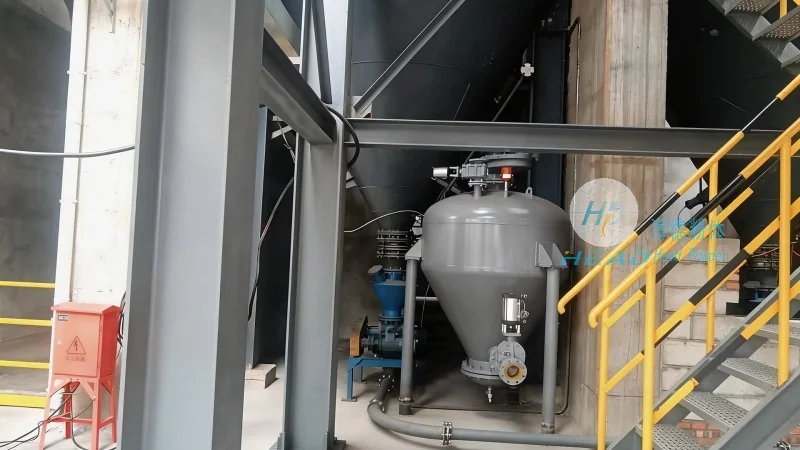
System Integration and Maintenance
Integrating the pneumatic conveying system with other industrial processes is a key aspect of its design. The system is typically connected to the production line, allowing for seamless material transfer from the storage hopper to the processing equipment. Regular maintenance is essential to ensure the longevity and efficiency of the system. This includes cleaning the conveying line, replacing worn-out components, and monitoring air pressure and flow rates. Proper maintenance not only extends the life of the equipment but also maintains the quality of the ferrous sulfate being transported.
Conclusion: The Role of Specialized Equipment in Ferrous Sulfate Handling
In conclusion, ferrous sulfate material pneumatic conveying equipment is a vital tool for industries relying on this chemical compound. By adhering to the design principles outlined above, manufacturers can develop systems that are efficient, reliable, and safe for handling ferrous sulfate. The expertise of companies like Shandong HeadPowder Engineering Co., Ltd., based in Shandong, China, plays a crucial role in designing and implementing such systems, ensuring that clients receive equipment tailored to their specific needs. As the demand for ferrous sulfate continues to grow, the importance of specialized material handling solutions will only increase, making pneumatic conveying an indispensable part of industrial operations.