

What is a Graphene Material Pneumatic Conveying System? What Are Its Design Principles?
For industrial applications involving the handling of high-value materials like graphene, an efficient and reliable material handling system is crucial. HeadPowder, a leading provider of engineering solutions, offers specialized equipment such as the graphene material pneumatic conveying system. This system is designed to transport fine powders, including graphene, through a pipeline using a pressurized gas stream, providing a solution that combines advanced technology with precision engineering to ensure optimal performance in material transport. In this article, we will explore what a graphene material pneumatic conveying system is and delve into its fundamental design principles, providing insights into how such systems are engineered to meet the specific demands of processing graphene and other fine powders.
Understanding the Graphene Material Pneumatic Conveying System
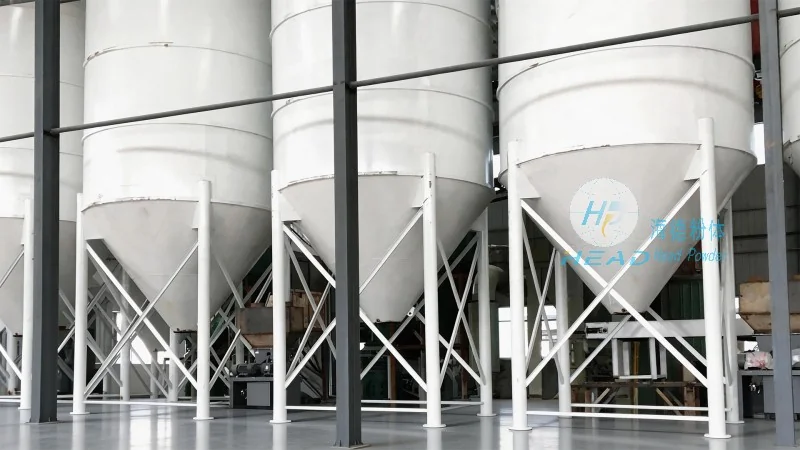
A graphene material pneumatic conveying system is a specialized piece of equipment designed to transport fine powders, including graphene, through a pipeline using a pressurized gas stream. This method of material transport, known as pneumatic conveying, offers several advantages over traditional mechanical conveying systems, such as reduced equipment wear, lower maintenance requirements, and the ability to handle materials that are difficult to transport by other means. The system typically consists of several key components, including a hopper for material storage, a feeder to control the flow of material, a conveying line with appropriate piping, and a receiver to collect the material at the destination. Each component is carefully designed to work in harmony to ensure smooth and efficient material transport.
Key Design Principles of the System
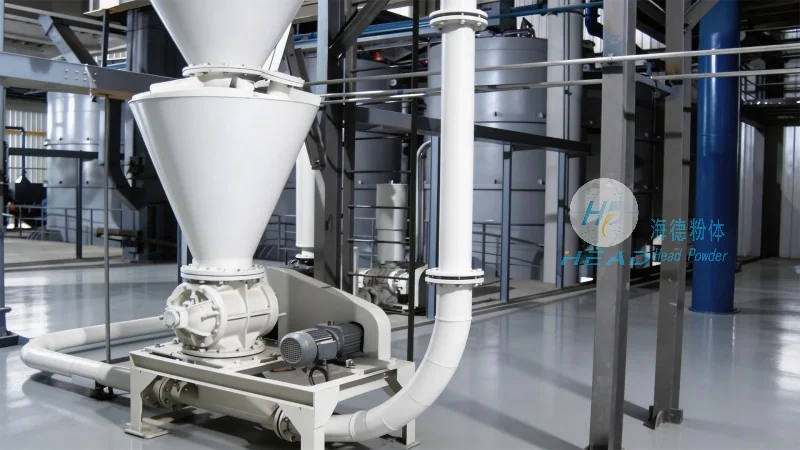
The design of a graphene material pneumatic conveying system is based on several critical principles that ensure its effectiveness and reliability. The first principle is the selection of appropriate gas velocity, which must be high enough to prevent material settling in the pipeline but low enough to avoid excessive pressure drop and energy consumption. The gas velocity is typically determined based on the material's properties, such as particle size, density, and flowability, as well as the system's layout and the required conveying distance. Another key design principle is the use of appropriate pipe diameters and materials. The pipe diameter must be sufficient to accommodate the material flow without causing excessive friction losses, while the material of the pipe must be compatible with the conveyed material to prevent contamination or degradation. Additionally, the system's design considers the need for proper air filtration and separation to prevent material loss and ensure that the conveyed material remains in a clean and usable state. The design also incorporates features such as pressure regulation and flow control to maintain consistent performance and prevent system overload or damage.
Components and Their Functions
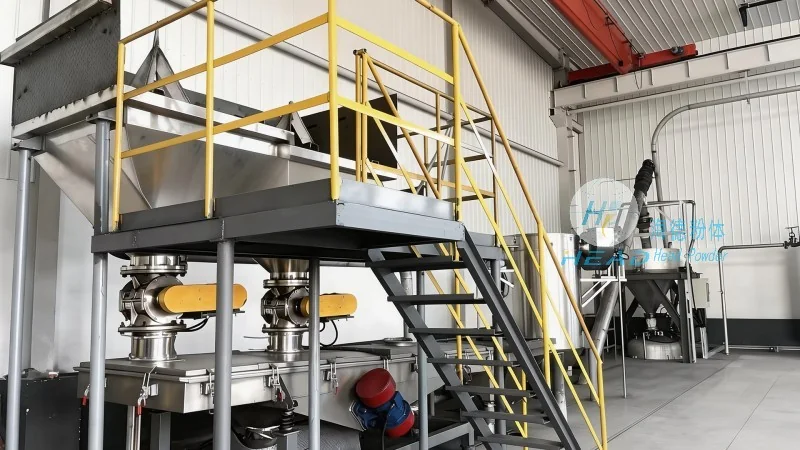
Each component of the graphene material pneumatic conveying system plays a vital role in the overall operation. The hopper serves as the storage vessel for the graphene material, providing a controlled environment to prevent material degradation and maintain consistent flow. The feeder, often a rotary valve or a mass flow feeder, regulates the flow of material from the hopper into the conveying line, ensuring a steady and controlled feed rate. The conveying line, made of materials such as stainless steel or plastic, transports the material and gas mixture from the feeder to the receiver. The receiver, typically a hopper or a silo, collects the material at the destination, allowing for further processing or storage. The system may also include additional components such as filters, cyclones, or pressure vessels to enhance performance and ensure the quality of the conveyed material.
Benefits and Applications
Graphene material pneumatic conveying systems offer numerous benefits for industries that handle fine powders, including the ability to transport materials over long distances with minimal loss, reduced labor costs due to automated operation, and improved safety by eliminating the need for manual handling of potentially hazardous materials. These systems are particularly well-suited for applications involving the processing of graphene, which is a high-value material used in various industries such as electronics, energy, and materials science. The systems can be customized to meet the specific requirements of different applications, including varying conveying capacities, distances, and material properties. Additionally, the use of pneumatic conveying allows for the integration of the system with other processing equipment, such as mixers, reactors, or coating machines, to create a seamless production line.
Conclusion
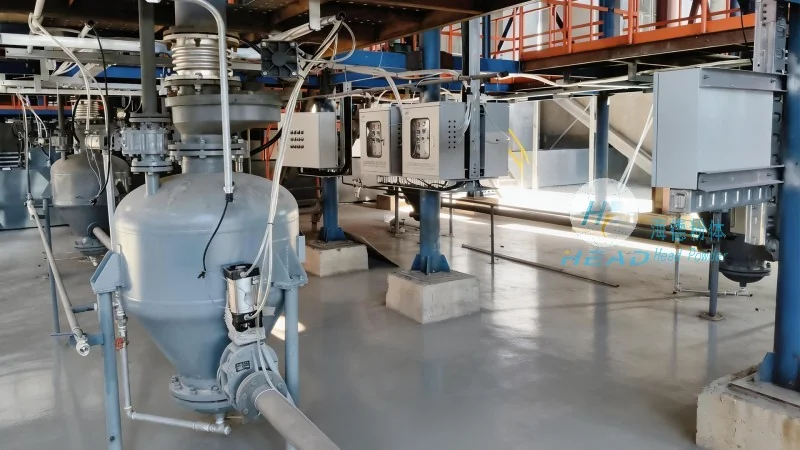
In conclusion, a graphene material pneumatic conveying system is a sophisticated and efficient solution for the transport of fine powders like graphene. HeadPowder, with its expertise in material handling systems, provides tailored solutions that meet the unique requirements of industrial applications. By understanding the components and design principles of such a system, industries can enhance their material handling processes and improve overall operational efficiency. As the demand for high-performance materials like graphene continues to grow, the importance of reliable and efficient material transport systems will only increase, making the graphene material pneumatic conveying system a valuable asset for modern industrial operations.