

Working Principle and Features of Polymer Denitrification Equipment
HeadPowder, a leading provider of environmental protection solutions, specializes in advanced polymer-based denitrification equipment. This article explores the working principle and key features of such equipment, highlighting its efficiency and technological advantages.
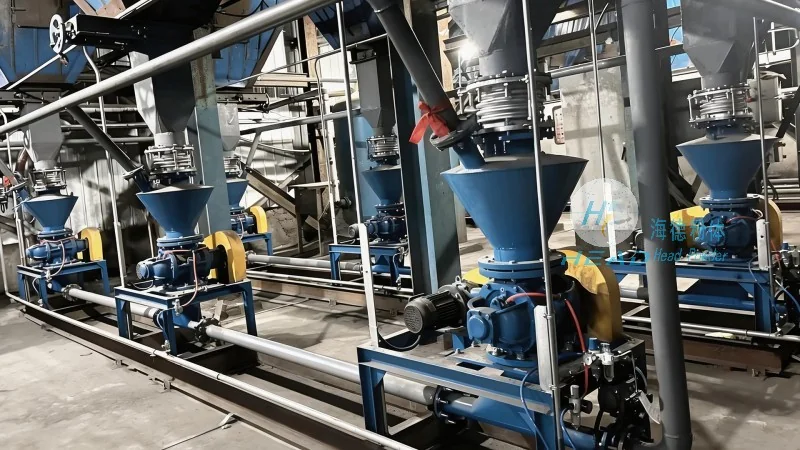
Company Introduction
Shandong HeadPowder Engineering Co., Ltd. is headquartered in Shandong, China. As a professional manufacturer and supplier, HeadPowder focuses on developing and manufacturing high-quality environmental protection equipment, including polymer denitrification systems. The company adheres to the principle of technological innovation and quality first, providing reliable solutions for industrial nitrogen oxide emissions control.
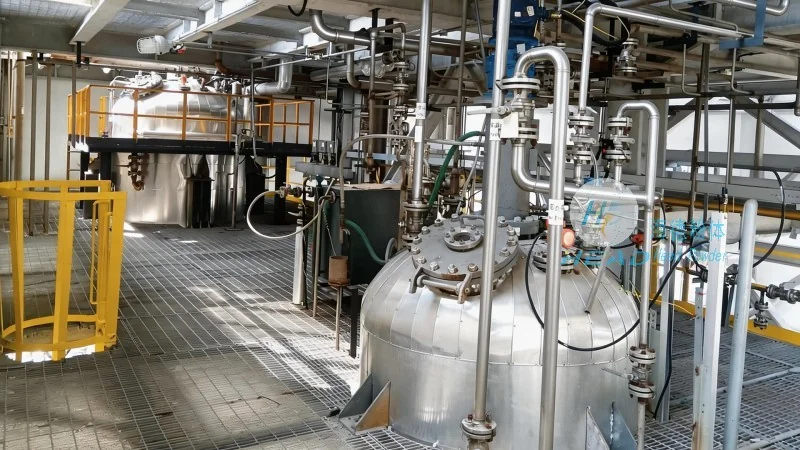
Working Principle of Polymer Denitrification Equipment
The polymer denitrification equipment operates based on the principle of catalytic reduction. It utilizes a special polymer catalyst to promote the reaction between nitrogen oxides (NOx) in flue gas and reducing agents (such as ammonia or urea). The process involves several key steps: first, the flue gas containing NOx enters the reaction chamber; second, the polymer catalyst provides a high-efficiency reaction surface, facilitating the conversion of NOx into nitrogen and water. The reaction is typically carried out under controlled temperature and pressure conditions to ensure optimal conversion rates. This technology effectively reduces the concentration of NOx in exhaust gas, meeting strict environmental emission standards.
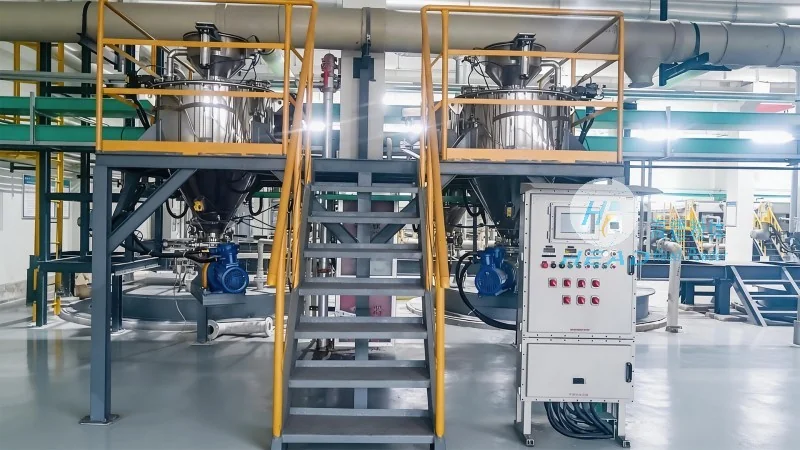
Key Features of Polymer Denitrification Equipment
HeadPowder's polymer denitrification equipment offers several distinct advantages that make it a preferred choice for industrial applications. Firstly, the equipment features a compact structure and low energy consumption, which reduces operational costs and environmental impact. Secondly, the polymer catalyst has excellent durability and long service life, minimizing maintenance requirements and extending the equipment's operational lifespan. Thirdly, the system is highly adaptable, capable of handling various types of flue gas and accommodating different NOx concentrations. Additionally, the equipment is designed with easy operation and maintenance in mind, ensuring smooth and reliable performance over time. These features collectively enhance the equipment's efficiency, reliability, and cost-effectiveness in industrial denitrification processes.
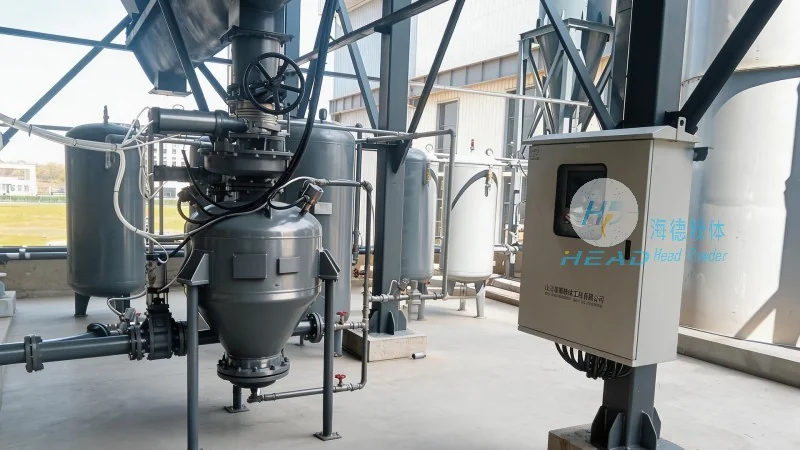
Advantages in Industrial Applications
The application of polymer denitrification equipment in industrial settings brings significant benefits. It effectively reduces NOx emissions from sources such as power plants, chemical factories, and industrial boilers, contributing to improved air quality and compliance with environmental regulations. The technology's high conversion efficiency and low operating costs make it economically viable for long-term use. Moreover, the equipment's modular design allows for flexible installation and integration into existing industrial systems, reducing downtime and installation complexity. By leveraging advanced polymer catalysts, the equipment achieves superior performance compared to traditional denitrification methods, providing a sustainable solution for industrial nitrogen oxide control.