

Working Principle and Features of Quick Loading Pneumatic Conveying Systems
Quick loading pneumatic conveying systems represent a sophisticated approach to material handling, integrating efficiency and technological advancement to meet modern industrial demands. As a key component in various processing and manufacturing sectors, these systems offer a reliable method for transporting bulk materials through an enclosed pipeline using air or other gases as the conveying medium. Understanding the working principle and distinctive features of such systems is essential for industries seeking to optimize their material transport processes.
Company Introduction
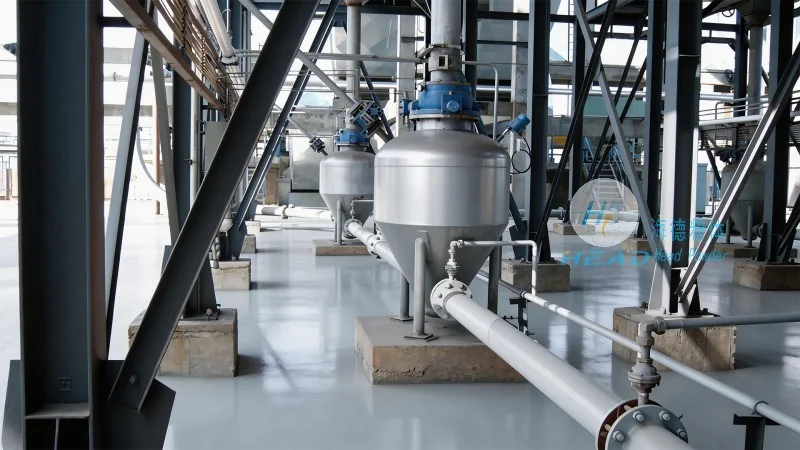
HeadPowder, a leading manufacturer in the field, specializes in the design, development, and implementation of advanced pneumatic conveying solutions. With a strong presence in Shandong, China, the company has established itself as a trusted partner for businesses requiring efficient and reliable material handling equipment. The company's commitment to quality and innovation ensures that its products meet the highest standards of performance and durability.
Working Principle of Quick Loading Pneumatic Conveying
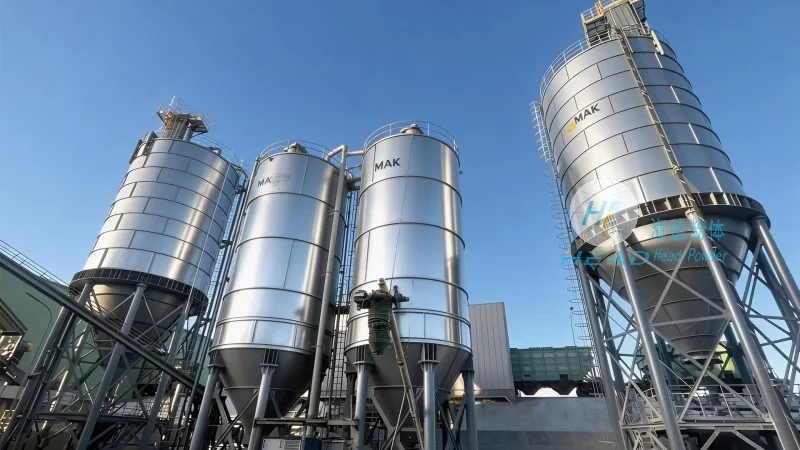
The core working principle of quick loading pneumatic conveying systems revolves around the use of differential pressure to move materials through a pipeline. The system typically operates by creating a pressure differential between the inlet and outlet of the conveying line. At the inlet, material is introduced into the system, often in a hopper or feeder, where it is then mixed with the conveying medium (air or gas). The air, under pressure, propels the material through the pipeline, ensuring a continuous and controlled flow. The system may employ various types of conveying modes, including pressure, vacuum, or mixed systems, depending on the specific requirements of the application. The pressure differential is maintained by a blower or compressor, which provides the necessary energy to move the material. The process is efficient, as it eliminates the need for mechanical components like belts or rollers, reducing maintenance and increasing operational reliability.
Key Features of Quick Loading Pneumatic Conveying Systems
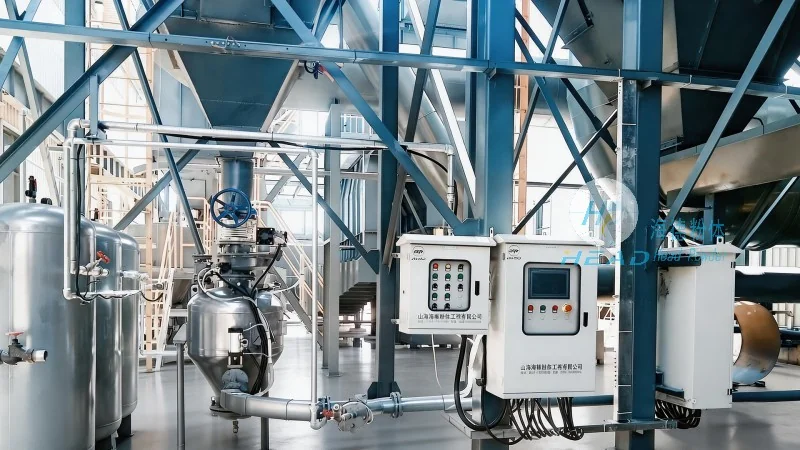
Quick loading pneumatic conveying systems are characterized by several key features that enhance their performance and usability. One of the primary advantages is the ability to handle a wide range of materials, from fine powders to bulk solids, with minimal degradation or loss. The enclosed pipeline design ensures that the material remains contained, preventing contamination and dust emissions, which is crucial for maintaining a clean and safe working environment. Another significant feature is the system's flexibility in terms of layout and integration. It can be customized to fit various plant configurations, allowing for easy installation and adaptation to existing facilities. The quick loading capability is achieved through optimized feeding mechanisms, such as high-capacity hoppers and efficient material feeders, which enable rapid and continuous material input. This feature is particularly beneficial for high-volume production lines, where downtime must be minimized. Additionally, the systems are designed for energy efficiency, utilizing advanced blower technology to reduce power consumption while maintaining optimal conveying performance. The durability of the components, including the pipeline and feeding equipment, is another critical feature, as they are constructed from high-quality materials to withstand the rigors of continuous operation.
Applications and Benefits
Quick loading pneumatic conveying systems find extensive applications across multiple industries, including pharmaceuticals, food processing, chemical manufacturing, and mining. In the pharmaceutical industry, for example, these systems are used to transport sensitive powders and granules, ensuring strict contamination control and maintaining product integrity. In food processing, the enclosed design prevents cross-contamination and meets stringent hygiene standards. The benefits of these systems extend beyond just material transport; they also contribute to improved operational efficiency and reduced labor costs. By automating the material handling process, businesses can achieve higher throughput and lower maintenance expenses. The reliability of the system also minimizes downtime, as it is less prone to mechanical failures compared to traditional systems. Furthermore, the ability to handle diverse materials makes these systems versatile, allowing companies to adapt to changing production needs without significant modifications.
Conclusion
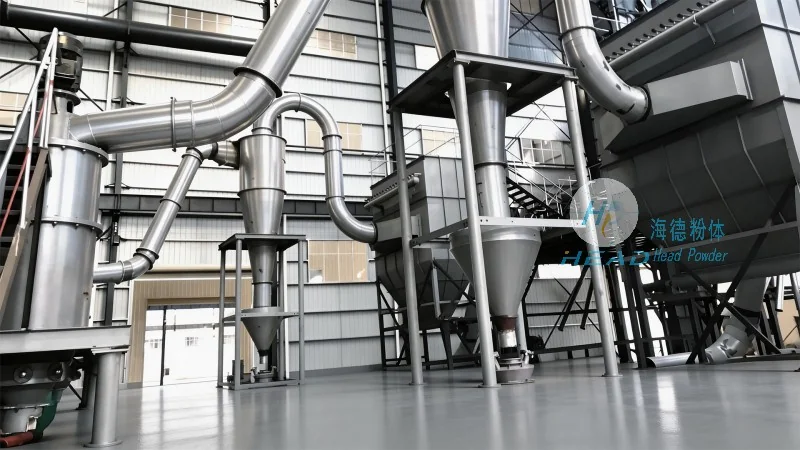
In conclusion, quick loading pneumatic conveying systems offer a highly effective solution for material handling in modern industrial settings. By understanding the working principle and leveraging the key features of these systems, businesses can enhance their operational efficiency, maintain product quality, and ensure a safe working environment. As a leading provider in this field, HeadPowder Engineering Co., Ltd. continues to innovate and provide tailored solutions that meet the evolving needs of its clients. The integration of advanced technology and robust design in these systems ensures that they remain a preferred choice for industries seeking reliable and efficient material transport solutions.