

Working Principle and Features of Pneumatic Conveying Systems for Lithium-Ion Battery Materials
Efficient and reliable material handling is a critical component in the manufacturing process of lithium-ion batteries. Pneumatic conveying systems have emerged as a preferred solution for transporting lithium battery materials due to their ability to handle a wide range of powders and granules with minimal contamination and high throughput. This article explores the working principle and key features of such systems, highlighting their importance in modern battery production.
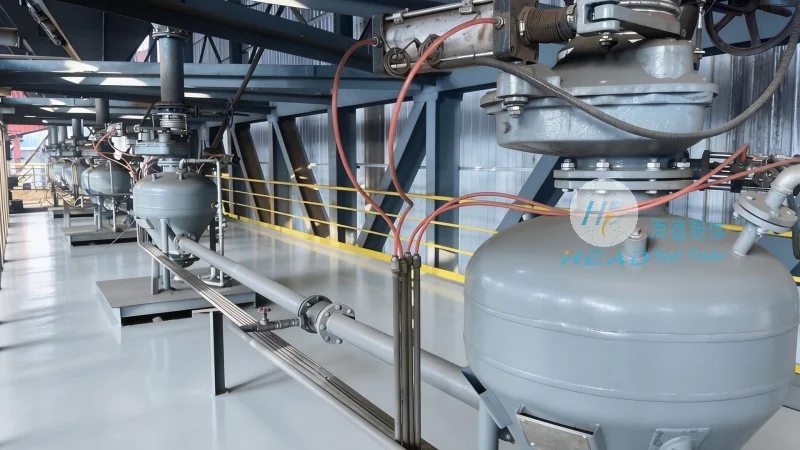
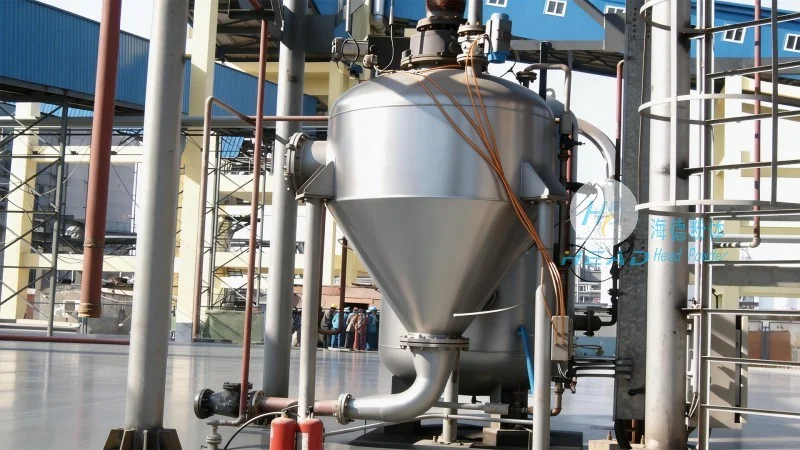
Working Principle of Pneumatic Conveying Systems
Pneumatic conveying systems operate by using air or gas to transport bulk materials through a pipeline. The core mechanism involves creating a pressure differential between the inlet and outlet of the system. There are two primary types of pneumatic conveying: pressure and vacuum systems. In pressure systems, compressed air is introduced at the material inlet, pushing the material through the pipeline. Vacuum systems, on the other hand, use a vacuum at the outlet to draw material into the system. The choice between these systems depends on factors such as material characteristics, distance to be conveyed, and system layout. For lithium battery materials, which often include powders like lithium carbonate, nickel oxide, and cobalt oxide, the system must be designed to handle fine particles and prevent agglomeration or degradation. The conveying process typically involves a hopper where the material is fed, a conveyor line with appropriate ducting, and a receiver where the material is deposited. The air flow is controlled by valves and regulators to ensure consistent material transport and prevent blockages. The system may also include components like cyclones or filters to separate the material from the air stream, ensuring that the material remains clean and free from contaminants. This separation is crucial for maintaining the quality of lithium battery materials, which are sensitive to impurities that can affect battery performance and lifespan.
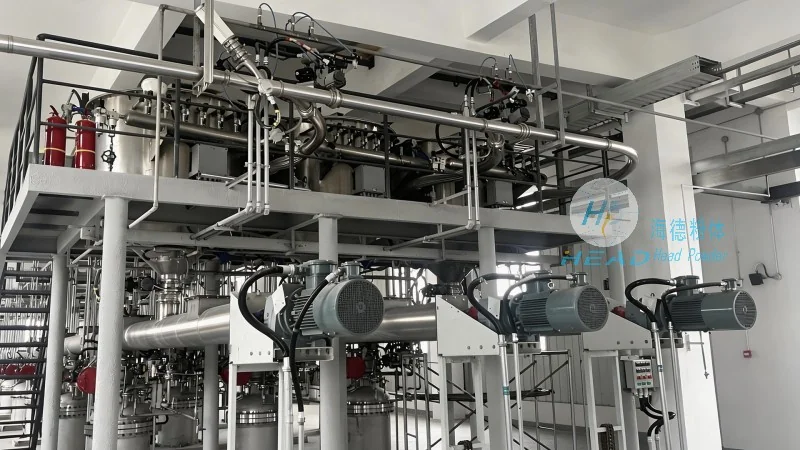
Key Features of Pneumatic Conveying Systems for Lithium-Ion Battery Materials
Several key features distinguish pneumatic conveying systems used in lithium battery material handling. First, the system must be designed for low contamination, as even trace amounts of foreign particles can impact battery performance. This is achieved through materials of construction such as stainless steel, which resist corrosion and prevent particle shedding. The system also incorporates features to minimize material degradation, such as gentle handling and controlled air speeds. For example, air velocities are optimized to prevent particle breakage while ensuring efficient transport. Another important feature is the ability to handle varying material properties, including different particle sizes, densities, and flow characteristics. This flexibility allows the system to accommodate different lithium battery materials, such as cathode and anode powders, which may have distinct handling requirements. Additionally, the system is designed for high efficiency and throughput, enabling manufacturers to meet production demands without compromising quality. The modular design of the system allows for easy integration into existing production lines, reducing downtime and installation costs. Furthermore, the system includes monitoring and control features to ensure consistent operation and detect any issues in real-time. This includes pressure sensors, flow meters, and alarm systems that alert operators to potential problems, such as blockages or air leaks. The ability to customize the system to specific production needs is also a key feature, allowing manufacturers to optimize material handling for their particular battery formulations.
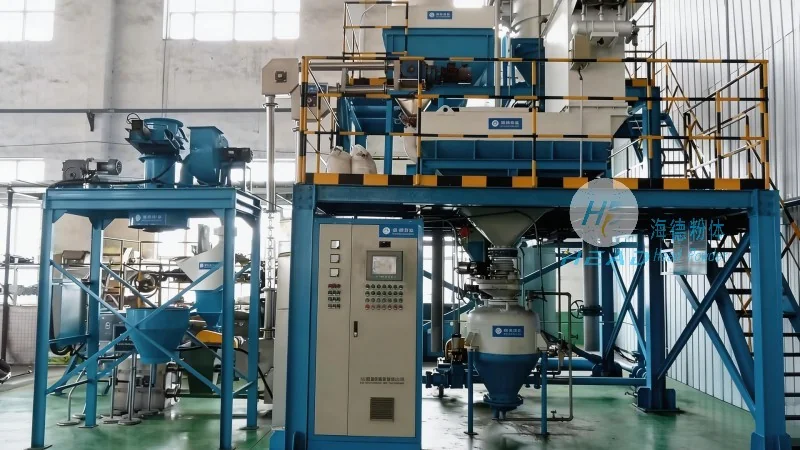
About Shandong HeadPowder Engineering Co., Ltd.
Shandong HeadPowder Engineering Co., Ltd., operating under the brand name HeadPowder, specializes in the design, manufacturing, and installation of advanced material handling systems, including pneumatic conveying solutions for lithium-ion battery materials. With a focus on precision engineering and customer-centric solutions, HeadPowder has established itself as a leading provider in the industry. The company’s headquarters is located in Shandong, China, where it leverages local expertise and resources to deliver high-quality products and services. HeadPowder’s team of engineers and technicians brings extensive experience in material handling technology, ensuring that each system is tailored to meet the specific needs of clients. The company adheres to international standards and quality control measures, guaranteeing the reliability and performance of its equipment. By combining innovative design with rigorous testing, HeadPowder delivers systems that enhance productivity, reduce operational costs, and improve overall efficiency in lithium battery manufacturing. The company’s commitment to customer satisfaction and technical excellence has earned it a reputation for delivering solutions that meet the evolving demands of the battery industry.