

Working Principle and Features of a Soybean Protein Powder Pneumatic Conveying System
For industries dealing with soybean protein powder, efficient material handling is crucial to maintain product quality and operational efficiency. Pneumatic conveying systems offer a reliable solution for transporting these fine powders, ensuring minimal degradation and consistent flow. This article explores the working principles and key features of a soybean protein powder pneumatic conveying system, highlighting how such technology can enhance production processes.
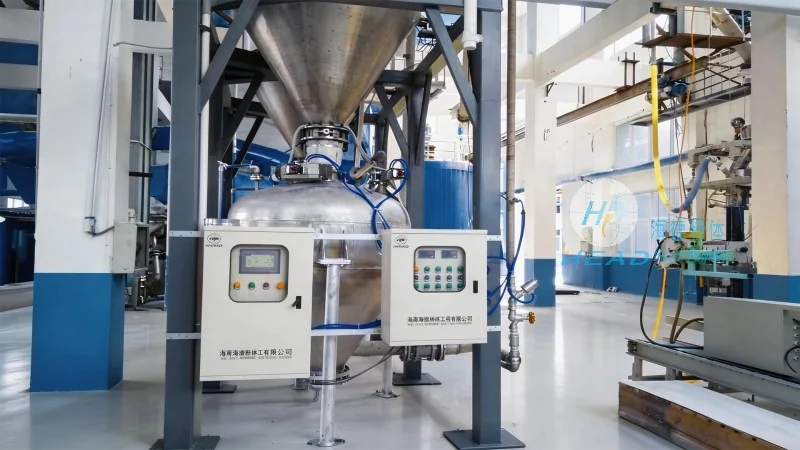
The Working Principle of a Soybean Protein Powder Pneumatic Conveying System
A pneumatic conveying system for soybean protein powder operates by using compressed air to move the powder through a network of pipes. The process typically involves several key components, including a hopper for material storage, a rotary valve or feeder to control the powder flow, and a conveying line that transports the powder to its destination. The system works by creating a pressure differential between the hopper and the discharge point. Compressed air is introduced into the hopper, which lifts the powder particles and propels them through the pipeline. The velocity and pressure of the air are carefully controlled to ensure the powder moves smoothly without causing blockages or degradation. The system may use either positive pressure (air blowing the powder forward) or negative pressure (air sucking the powder), depending on the specific application and system design. In the case of soybean protein powder, positive pressure systems are often preferred as they provide better control over the powder flow and reduce the risk of dust accumulation.
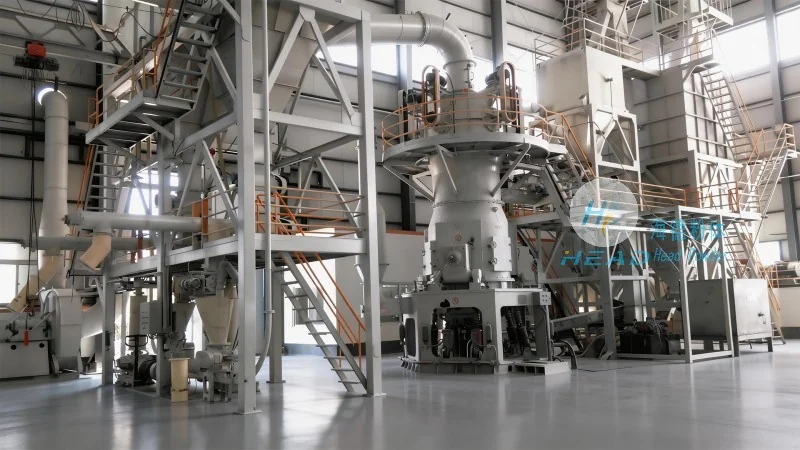
Key Features of a Soybean Protein Powder Pneumatic Conveying System
Several distinct features make pneumatic conveying systems ideal for handling soybean protein powder. First, the system is designed to minimize product contamination and degradation. The enclosed pipeline prevents exposure to air, moisture, and contaminants, preserving the nutritional quality and functional properties of the powder. Second, the system offers high flexibility in terms of layout and integration with existing production lines. It can be easily adapted to different facility configurations, allowing for seamless integration with storage, processing, and packaging equipment. Third, pneumatic conveying systems provide excellent control over the powder flow rate and pressure, enabling precise dosing and consistent delivery to downstream processes. This is particularly important for soybean protein powder, which is often used in precise formulations for food and animal feed applications. Fourth, the system is relatively compact and can be installed in various spaces, including existing facilities with limited room for new equipment. This makes it a practical solution for companies looking to upgrade their material handling capabilities without major structural changes. Additionally, the system is low maintenance, with fewer moving parts compared to traditional mechanical conveyors, reducing downtime and operational costs.
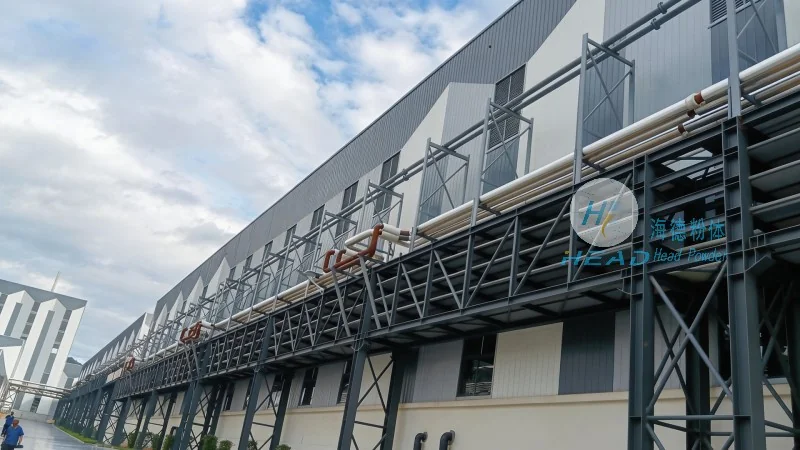
How the System Enhances Production Efficiency
The implementation of a pneumatic conveying system for soybean protein powder significantly improves overall production efficiency. By eliminating the need for manual handling or traditional bulk handling methods, the system reduces labor costs and minimizes the risk of human error. The automated control of powder flow ensures consistent and reliable delivery, which is critical for maintaining product quality and meeting production targets. The system also reduces material waste by minimizing spillage and loss during transport. Furthermore, the enclosed design prevents dust emissions, improving workplace safety and compliance with environmental regulations. For companies like Shandong HeadPowder Engineering Co., Ltd., based in China, such systems are a vital component of modernizing their production processes and staying competitive in the global market.
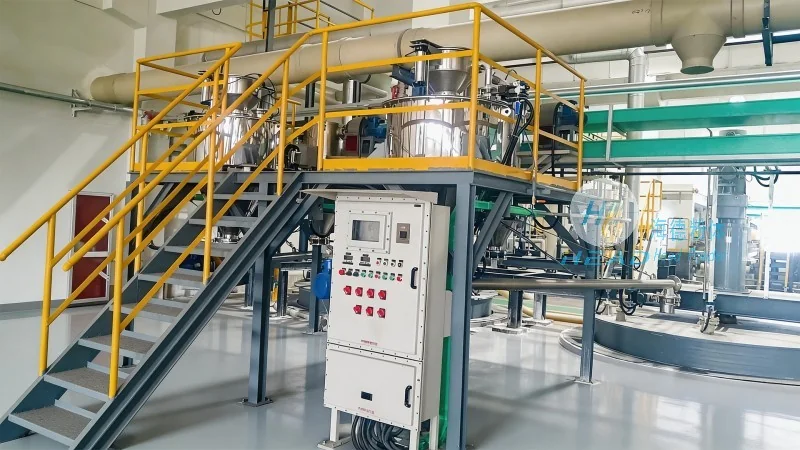
Conclusion and Company Overview
In conclusion, a soybean protein powder pneumatic conveying system is a sophisticated and efficient solution for handling fine powders in industrial applications. Its working principle, based on compressed air and controlled pressure differentials, ensures smooth and reliable transport of the product. The key features, including minimal contamination, high flexibility, precise control, and low maintenance, make it an attractive option for manufacturers. By integrating such technology, companies like Shandong HeadPowder Engineering Co., Ltd. can enhance their operational efficiency, maintain product quality, and meet the demands of modern production. As a leading provider in the field, HeadPowder specializes in designing and manufacturing customized pneumatic conveying systems tailored to the specific needs of soybean protein powder processing facilities, ensuring optimal performance and long-term reliability.