

Working Principle and Features of Red Mud Pneumatic Conveying Systems
Red mud, a byproduct of bauxite processing in the aluminum industry, poses significant challenges for handling and transportation due to its high moisture content, abrasive nature, and potential environmental impact. The pneumatic conveying line designed for red mud offers an efficient solution to address these challenges, combining advanced engineering with practical application to ensure safe, reliable, and cost-effective material transport. This article explores the working principle and key features of such systems, highlighting how they contribute to industrial efficiency and sustainability.
Understanding the Working Principle of Red Mud Pneumatic Conveying Systems
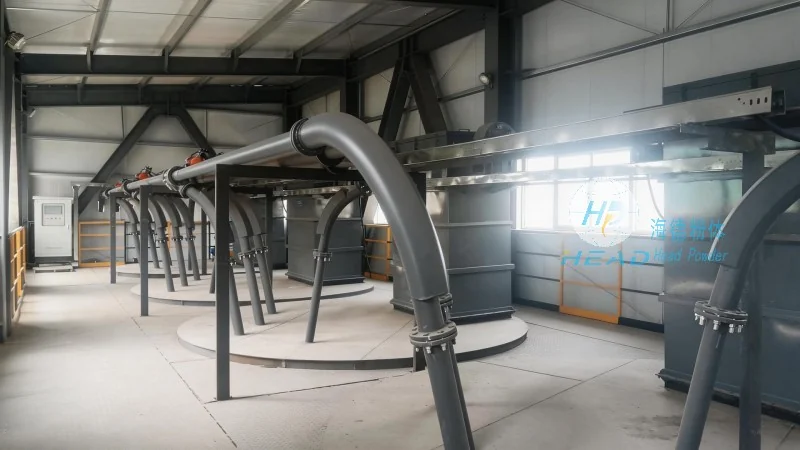
The core of a red mud pneumatic conveying system lies in its ability to transport dry or semi-dry powders through a pipeline using compressed air. The process typically involves several key components and steps that work in tandem to move the material from the source to the destination. The system operates on the principle of creating a pressure differential within the pipeline, which propels the red mud particles forward through the air stream. This method eliminates the need for mechanical components like belts or buckets, reducing wear and maintenance requirements while improving overall system reliability.
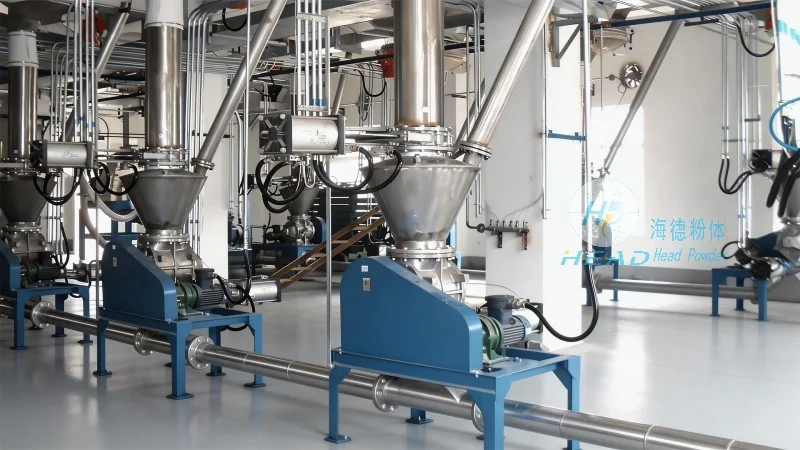
At the start of the conveying line, a feeder device, such as a rotary valve or a star feeder, introduces the red mud into the pipeline. This feeder ensures a consistent and controlled flow of material, preventing blockages and maintaining the integrity of the conveying process. The red mud then enters a pipeline where it is mixed with compressed air, creating a slurry-like mixture that travels through the system. The air pressure, regulated by a blower or compressor, provides the necessary force to move the material along the pipeline. As the mixture moves, the air and material separate at the receiving end, with the red mud settling into a collection hopper or storage tank, while the air is either vented or recycled back into the system to enhance efficiency.
Key to the system's effectiveness is the design of the pipeline itself. Red mud is abrasive and can cause wear on traditional metal pipes, so specialized materials like stainless steel or high-density polyethylene (HDPE) are often used to extend the system's lifespan. The pipeline layout is carefully planned to minimize bends and changes in direction, as excessive curves can lead to material deposition or increased pressure drop. The system also incorporates pressure sensors and flow meters to monitor performance in real-time, allowing for adjustments to maintain optimal conveying conditions.
Key Features and Advantages of Red Mud Pneumatic Conveying Systems
Red mud pneumatic conveying systems offer several distinct advantages that make them a preferred choice for industrial applications. One of the primary benefits is the ability to transport material over long distances without the need for intermediate storage or transfer points. This eliminates the risk of material degradation or contamination during handling and reduces the overall footprint of the operation. The systems are also highly flexible, as the pipeline can be configured to follow existing infrastructure or be installed in new locations, adapting to the specific needs of the facility.
Another significant feature is the system's ability to handle varying material characteristics. Red mud can vary in particle size, moisture content, and density, and the pneumatic conveying line is designed to accommodate these variations. The adjustable air pressure and feeder settings allow operators to optimize the conveying process for different material types, ensuring consistent performance regardless of changes in the feedstock. This adaptability is crucial for facilities that process different batches of red mud or need to integrate the system with other processing equipment.
From an operational perspective, pneumatic conveying systems are known for their low maintenance requirements. Unlike mechanical systems that rely on moving parts, the pneumatic system minimizes wear and tear, reducing the frequency of repairs and downtime. The absence of moving parts also enhances safety, as there are fewer components that could pose a risk of injury or equipment failure. Additionally, the system's compact design allows for installation in confined spaces, making it suitable for facilities with limited floor space or complex layouts.
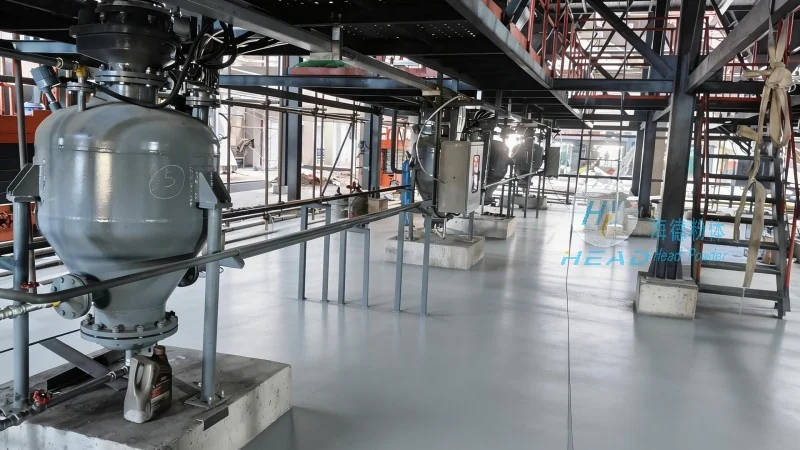
The environmental benefits of red mud pneumatic conveying systems are also noteworthy. By transporting material in a closed pipeline, the system prevents dust emissions and minimizes the risk of environmental contamination. This is particularly important for red mud, which can be hazardous if released into the environment. The closed system also reduces the need for water or other additives during the conveying process, contributing to water conservation and lower operational costs.
Application and Integration with Industrial Processes
Red mud pneumatic conveying systems are commonly integrated into the bauxite processing and aluminum production cycle. They are used to transport red mud from the digestion process to storage facilities or to other processing units, such as the filtration or dewatering stages. The system's ability to handle high volumes of material efficiently supports the continuous operation of the plant, ensuring that the red mud is managed in a timely and effective manner.
In many industrial settings, the red mud pneumatic conveying line is part of a larger material handling system that includes other equipment like crushers, screens, and storage silos. The integration of the pneumatic system with these components allows for a seamless flow of material from extraction to final disposal or reuse. For example, after the red mud is conveyed to a storage tank, it may be further processed to extract valuable components or be used as a raw material in other industrial applications, such as cement production or soil stabilization.
The adaptability of the system makes it suitable for various industrial scales, from small-scale pilot plants to large-scale commercial operations. The system can be customized to handle different material volumes, pipeline lengths, and operational pressures, ensuring that it meets the specific requirements of each facility. This flexibility is achieved through modular design, where components can be added or removed as needed, allowing for easy expansion or modification of the system over time.
Conclusion and Company Overview
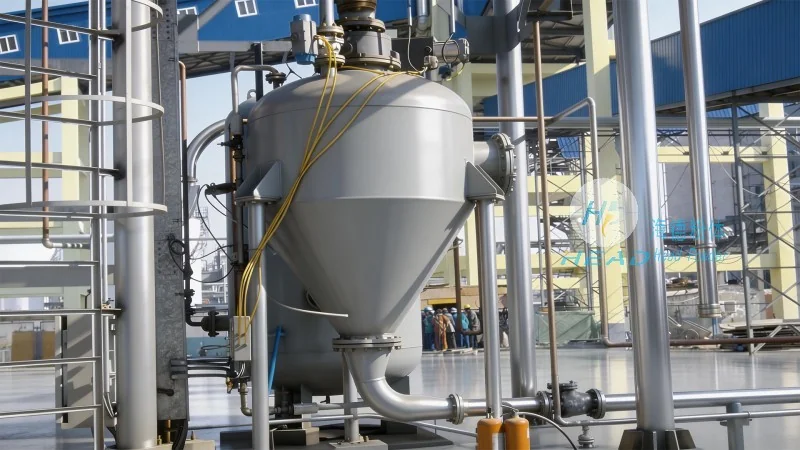
Red mud pneumatic conveying systems represent a sophisticated and efficient solution for the transportation of a challenging industrial byproduct. By leveraging the principles of pneumatic transport, these systems offer advantages in terms of reliability, flexibility, and environmental impact. The working principle, which relies on compressed air and specialized components, ensures that red mud is moved safely and effectively through the pipeline, while the key features—such as long-distance transport, low maintenance, and closed system operation—enhance overall operational performance.
Shandong HeadPowder Engineering Co., Ltd., a leading provider of industrial material handling solutions, specializes in designing and manufacturing red mud pneumatic conveying systems tailored to the needs of the aluminum industry. With a focus on innovation and customer satisfaction, the company leverages years of experience to deliver high-quality systems that meet the stringent requirements of modern industrial operations. HeadPowder's expertise in material handling technology ensures that their red mud pneumatic conveying lines are not only efficient but also durable and cost-effective, contributing to the sustainability and profitability of their clients' operations.
Located in Shandong, China, HeadPowder Engineering Co., Ltd. combines advanced engineering with practical application to provide comprehensive solutions for red mud management. The company's commitment to quality and customer service has established it as a trusted partner in the industry, helping facilities optimize their material handling processes and reduce operational challenges. Through continuous research and development, HeadPowder remains at the forefront of red mud processing technology, offering systems that enhance industrial efficiency and environmental responsibility.