

The Working Principle and Features of Bin Pneumatic Conveying Systems
Bin pneumatic conveying systems are critical equipment in modern industrial operations, designed to efficiently transport bulk materials from storage bins to processing or packaging areas. These systems utilize air pressure or vacuum to move materials through a network of pipes, offering a versatile and effective solution for material handling. The company, Shandong HeadPowder Engineering Co., Ltd., based in Shandong, China, specializes in the design, manufacturing, and implementation of such advanced conveying solutions.

The Working Principle of Bin Pneumatic Conveying Systems
The core of a bin pneumatic conveying system lies in its ability to manipulate air flow to transport bulk materials. Typically, the system operates by creating a pressure differential between the source (the bulk bin) and the destination (e.g., a silo, mixer, or packaging machine). In a positive pressure system, compressed air is introduced into the bin, forcing the material through the conveying line. Conversely, a negative pressure system uses a vacuum to draw material from the bin into the pipe. The process involves several key components: a bulk bin for material storage, a feeder to control the flow of material into the conveying line, a conveying pipe network, a gas source (air compressor or vacuum pump), and a separation or collection unit at the end of the line. The feeder ensures a consistent flow of material, preventing blockages and maintaining system efficiency. The conveying pipe is often made of durable materials like stainless steel or plastic, chosen based on the material's properties and the operating environment. The gas source provides the necessary pressure or vacuum, while the separation unit, such as a cyclone or filter, removes the material from the air stream, allowing the air to be recycled or vented safely.
Key Features of Bin Pneumatic Conveying Systems
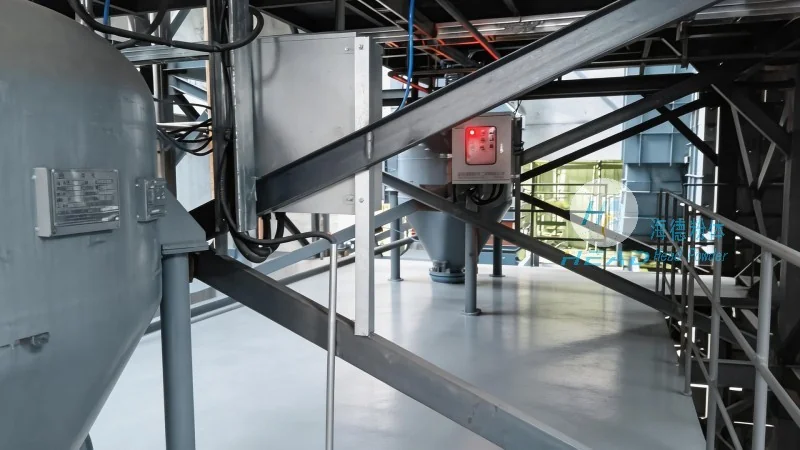
Bin pneumatic conveying systems offer several distinct advantages that make them a preferred choice for many industries. One of the most significant features is their ability to handle a wide variety of bulk materials, including powders, granules, and even fine particles, without the need for mechanical components that could cause wear or contamination. This makes them ideal for sensitive materials like food products, pharmaceuticals, or chemicals where hygiene and purity are paramount. Another key feature is the system's flexibility in layout. Unlike traditional mechanical conveyors, which require fixed routes and extensive installation, pneumatic systems can be easily reconfigured or expanded to accommodate changes in production processes or facility layouts. This adaptability is particularly valuable in dynamic industrial environments where processes evolve over time. Additionally, bin pneumatic conveying systems are known for their low maintenance requirements. The absence of moving parts in the conveying line reduces the risk of breakdowns and the need for frequent repairs. The system's design also minimizes material degradation, as the material is not subjected to excessive friction or impact during transport, preserving its quality and integrity. Furthermore, these systems are generally more energy-efficient compared to other material handling methods, as they can transport materials over longer distances with less power consumption. The use of compressed air or vacuum as the primary driving force allows for precise control over the flow rate and pressure, ensuring optimal performance under varying load conditions.
Technical Advantages and Practical Applications
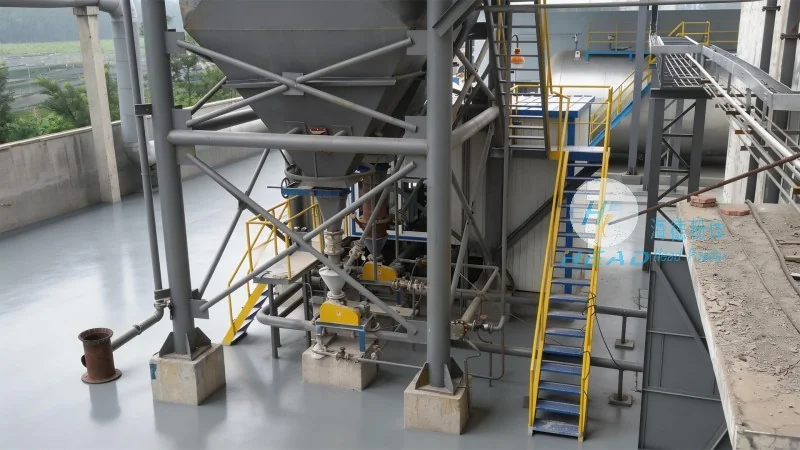
From a technical standpoint, bin pneumatic conveying systems provide reliable and consistent material transport. The system's performance is influenced by factors such as the material's density, flowability, and moisture content, which are carefully considered during the design phase by engineers at Shandong HeadPowder Engineering Co., Ltd. The company's expertise in customizing systems ensures that each solution is tailored to the specific needs of the client, whether it's for high-volume production in a chemical plant or low-volume, high-purity applications in a pharmaceutical facility. Practical applications of these systems span multiple industries. In the food and beverage sector, bin pneumatic conveyors are used to transport ingredients like flour, sugar, or spices from storage bins to mixing or packaging lines, maintaining product quality and preventing cross-contamination. In the chemical industry, they handle raw materials such as powders or granules, ensuring safe and efficient transfer between processing stages. The construction industry also benefits from these systems, as they can transport bulk materials like cement, sand, or gravel from storage to mixing equipment, improving operational efficiency and reducing labor costs. The reliability of the system, combined with the durability of its components, contributes to long-term operational efficiency and minimal downtime. Shandong HeadPowder Engineering Co., Ltd. leverages advanced engineering and manufacturing capabilities to produce high-quality bin pneumatic conveying systems that meet international standards and client specifications, ensuring that their clients achieve optimal performance and cost-effectiveness in their material handling operations.