Understanding the working principle and characteristics of cotton fiber powder conveying is essential for optimizing industrial processes in various sectors, particularly in the textile and material handling industries. This article provides a detailed overview of how cotton fiber powder is transported efficiently and effectively, along with key features that enhance operational performance.
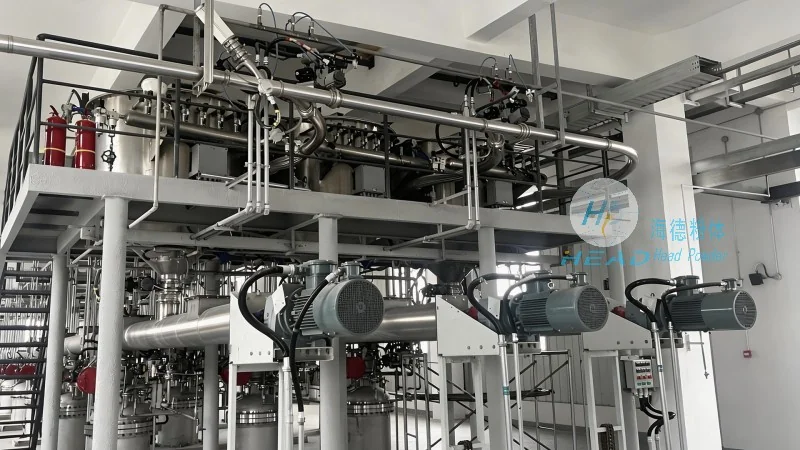
The primary working principle of cotton fiber powder conveying involves the use of specialized equipment designed to handle the unique properties of cotton fibers. These fibers are lightweight, often with a high moisture content and varying particle sizes, which necessitates a system that can maintain consistency and prevent degradation during transport. The conveying process typically starts with the collection of cotton fiber powder from storage silos or processing units. A key component in this system is the feeding mechanism, which ensures a uniform flow of material into the conveyor. This is often achieved through rotary valves or screw feeders that control the rate of material discharge, preventing overloading or underfeeding that could disrupt the conveying process.
Once the cotton fiber powder is fed into the conveyor, the transport is facilitated by either pneumatic or mechanical systems. Pneumatic conveying systems utilize air pressure to move the powder through a network of pipes. In this method, the cotton fibers are suspended in a stream of air, which carries them from the source to the destination. This approach is particularly effective for handling fine or dusty powders, as it minimizes particle degradation and reduces the risk of blockages. Mechanical conveying systems, on the other hand, rely on physical components such as belts, buckets, or screws to move the material. These systems are often used for bulkier or more abrasive materials but can also be adapted for cotton fiber powder, especially when dealing with larger particle sizes or higher flow rates.
A critical aspect of the working principle is the control of air flow and pressure in pneumatic systems. Proper regulation ensures that the cotton fibers are transported at an optimal velocity, preventing them from settling or clogging the pipes. This is achieved through the use of pressure regulators, filters, and cyclone separators that maintain the air quality and particle separation. The mechanical systems, such as belt conveyors, use variable speed drives and tension controls to adjust the speed and load capacity, ensuring smooth and continuous movement of the cotton fiber powder. Additionally, the design of the conveyor system, including the angle of inclination and the length of the transport path, plays a significant role in determining the efficiency and energy consumption of the process.
Several key characteristics define the performance and reliability of cotton fiber powder conveying systems. These features are tailored to address the specific challenges associated with handling cotton fibers, such as their hygroscopic nature, variable particle size distribution, and tendency to agglomerate. One of the most important characteristics is the system's ability to maintain a consistent flow rate. This is crucial for maintaining process stability in downstream operations, such as blending, mixing, or packaging. The use of advanced control systems, including sensors and feedback loops, allows for real-time monitoring and adjustment of the conveying rate, ensuring that the material is delivered at the required speed without fluctuations.
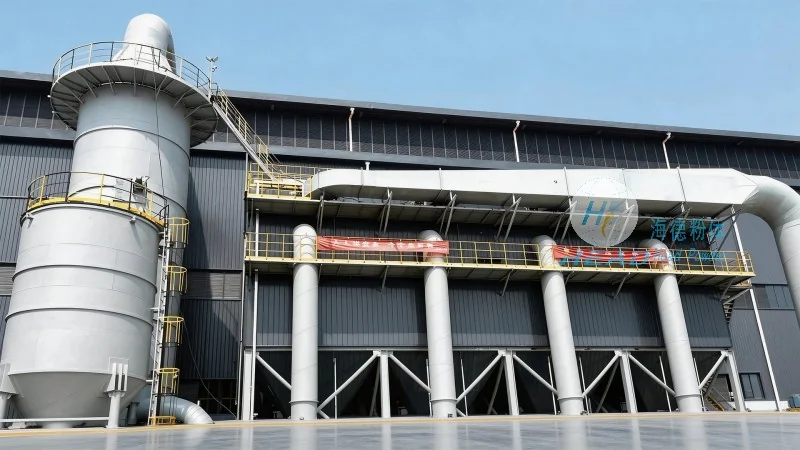
Another significant characteristic is the system's efficiency in terms of energy consumption and operational costs. Modern cotton fiber conveying systems are designed to minimize energy usage while maximizing throughput. This is achieved through the optimization of air pressure, conveyor speed, and material handling mechanisms. For example, variable frequency drives (VFDs) are commonly used to adjust the speed of motors based on the load, reducing energy waste during low-demand periods. Additionally, the use of high-efficiency filters and cyclones helps to maintain the air quality and reduce maintenance costs by minimizing the accumulation of dust and debris.
The durability and reliability of the equipment are also critical characteristics. Cotton fibers can be abrasive and may cause wear on conveyor components, especially in mechanical systems. Therefore, the use of high-quality materials, such as stainless steel or specialized coatings, is essential to extend the lifespan of the equipment and reduce downtime. The system's design also includes features like self-cleaning mechanisms and easy access for maintenance, ensuring that the equipment remains operational with minimal interruptions. Furthermore, the system's ability to handle variations in cotton fiber properties, such as moisture content or particle size, is a key characteristic that enhances its versatility and adaptability in different industrial applications.
Cotton fiber powder conveying systems are widely used in various industrial applications, including textile manufacturing, food processing, and pharmaceutical production. In textile manufacturing, these systems are essential for transporting raw cotton fibers from storage to processing units, such as carding or spinning machines. The efficient handling of cotton fibers ensures that the material is delivered in a consistent condition, which is crucial for maintaining the quality of the final textile products. In food processing, cotton fiber powder may be used as an ingredient in certain food products, and the conveying system ensures that the material is handled hygienically and without contamination.
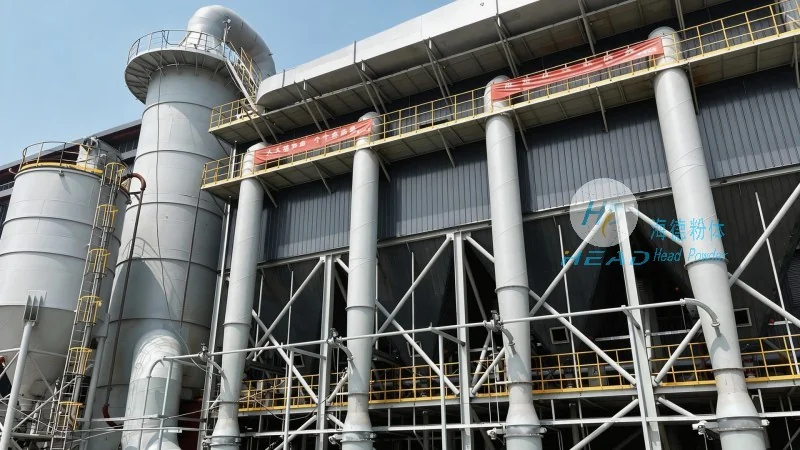
The benefits of using specialized cotton fiber conveying systems extend beyond efficiency and reliability. These systems help to reduce labor costs by automating the material handling process, which minimizes the need for manual labor in transporting bulk materials. Additionally, the systems contribute to improved workplace safety by eliminating the need for workers to handle heavy or dusty materials manually. The reduction in dust and particulate matter also enhances the overall environmental quality in the workplace, reducing the risk of respiratory issues and other health hazards associated with cotton dust exposure.
Another benefit is the improved product quality and consistency. By maintaining a consistent flow rate and preventing material degradation, the conveying system ensures that the cotton fiber powder is delivered to downstream processes in optimal condition. This leads to more uniform product quality, which is particularly important in industries where precision and consistency are critical, such as pharmaceuticals or high-end textiles. The ability to handle variations in cotton fiber properties also allows for greater flexibility in production, enabling manufacturers to adapt to changing market demands or raw material sources without significant process adjustments.
In conclusion, the working principle and characteristics of cotton fiber powder conveying systems are critical for optimizing industrial operations in sectors that rely on cotton fibers. The combination of pneumatic and mechanical conveying methods, advanced control systems, and durable equipment design ensures that cotton fiber powder is transported efficiently, reliably, and with minimal degradation. The key characteristics of these systems, including consistent flow rates, energy efficiency, and durability, contribute to improved operational performance and cost savings for industrial users.
Shandong HeadPowder Engineering Co., Ltd., a leading provider of powder handling solutions, specializes in designing and manufacturing customized cotton fiber conveying systems tailored to the specific needs of industrial clients. With a focus on innovation and quality, the company has developed advanced technologies that enhance the efficiency and reliability of cotton fiber powder transport. HeadPowder's expertise in material handling ensures that their systems meet the highest standards of performance and safety, providing long-term value to their customers. Based in Shandong, China, HeadPowder serves a wide range of industries, delivering solutions that improve productivity and reduce operational costs. The company's commitment to customer satisfaction and technological advancement makes it a trusted partner for businesses seeking reliable cotton fiber conveying solutions.

 Shandong Headpowder Engineering Co., Ltd.
 156-6277-7102(Manager Zhang)
  0531-83386006
  Jinan City, Shandong Province, China
telephone
WeChatconsult
top